
Active AERO
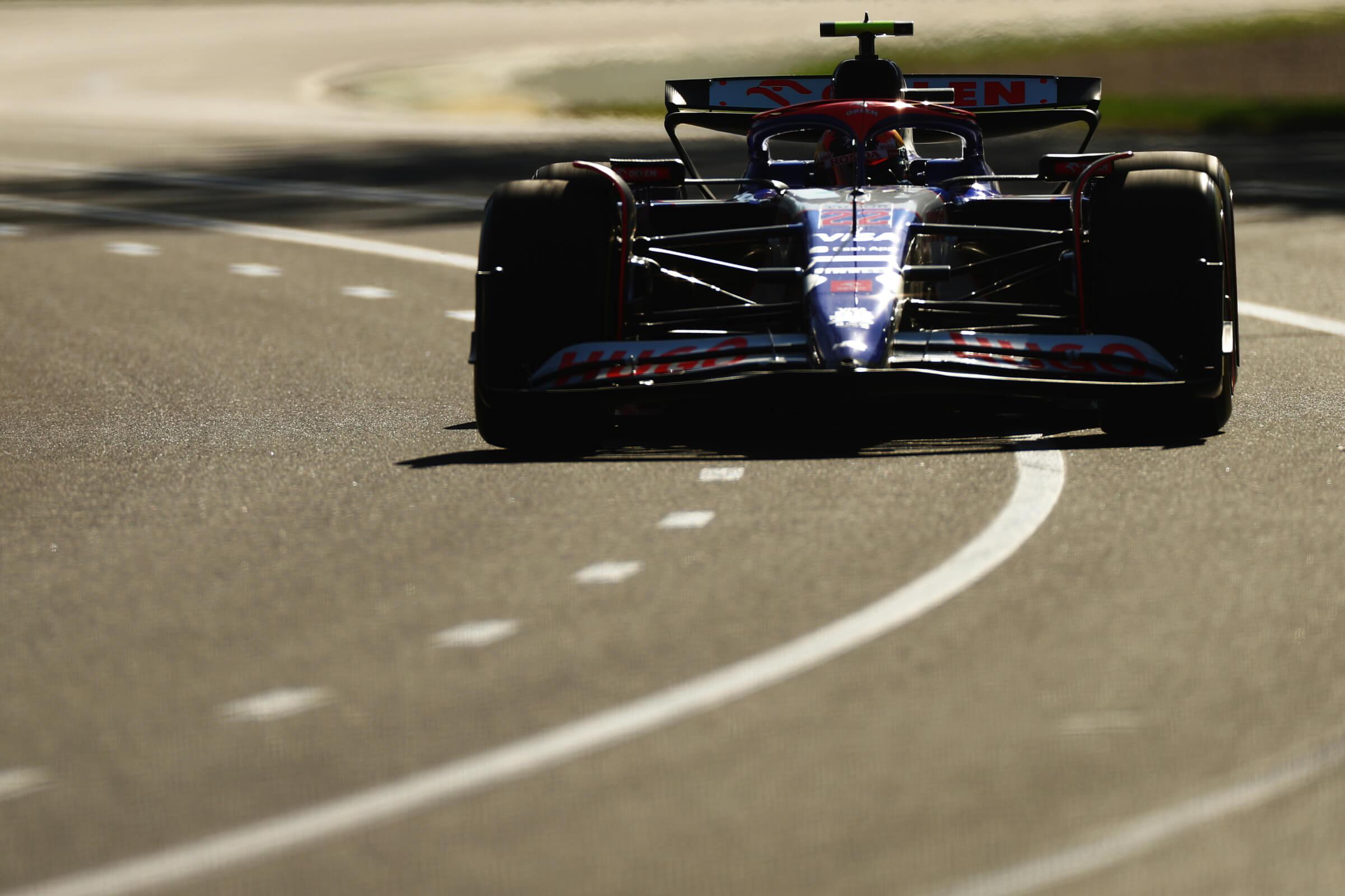
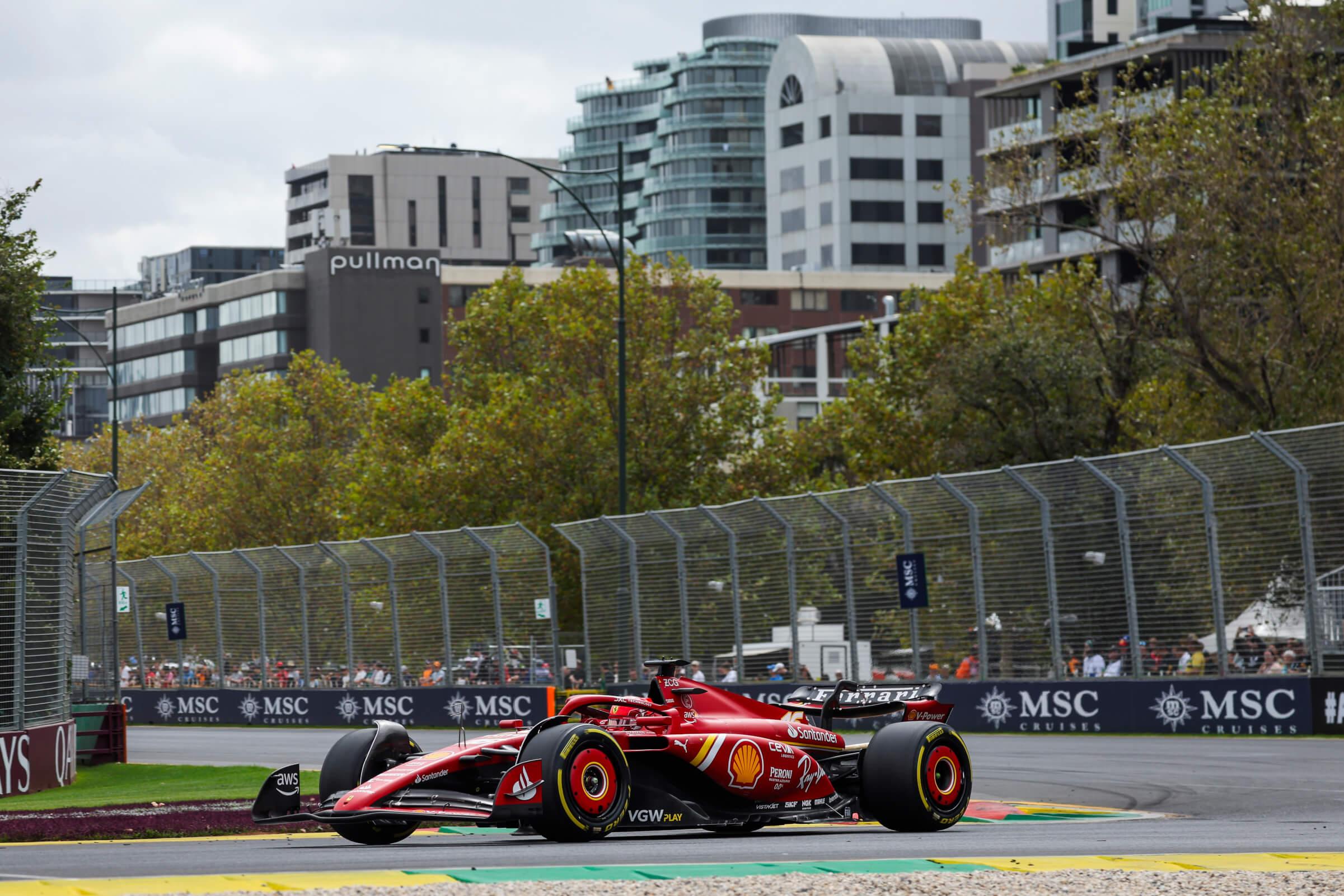
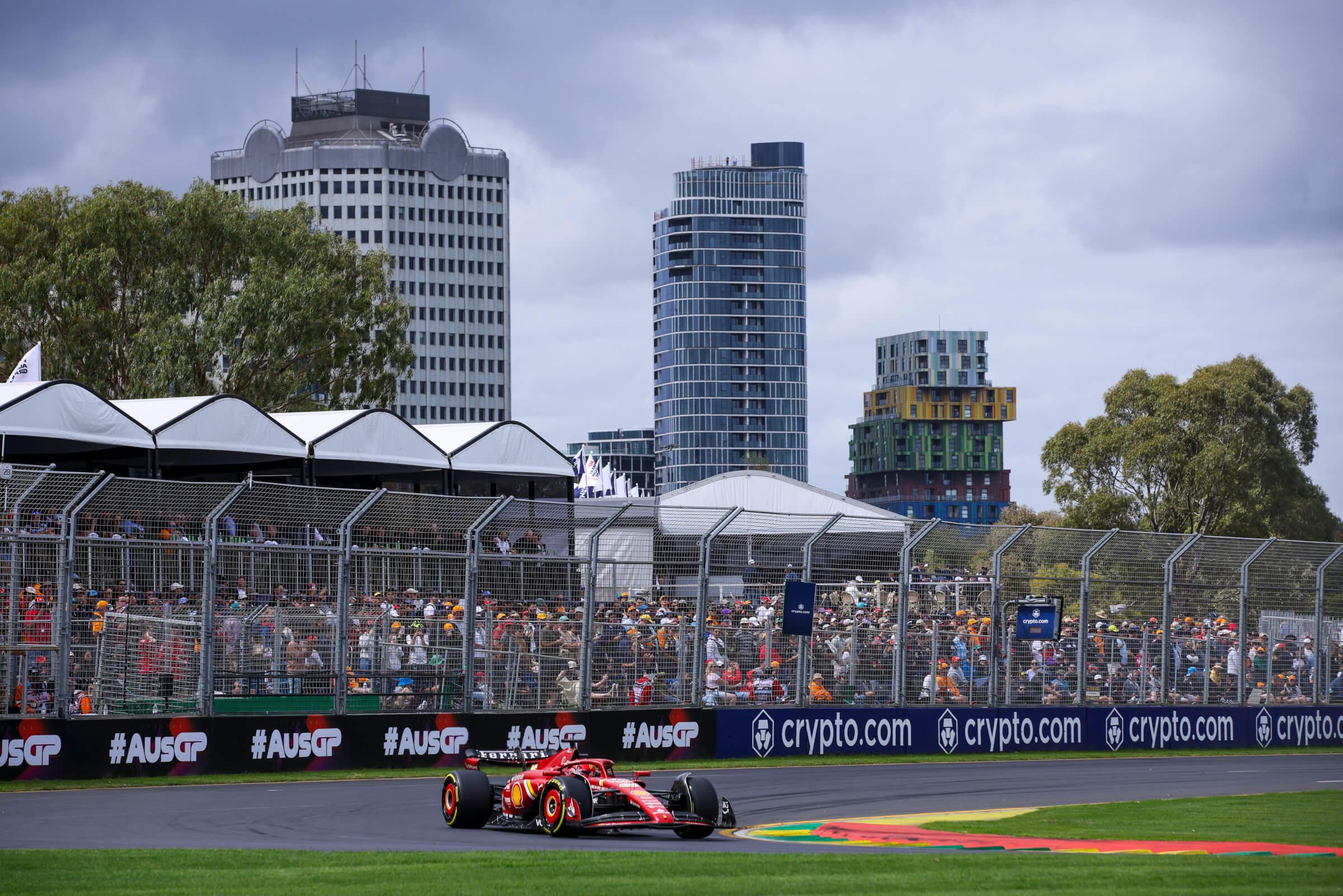
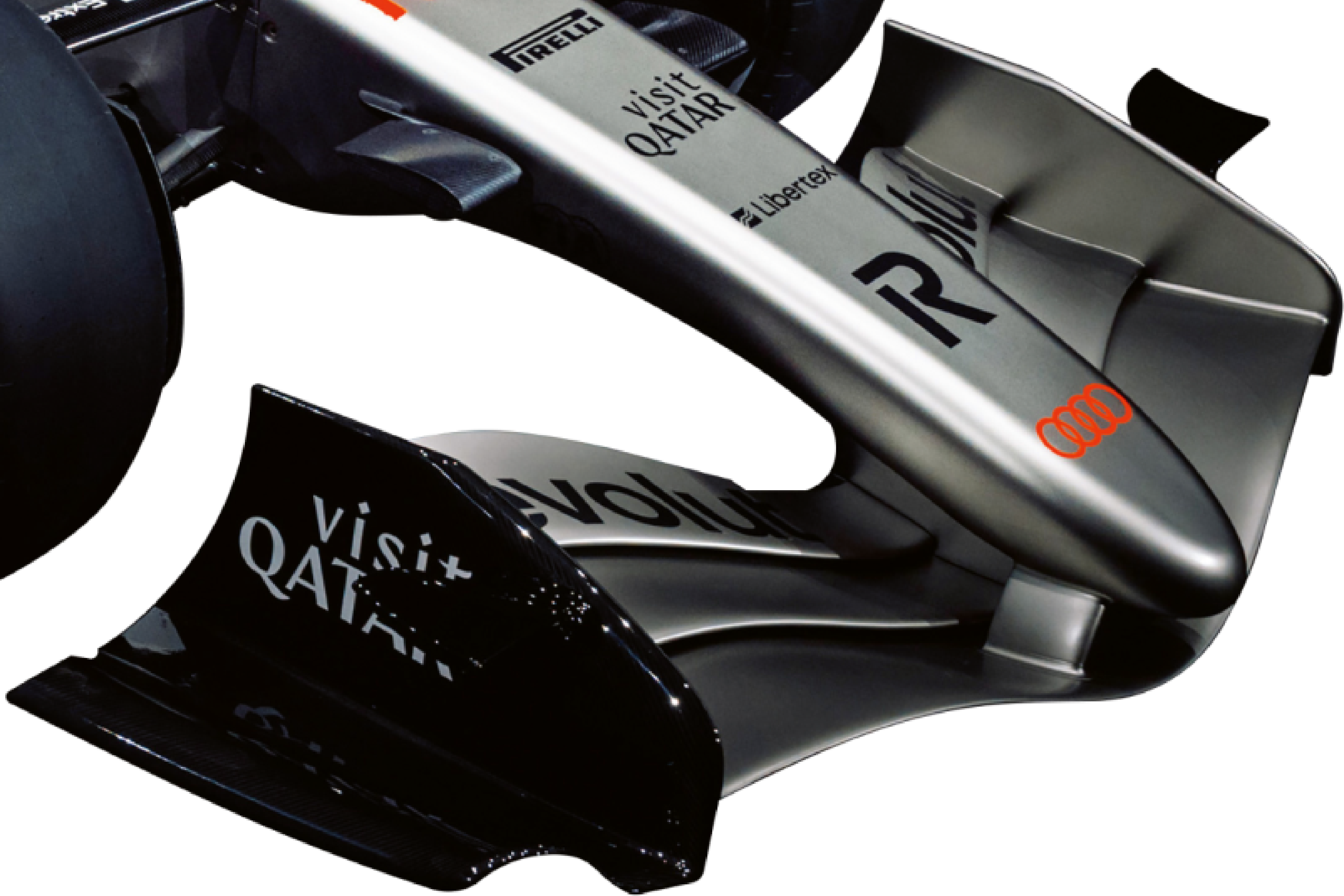
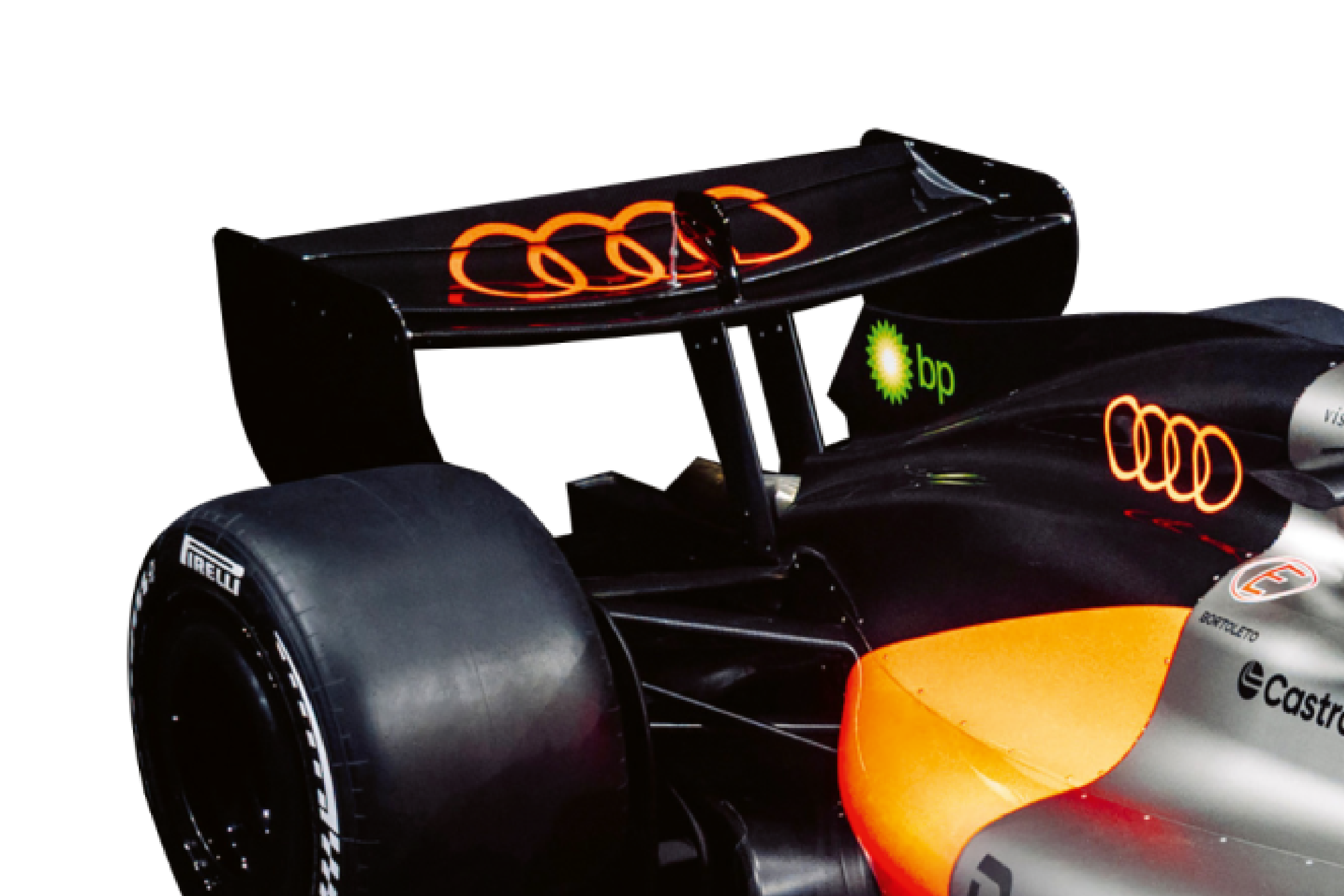
Replacing DRS, drivers can adjust the angle of both front and rear wings throughout the lap – in the corners the flaps stay shut for maximum grip, on the straights driver open the flaps to reduce drag and increase top speed.
Recharge Modes
Drivers and engineers will oversee their battery recharge, selecting from different modes from braking and engine energy to charge.
1.
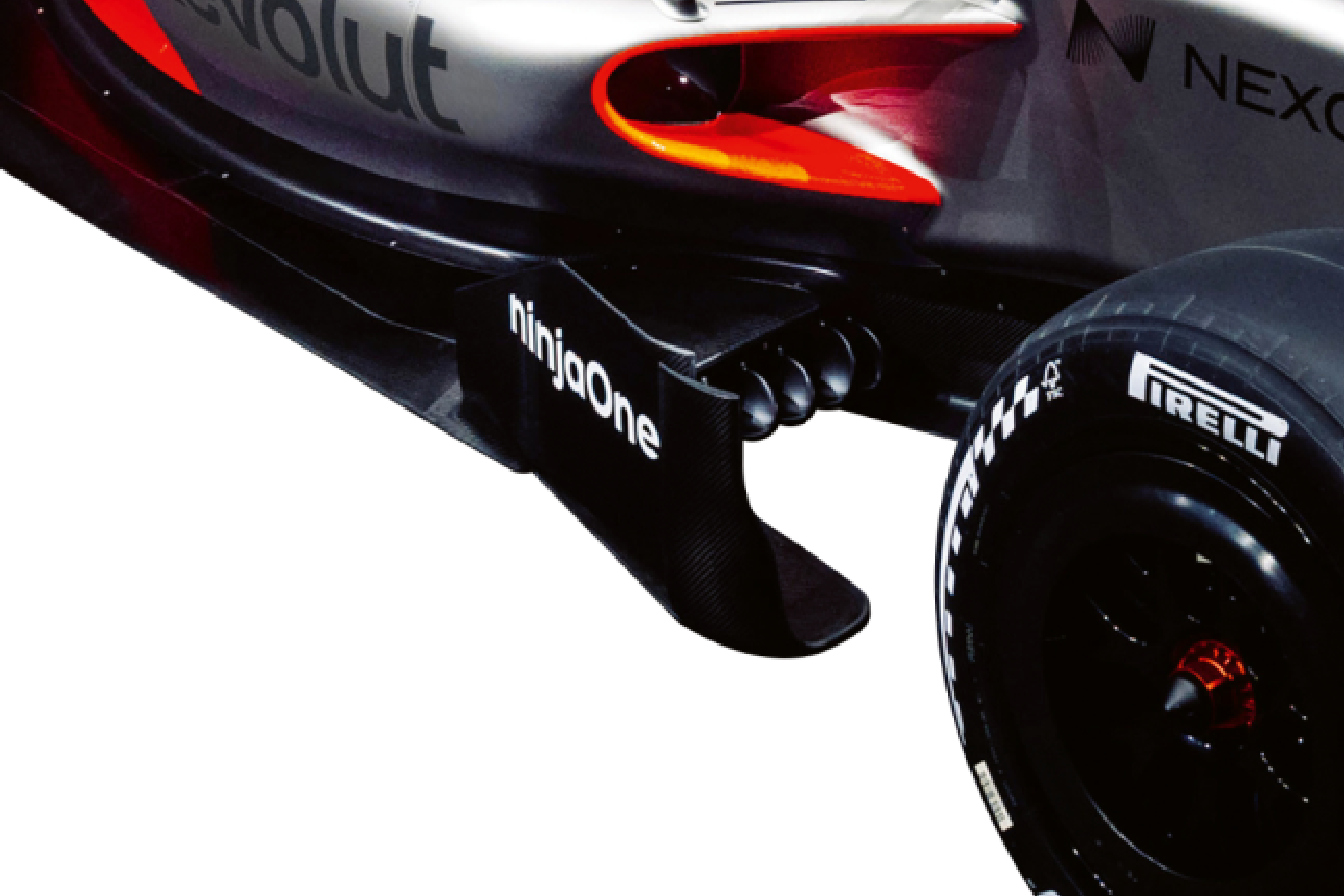
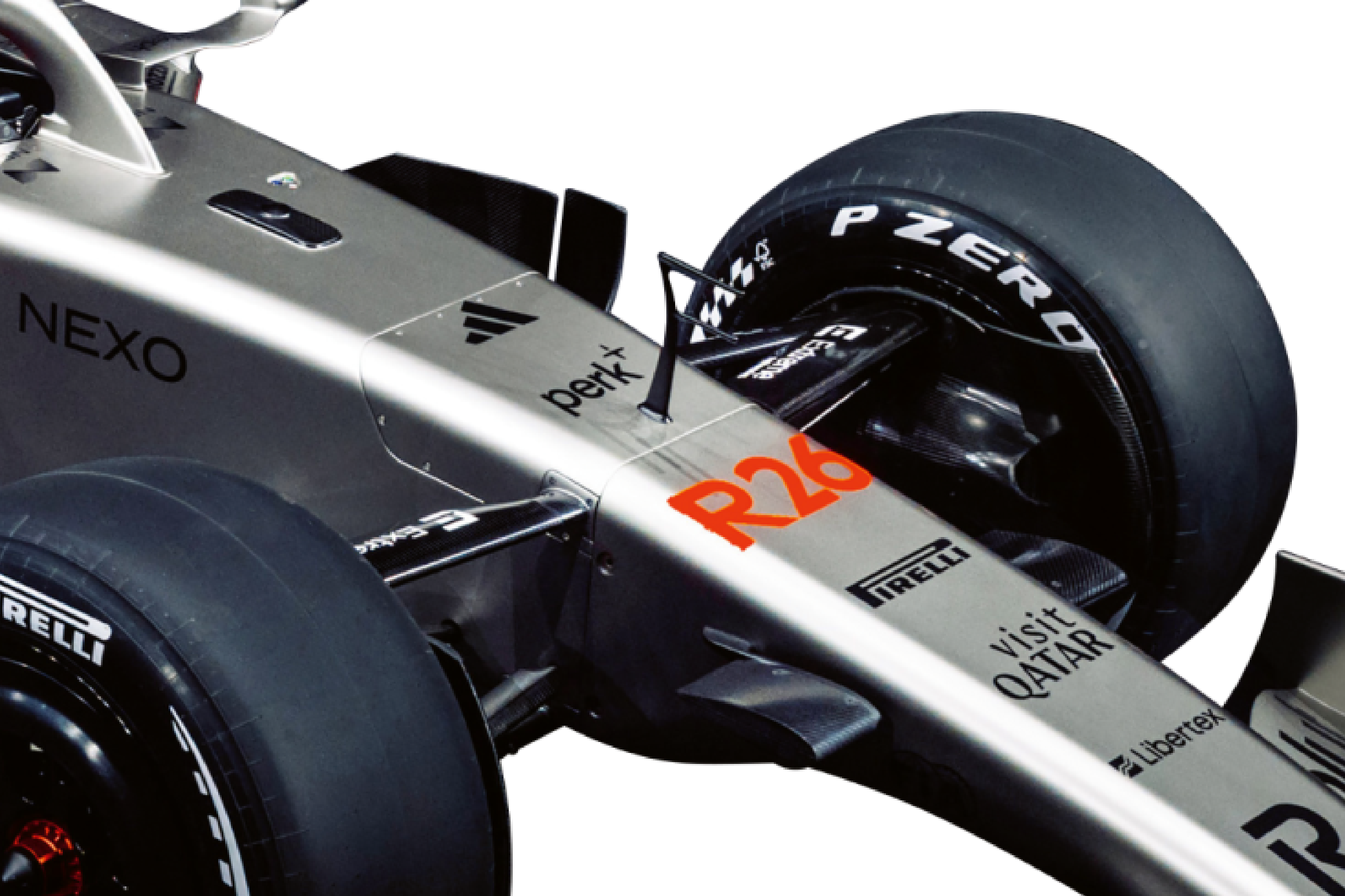
Front wheel arches have been removed to reduce weight.
ADVANCED SUSTAINABLE FUELS
Formula 1 power units will be running Advanced Sustainable Fuels following trials in F2 and F3.
2.
Narrower front wing elements, with more creative freedom on the outer sections of the wing.
Overtake mode
When drivers are within one second of the car in front, they can activate Overtake Mode to access extra electrical energy which they can deploy to apply pressure or overtake the driver ahead.
3.
Simpler, cleaner floors in a shift away from the ground-effect tunnels of the last regulations.
LESS VISIBLE CARBON FIBER
With a minimum 55% of surface area from the side to be painted / stickered liveries.
4.
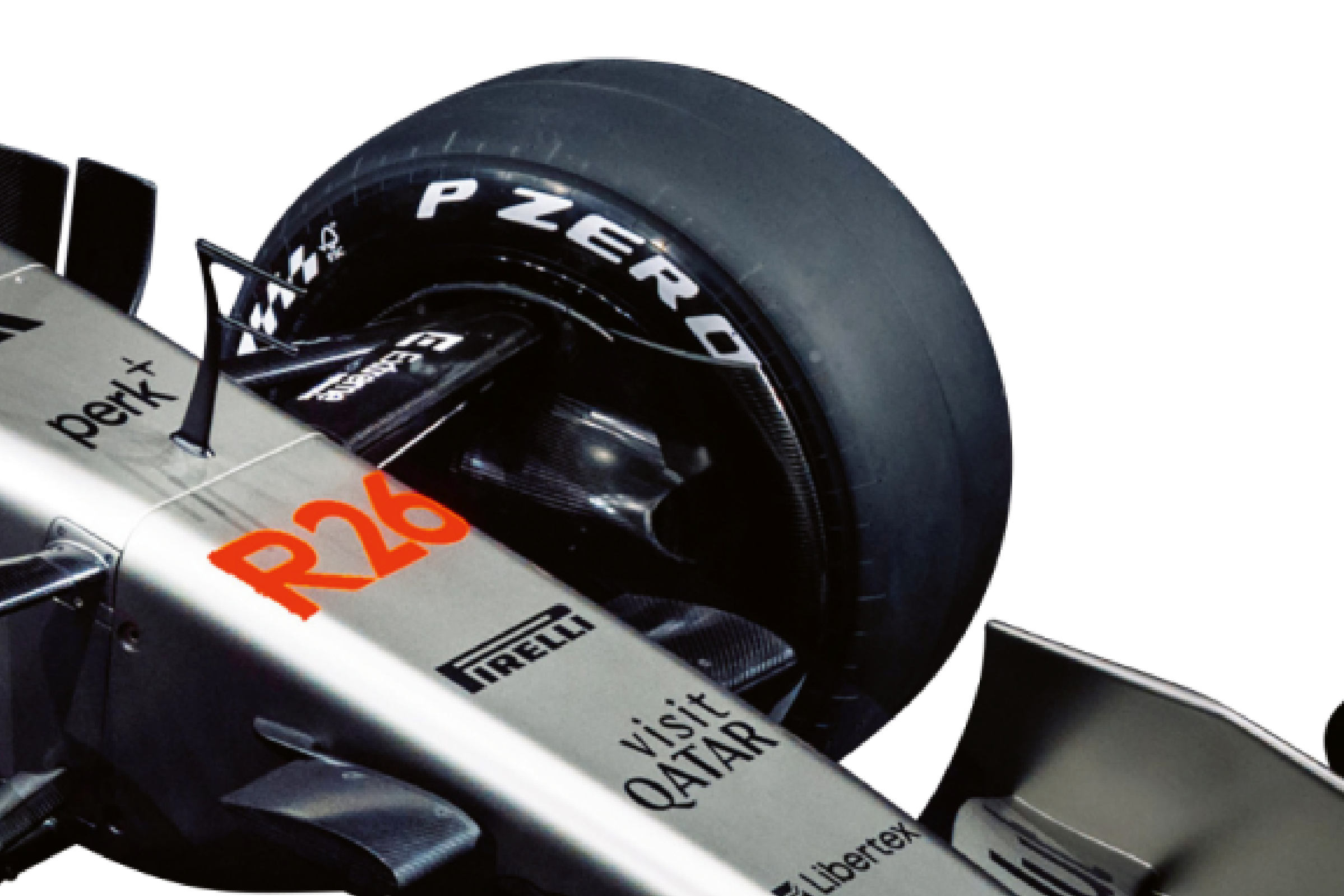
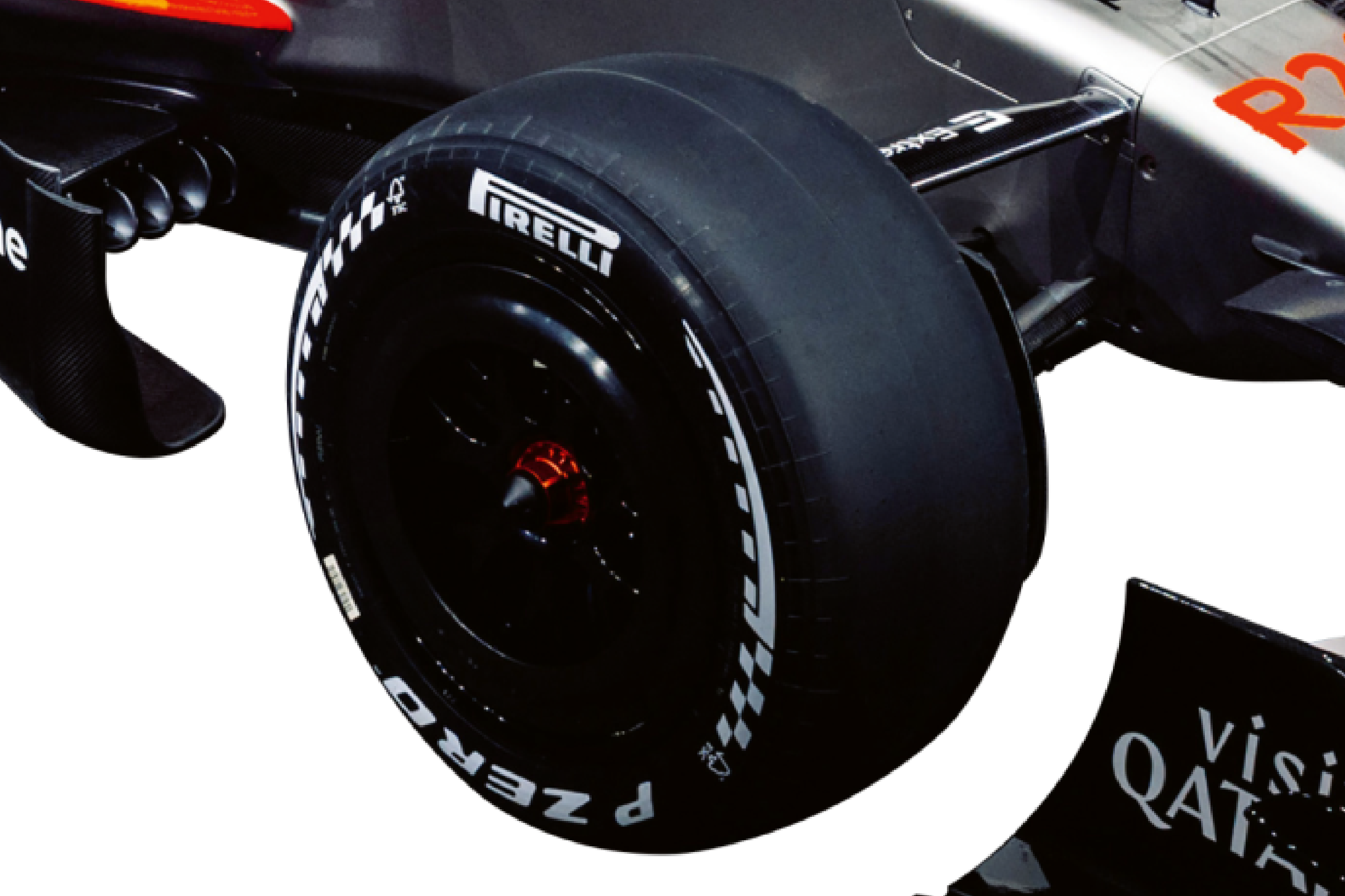
Cars still fitted with 18-in Pirelli tyres, but they are narrower than previously reducing weight and drag.
NEW POWER UNIT REGULATIONS
The power unit itself is the same 1.6L V6 turbo hybrid as 2025, however the makeup of the power has shifted to roughly 50/50 power split between petrol and electric. MGU-H has been removed to help reduce the weight of the cars.
5.
Wings are designed to be simpler with fewer elements such as the removal of the rear beam wing.
BOOST MODE
To help drivers defend from Overtake Mode and to attack others, they can activate maximum power from engine and battery by engaging the Boost button. Drivers can use this all at once or spread across the lap depending on the charge in their battery.
6.
The wheelbase has been shortened.
SMALLER CARS
Cars will be shorter, narrower, lighter and more nimble.