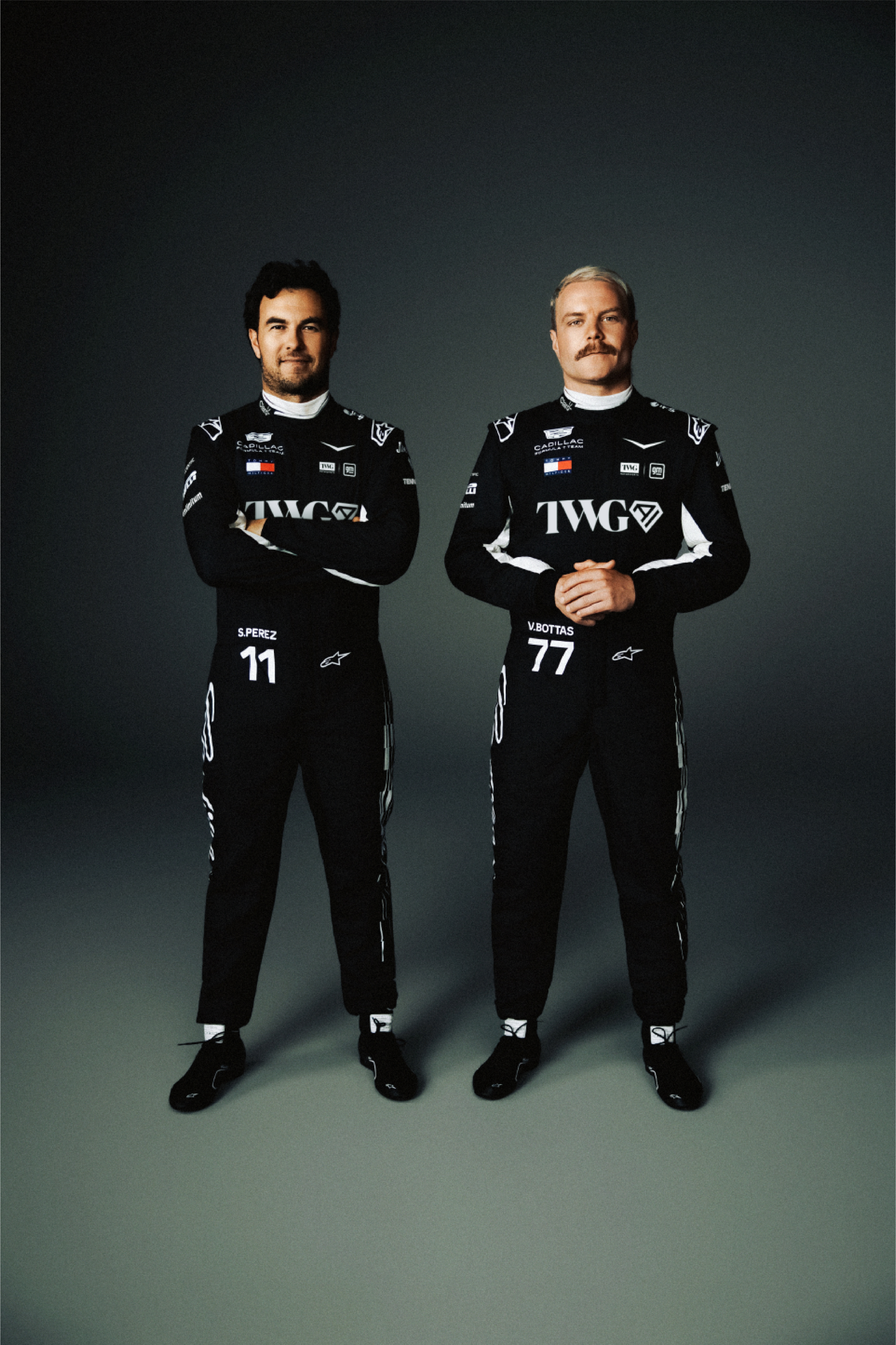

New cars, new engines, new teams – a new world order? The Formula 1 Australian Grand Prix won’t offer an immediate answer, but every team has questions to address as the starting lights go out to begin 2026.
As the first round of a 24-event season that ends in Abu Dhabi in December, Australia will offer us an initial data point from which to evaluate what happens next. Each team, though, has questions that come with change; some obvious, some uncomfortable, some with bigger ramifications than others. The most pressing conundrum for all 11 teams? Here we touch on the stories and challenges ahead, with a sneak preview of the great features in our 2026 Official Race Program,
Words: Matthew Clayton
1. LOOKING OUT FOR NUMBER ONE - LANDO NORRIS
Words: Matthew Clayton
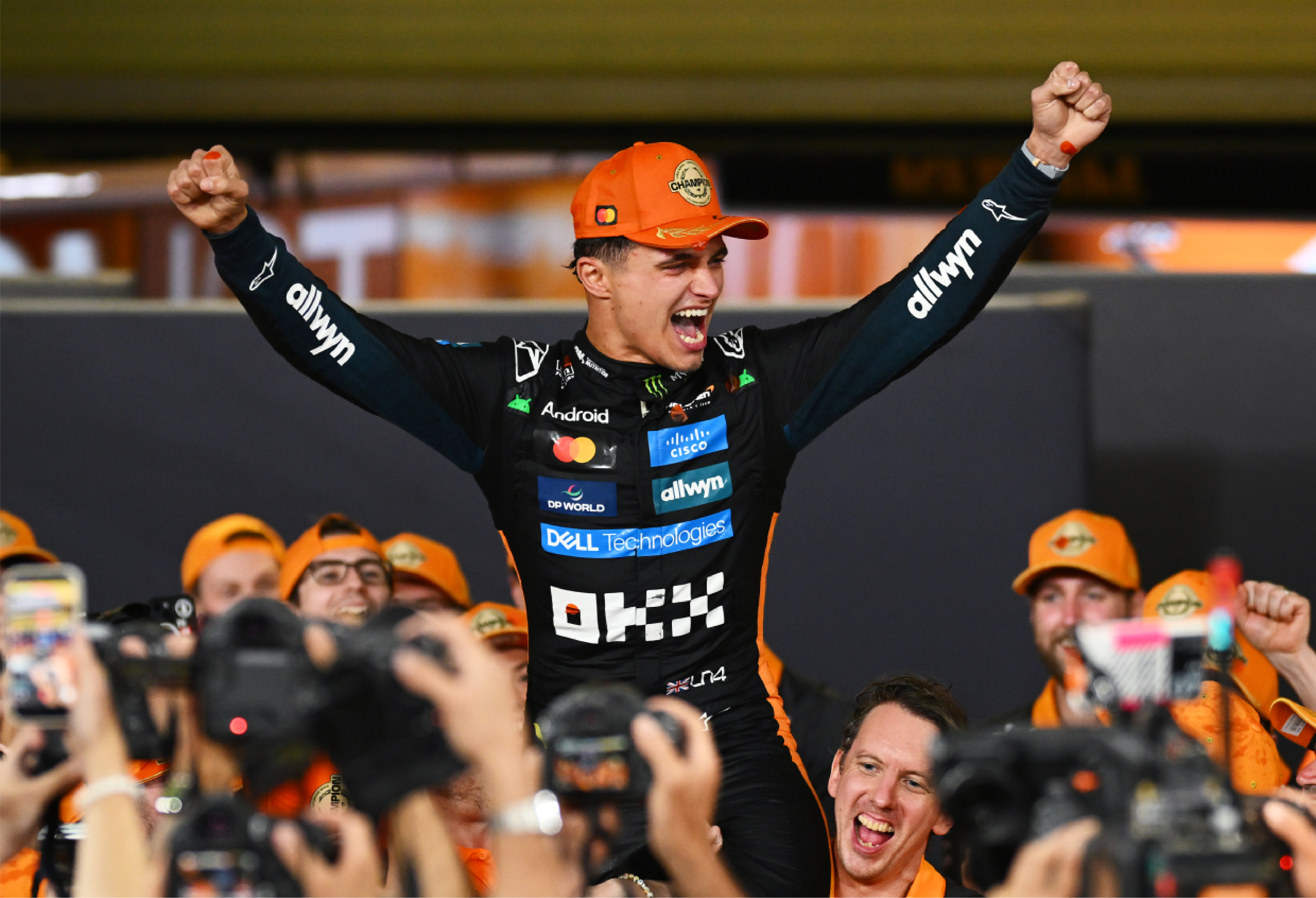
At his most vulnerable moment, Lando Norris doubled down on what makes him the driver – the person – he is. The result? He returns to Melbourne as the reigning World Champion.
It was the moment that was supposed to be the breaking of Lando Norris. Sitting alone on a trackside sand dune at Zandvoort last August, his McLaren having come to a smoking halt nine laps from the end of the Dutch Grand Prix, Norris kept his helmet on and his head down, lifting it occasionally as teammate Oscar Piastri motored past en route to victory.
But big regulation shifts can turn a champion of one year into to a struggling qualifyer the next, and vice-versa. The contrasting 2013-14 seasons of Red Bull Racing and Mercedes when F1 switched to the V6 turbo engine era offer optimism for some teams, and elicit panic in others.
While the new rules and vastly different cars offer the potential for a hard reset for the series and could alter the pecking order, part of why last season became as uncomfortably close for McLaren as it did was that the team turned off the ’25 development tap mid-year when it had a massive advantage, only for Verstappen to come back from the dead.
Sometimes, the gravity of an achievement can best be measured by the scale of the obstacle in your way, and in Verstappen, Norris stared down one of the sport’s all-time giants. Not even flinching when the reigning four-time world champion came back from a triple-digit deficit to within two points after winning the final three rounds in Las Vegas, Qatar and Abu Dhabi.
2. BRAVE NEW WORLD – THE REGULATION REVOLUTION IS HERE
Words: Michael Lamonato
Take everything you knew about F1® in 2025, and toss it in the trash. F1’s regulation revolution is here – and Melbourne plays host to what could be a dramatically-different opening act in 2026.
This year’s Australian Grand Prix isn’t just the start of a new season. It’s the beginning of a brand new era for Formula 1.
F1 has bit the bullet and introduced full-blown active aerodynamics, with both the rear wing and the front wing now able to change alignment depending on the zone through which the driver is travelling.
When driving through the bends, the car will enter ‘corner mode’, which will see the wings positioned in their conventional maximum downforce position to maximise apex speed. But when a driver turns onto a designated straight-line section, the wings will flip into ‘straight mode’, which will reduce drag to massively increase top speed.
Expect to hear the phrases ‘boost mode’ and ‘recharge mode’ more often, both reflecting the way a driver is using or conserving their electrical energy.
The technical rules have been totally rewritten, with fresh regulations for both chassis and power units representing the biggest single-season shake-up to the sport in generations, if not ever. What you’ll see on track at Albert Park this weekend will bear little resemblance to last season.
One thing, however, won’t change: on Sunday 8 March, when the lights go out, all 22 drivers will be pushing as hard as possible to win the Formula 1 Australian Grand Prix to earn the first bragging rights in the new era.
3. LIGHT YEAR’S AHEAD - OSCAR PIASTRI
Words: Michael Lamonato
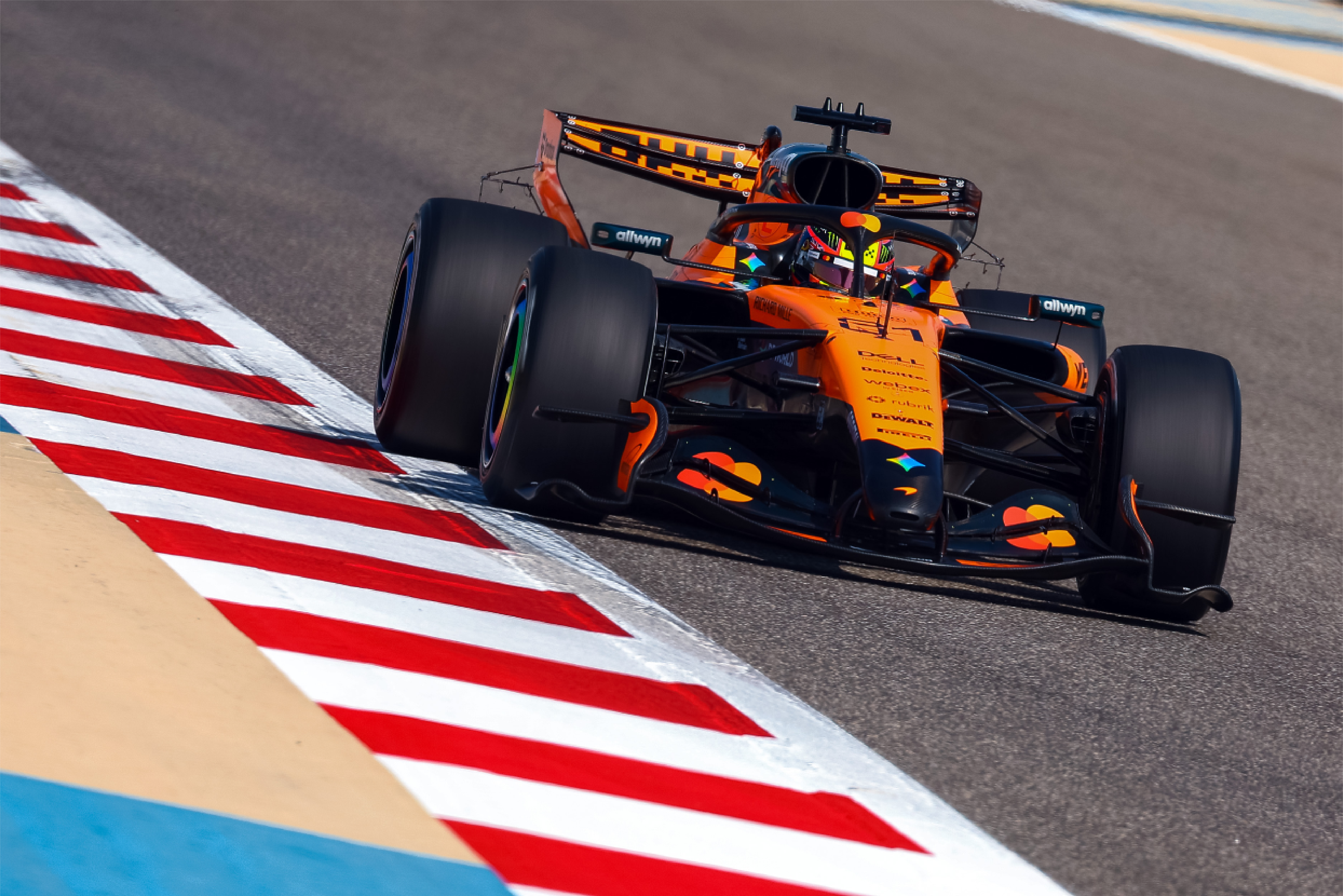
Oscar Piastri’s ascension as an F1® force is, by conventional standards, well ahead of schedule. Can 2026 be the season he starts – and stays – at the summit?
The 24-year-old Australian’s rise from promising rookie to confident frontrunner exceeded expectations. Piastri looked so comfortable as a championship contender that it was easy to forget just how far he’d come since the previous season.
“…we know that Oscar learns at the speed of light.”
Andrea Stella The fireworks were lighting up the Abu Dhabi night sky. But they weren’t for Oscar Piastri. The spectacular pyrotechnics were celebrating the maiden world title of chief championship rival and teammate Lando Norris, for whom third place, four seconds down the road from race-winner Max Verstappen and behind Piastri, was enough to clinch the crown.
Piastri knew he was a title outsider when he lined up on the grid for last year’s final race. Third in the standings and 16 points behind Norris – and four points behind Verstappen – it would have taken a remarkable slice of good fortune to end up in a championship winning position. But defeat – however it comes – on motorsport’s biggest stage is always bitter. McLaren declared early in the season that it would give both drivers an equal shot at the title, but it attempted to retain that equality by sometimes intervening in races. Those interventions – the so-called papaya rules – often proved controversial.
Given Piastri’s trajectory in his short career to date, it surely sets up McLaren for another difficult year of close competition between its drivers, with the Melburnian out to avenge his championship loss.
4. STANDING ALONE – MAX VERSTAPPEN
Words: Matthew Clayton
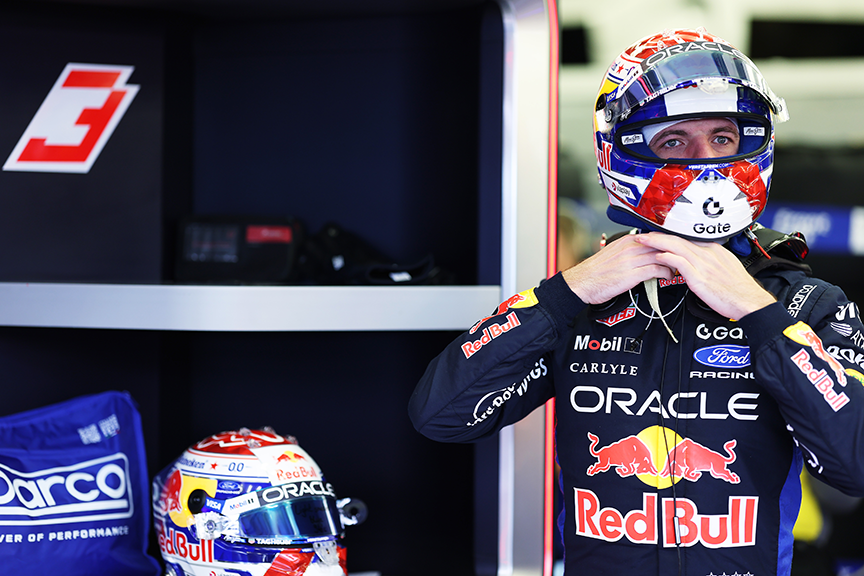
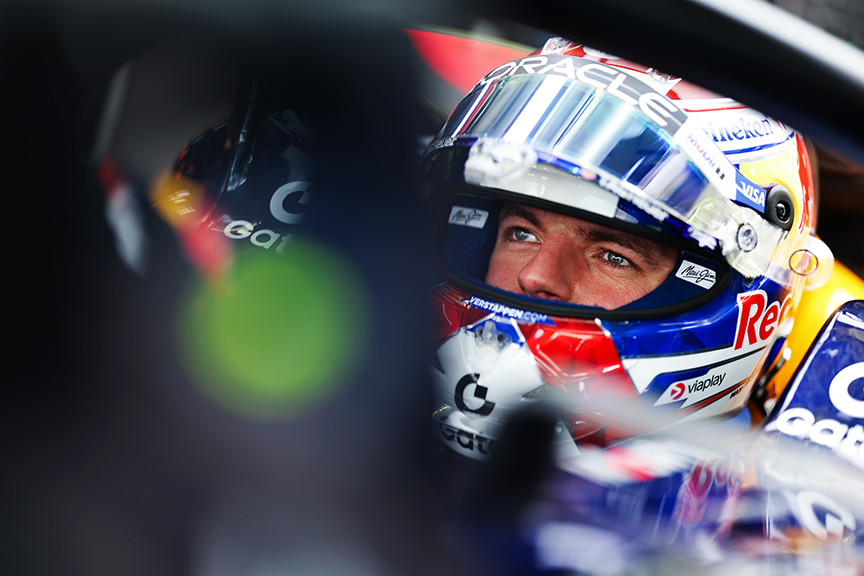
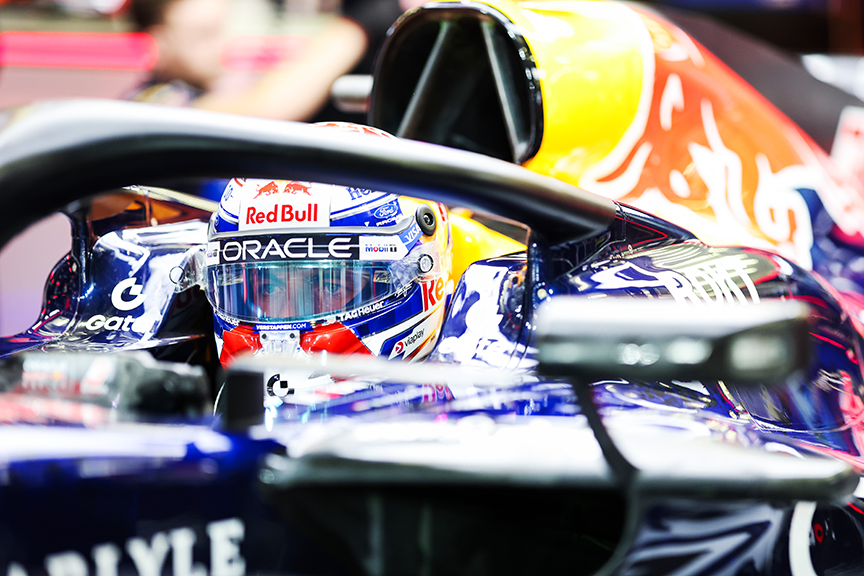
After seismic change on track and behind the scenes, Max Verstappen defiantly returns to Australia as one of Red Bull Racing’s few constants. He might be the only one they need…
When Verstappen walks into the Albert Park paddock to commence the 2026 season this weekend, nothing – and everything – has changed from this time last year. He’s still the sun his team orbits around, but that team has a very different look to last March. Gone from the 2025 Australian Grand Prix are then-teammate Liam Lawson – Albert Park was one of two races the New Zealander was given before being dumped for Yuki Tsunoda, who fared no better and was given his own marching orders before last season ended.
Christian Horner, Red Bull’s founding team principal, is long gone; Dr Helmut Marko, the driving force behind Red Bull’s young driver pathway for two decades and who is close to the Verstappen camp, is out too.
Honda, providers of the engines for all four of Verstappen’s titles and for all but three of his F1 seasons, have moved to become a works partner to Aston Martin, Red Bull debuting its new in-house engine partnership with Ford in Melbourne.
It’s an old team with a new look and feel, and one Verstappen drives relentlessly forward.
5. SILVER LINING – GEORGE RUSSELL
Words: Michael Lamonato
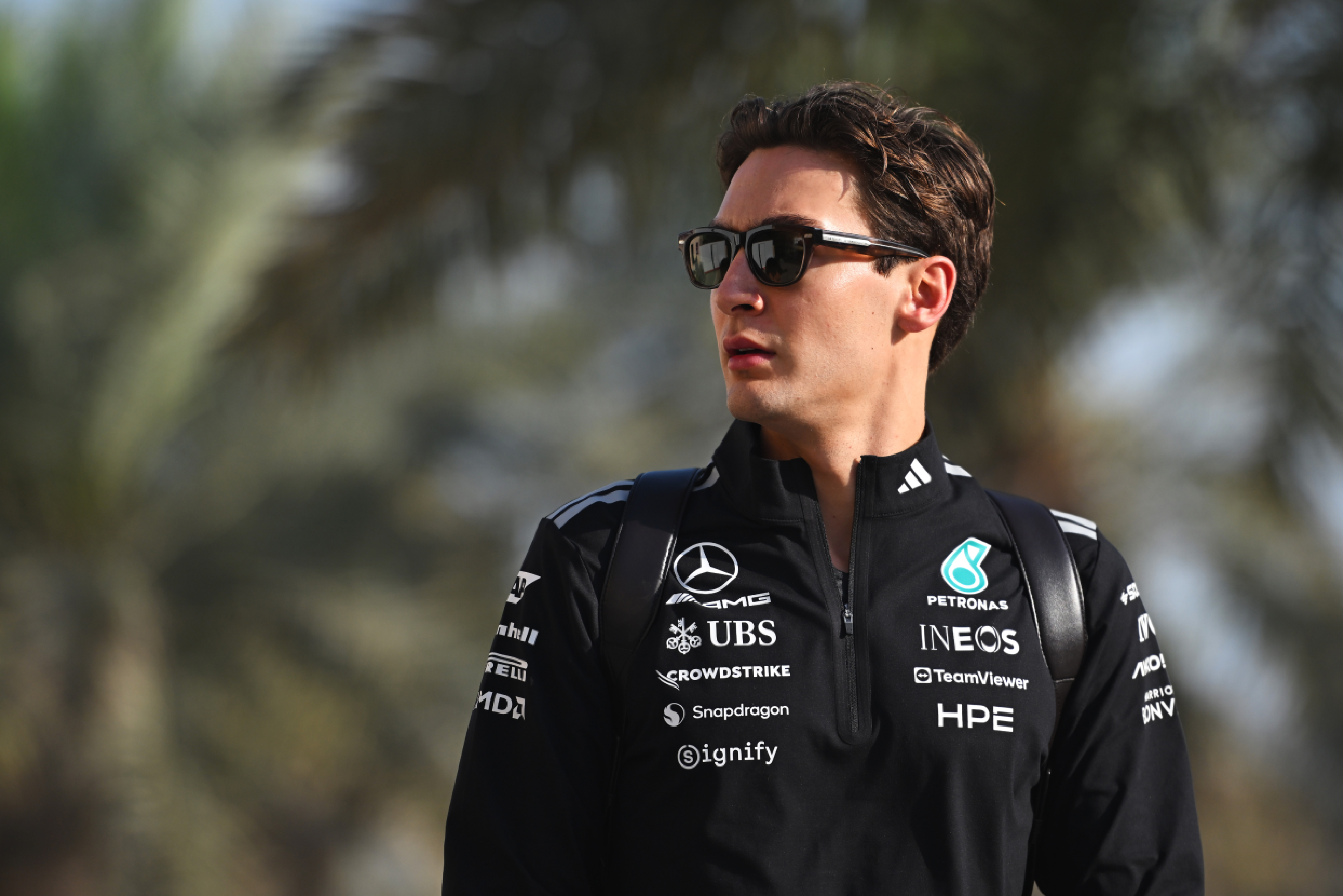
George Russell’s timing in F1® has been mostly bad; the 2026 regulation reset and a driver armed with a new contract who feels “more complete” could flip that script, fast…
Timing is everything in Formula 1, and George Russell could badly use a clock. Russell’s Formula 1 career so far has been an exercise in being in the right place at precisely the wrong time.
But in 2025, Russell rose magnificently to the challenge of team leadership. He equalled his 2022 finish with fourth in the standings, but he did so with a personal-best 319 points and an unprecedented nine podium finishes. Two of those podiums were landmark wins in Canada and Singapore, both imperious victories from pole position to close the arc and emphatically answer the leadership question.
For the first time in his career, George Russell might – just might – be in the right place at the right time.
"I know exactly what I need to do in given circumstances. I feel ready to fight for a championship…"
George Russell
6. BABY STEPS – F1’S NEWEST TEAM - CADILLAC
Words: Scott Mitchell-Malm
The FORMULA 1 QATAR AIRWAYS AUSTRALIAN GRAND PRIX 2026 marks the end of the beginning for Cadillac, F1’s newest team and first debutant for a decade. What happens now, and in the future?
When Cadillac’s two cars roll out of the pitlane in practice at the Formula 1 Australian Grand Prix, there will be people involved who can hardly believe the moment has finally arrived. For many, this project has existed for so long as an aspiration rather than a certainty that the idea of actually lining up on the grid may still feel surreal.
The road has been long, politically fraught and, at times, deeply uncertain. It has demanded perseverance, countless long days and sleepless nights, even when the end point was far from guaranteed.
Once Cadillac finally received the green light to commit fully to its F1 entry, the challenge did not ease. It intensified. What followed was a colossal amount of work compressed into a remarkably short space of time: recruiting a design organisation, building a race team, putting together thousands of pieces to build up two cars to compete in the most complex championship in world motorsport. All from nothing.
Now here the Cadillac F1 team is, arriving with serious intent and grand potential...