CLOSE
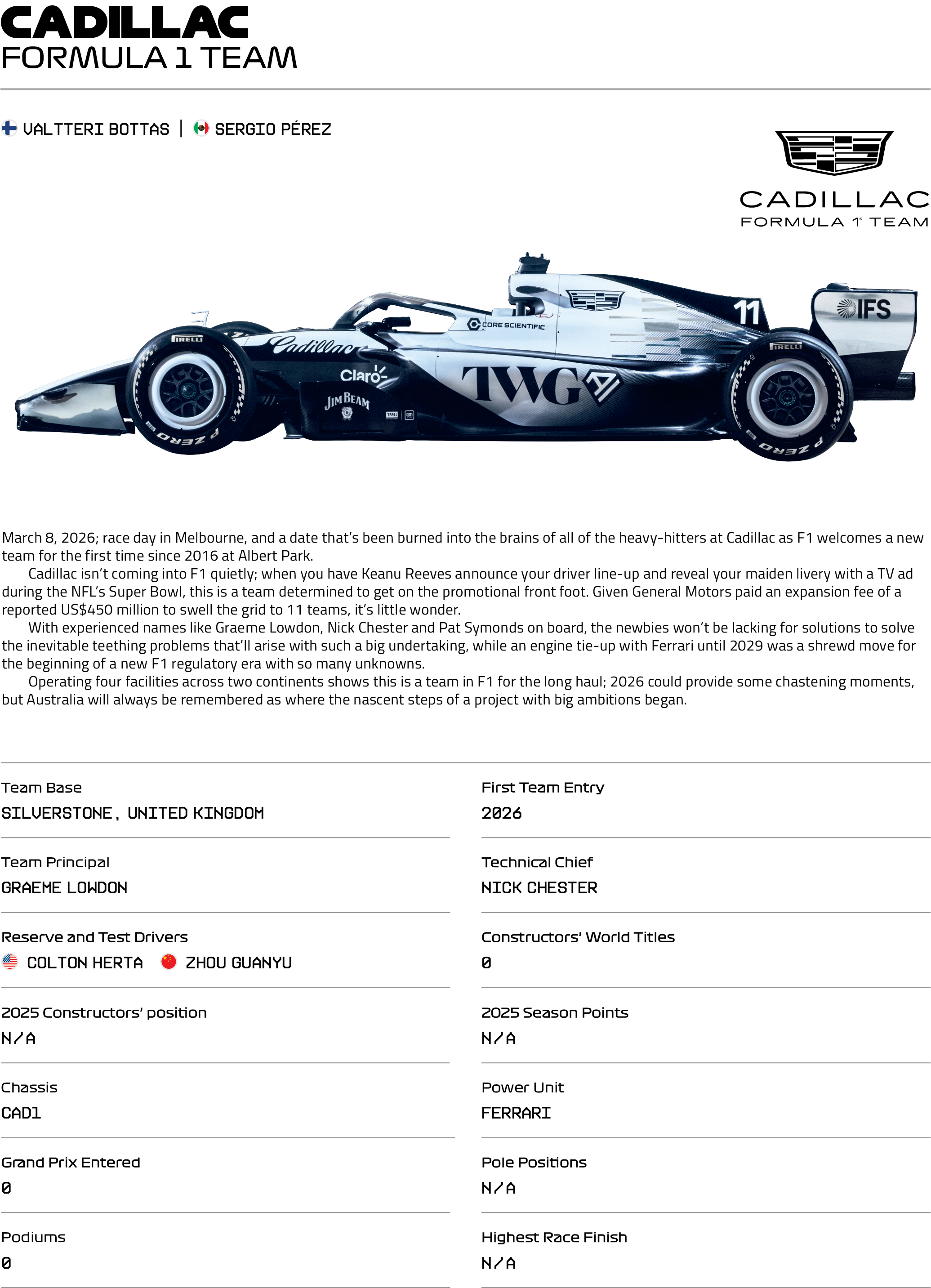
March 8, 2026; race day in Melbourne, and a date that’s been burned into the brains of all of the heavy-hitters at Cadillac as F1 welcomes a new team for the first time since 2016 at Albert Park.
Cadillac isn’t coming into F1 quietly; when you have Keanu Reeves announce your driver line-up and reveal your maiden livery with a TV ad during the NFL’s Super Bowl, this is a team determined to get on the promotional front foot. Given General Motors paid an expansion fee of a reported US$450 million to swell the grid to 11 teams, it’s little wonder.
With experienced names like Graeme Lowdon, Nick Chester and Pat Symonds on board, the newbies won’t be lacking for solutions to solve the inevitable teething problems that’ll arise with such a big undertaking, while an engine tie-up with Ferrari until 2029 was a shrewd move for the beginning of a new F1 regulatory era with so many unknowns.
Operating four facilities across two continents shows this is a team in F1 for the long haul; 2026 could provide some chastening moments, but Australia will always be remembered as where the nascent steps of a project with big ambitions began
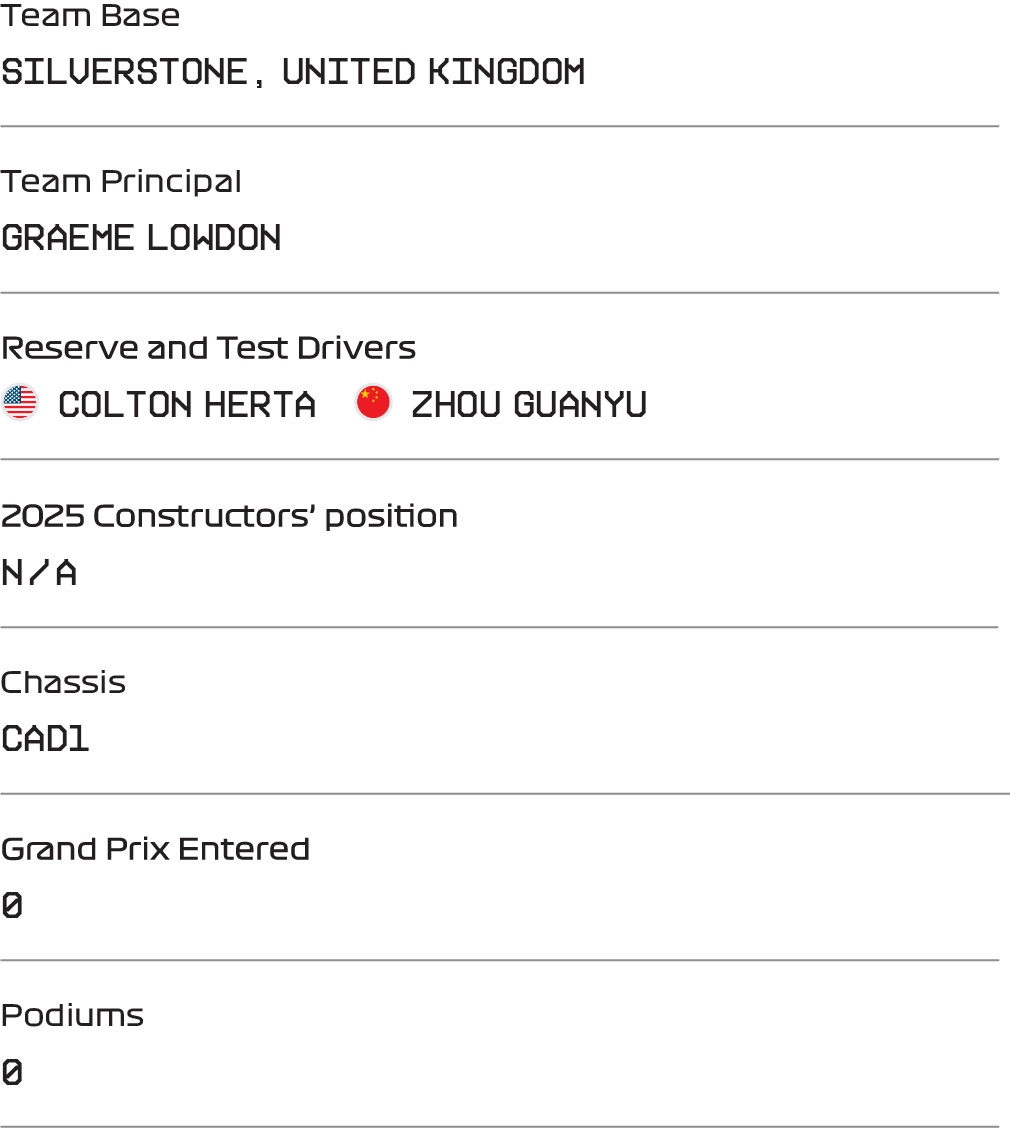
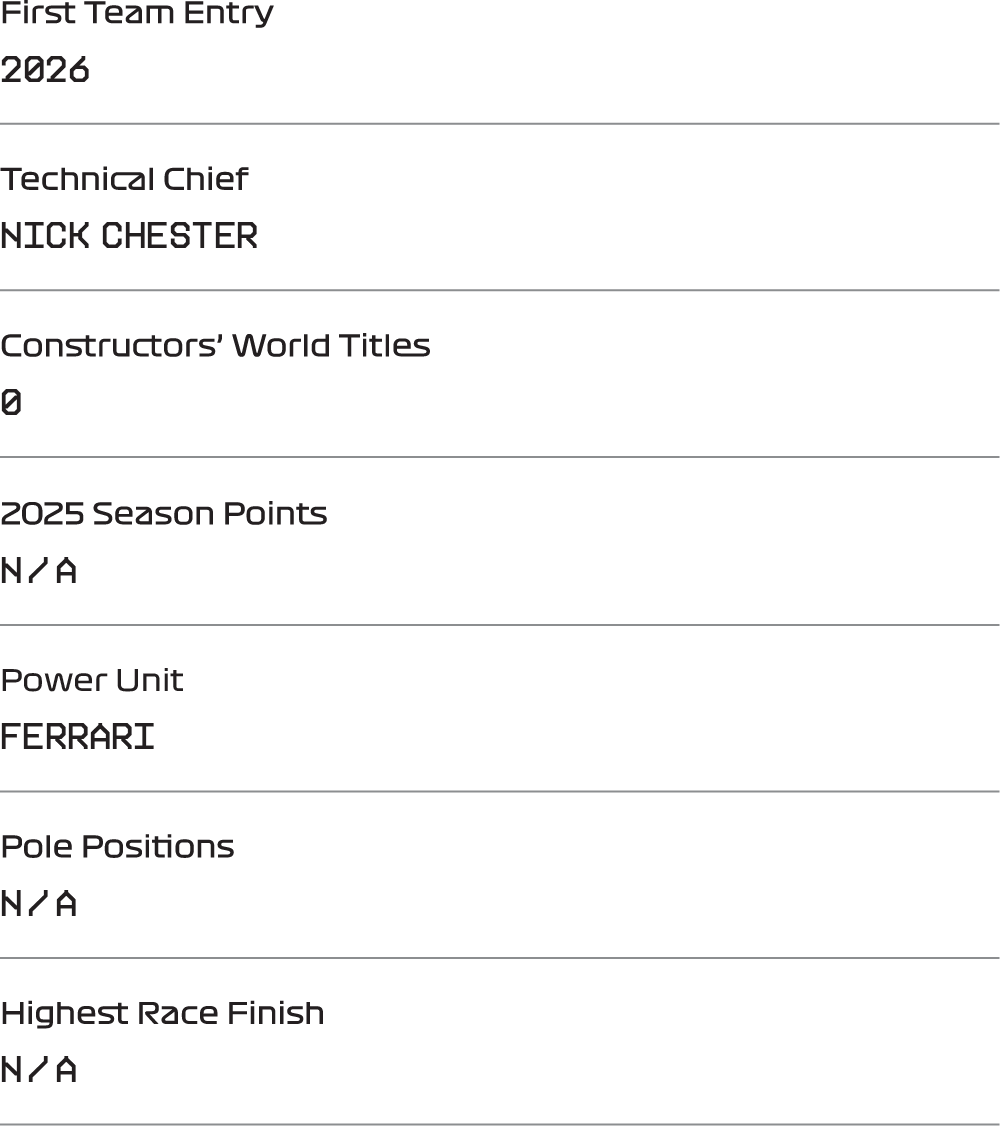

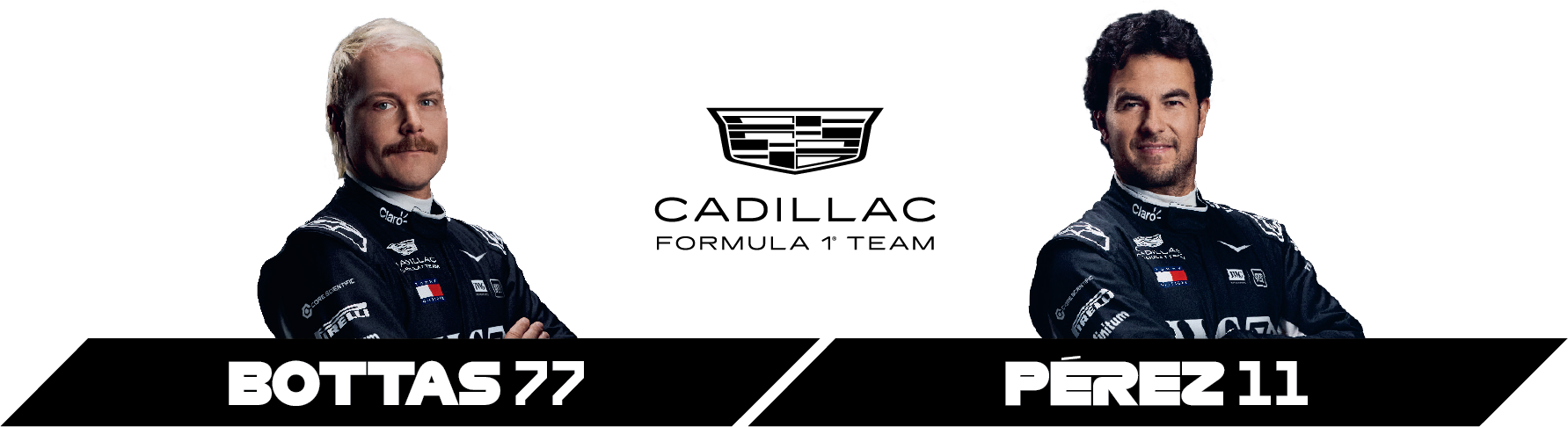
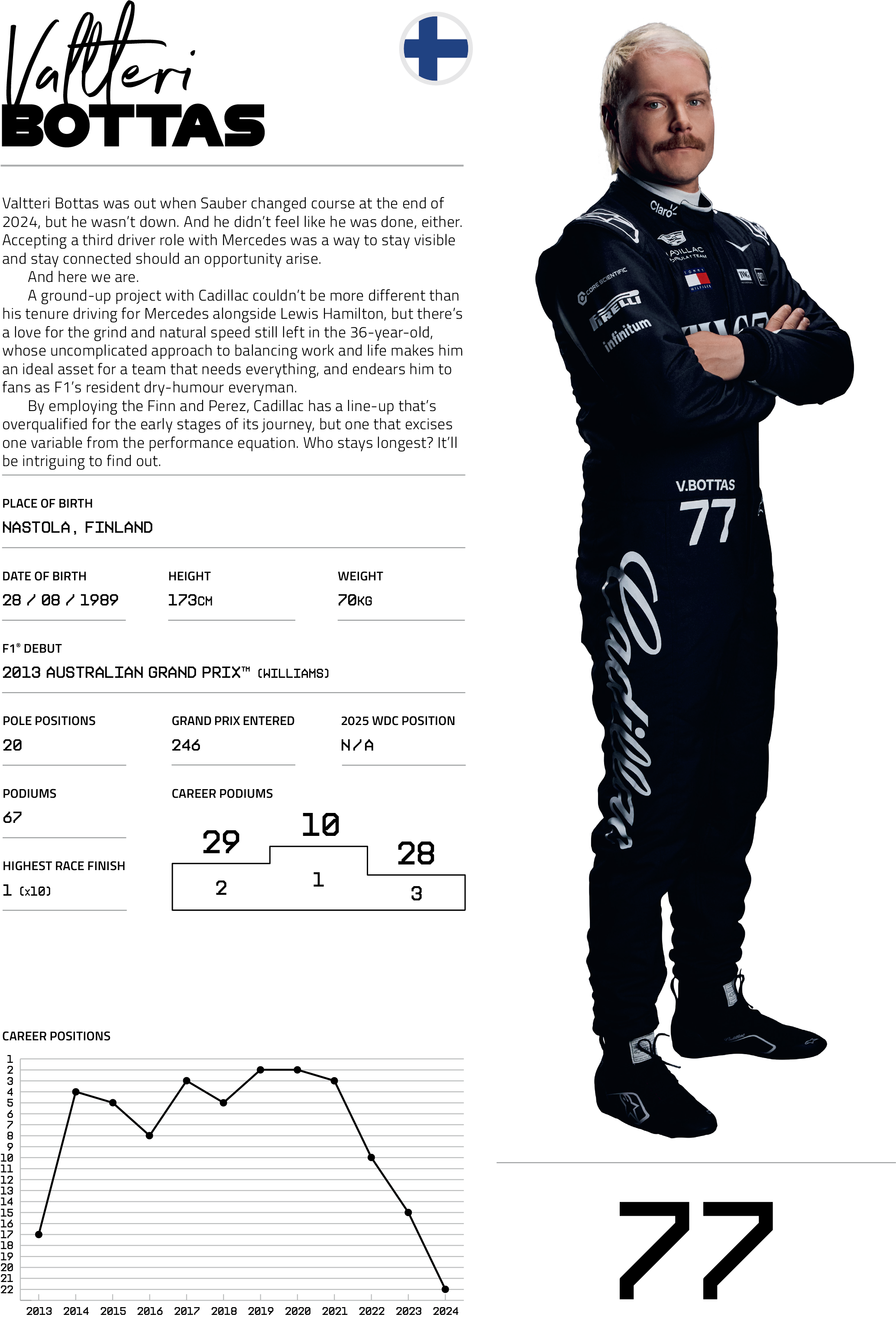
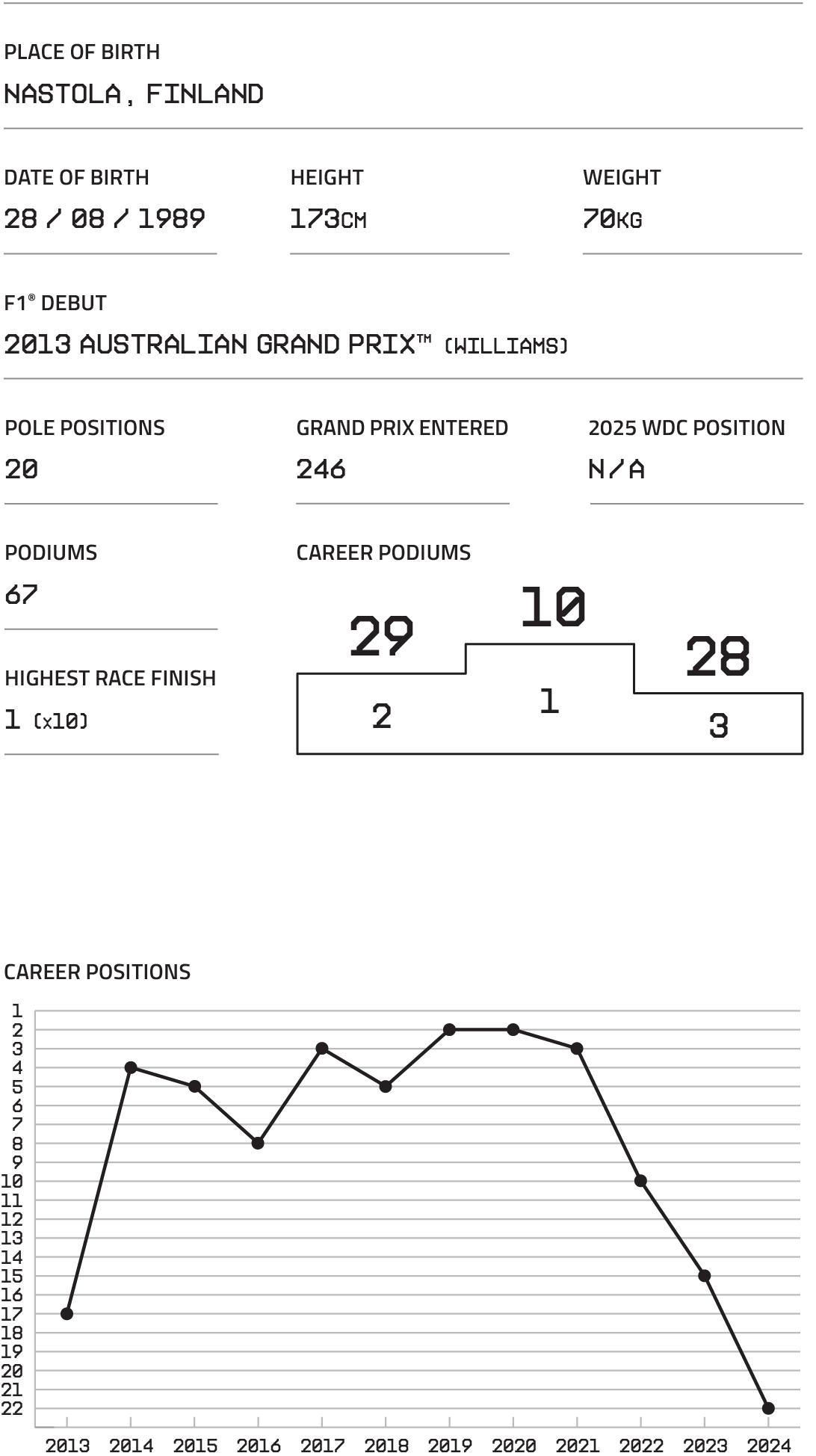
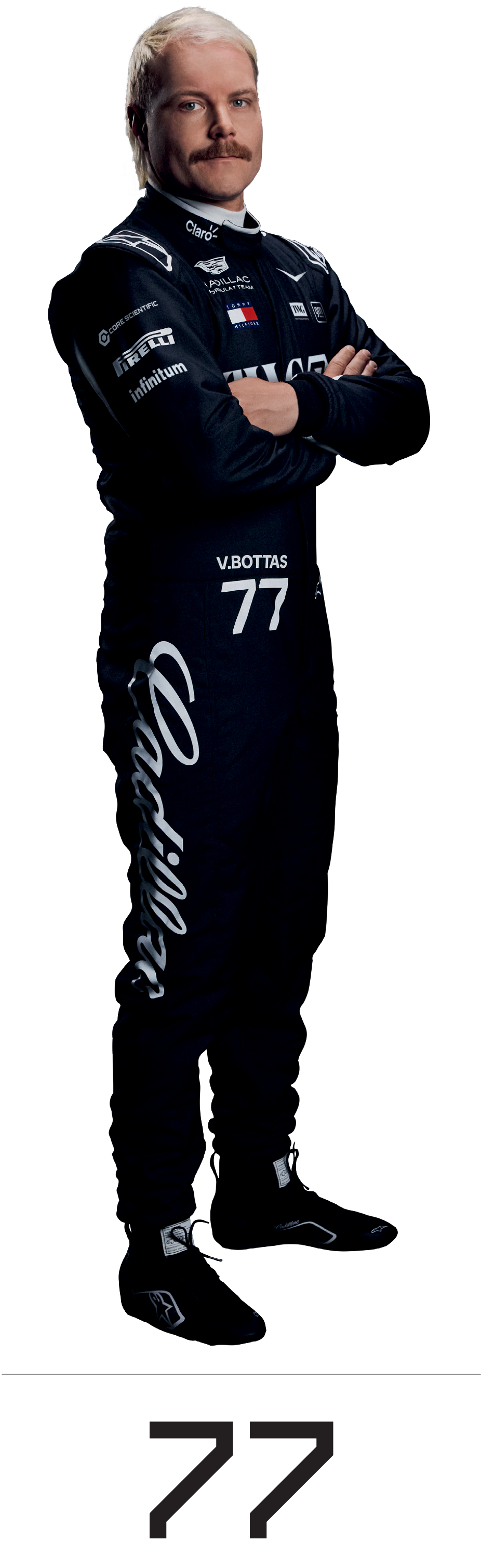
Valtteri Bottas was out when Sauber changed course at the end of 2024, but he wasn’t down. And he didn’t feel like he was done, either. Accepting a third driver role with Mercedes was a way to stay visible and stay connected should an opportunity arise.
And here we are.
A ground-up project with Cadillac couldn’t be more different than his tenure driving for Mercedes alongside Lewis Hamilton, but there’s a love for the grind and natural speed still left in the 36-year-old, whose uncomplicated approach to balancing work and life makes him an ideal asset for a team that needs everything, and endears him to fans as F1’s resident dry-humour everyman.
By employing the Finn and Perez, Cadillac has a line-up that’s overqualified for the early stages of its journey, but one that excises one variable from the performance equation. Who stays longest? It’ll be intriguing to find out.

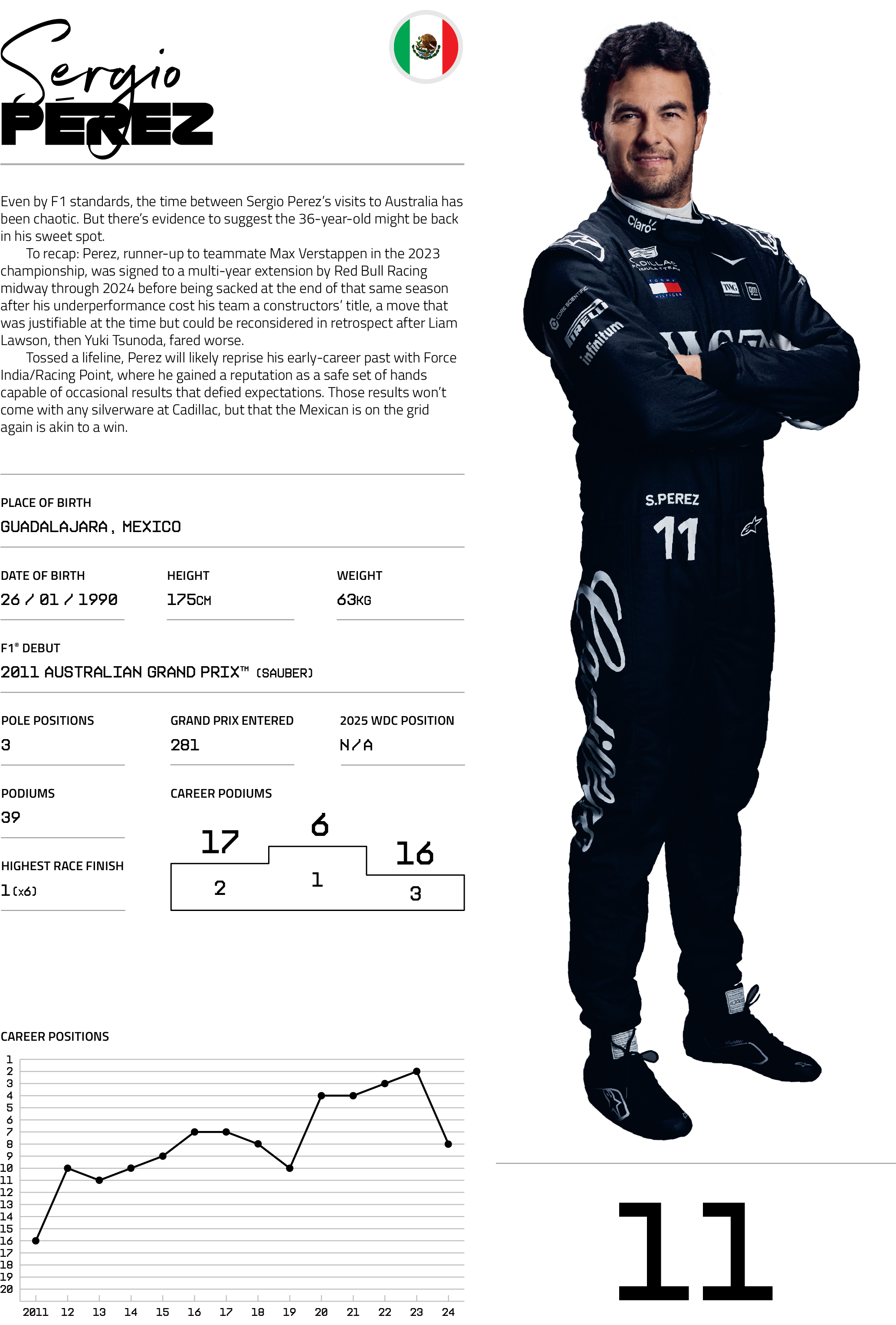
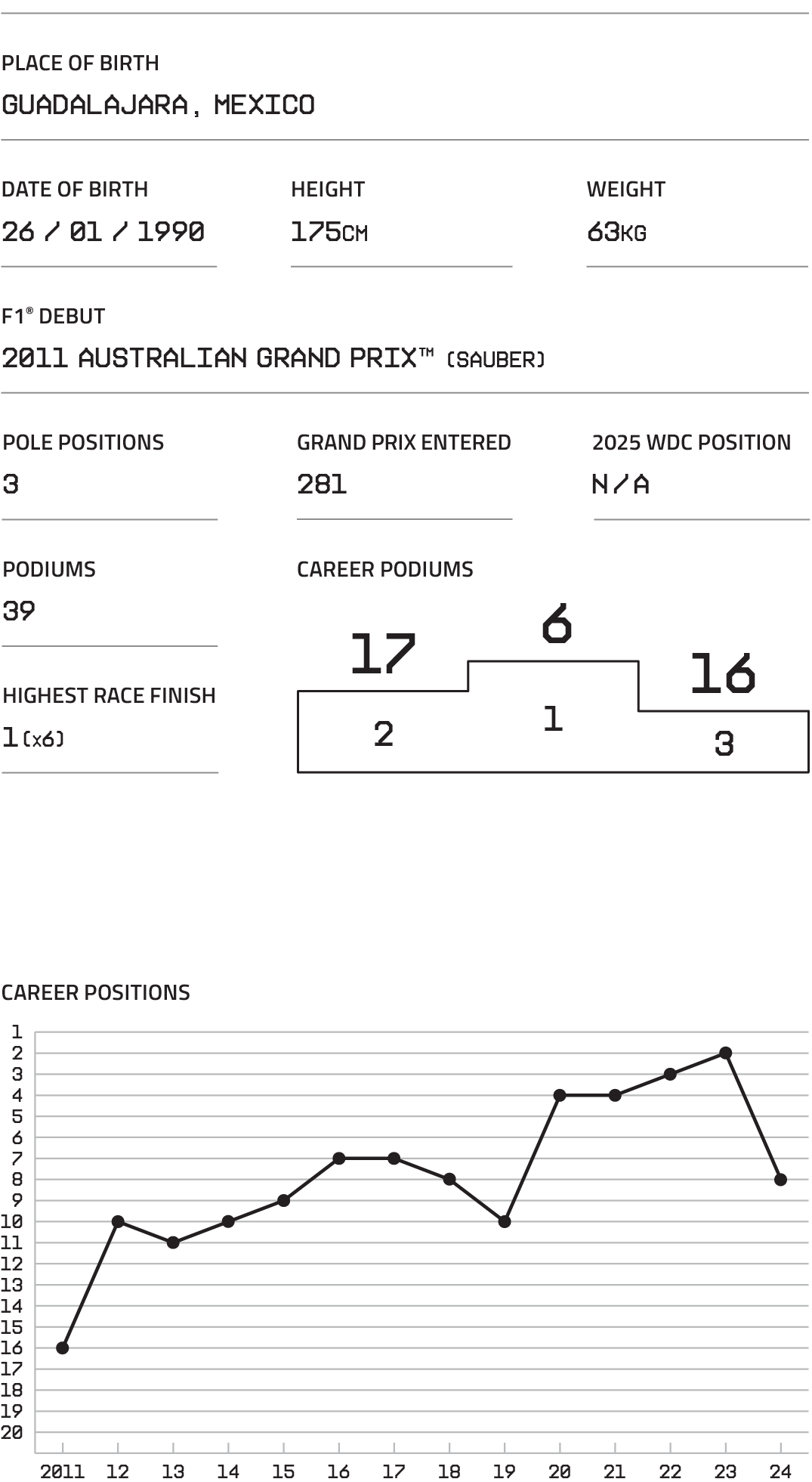
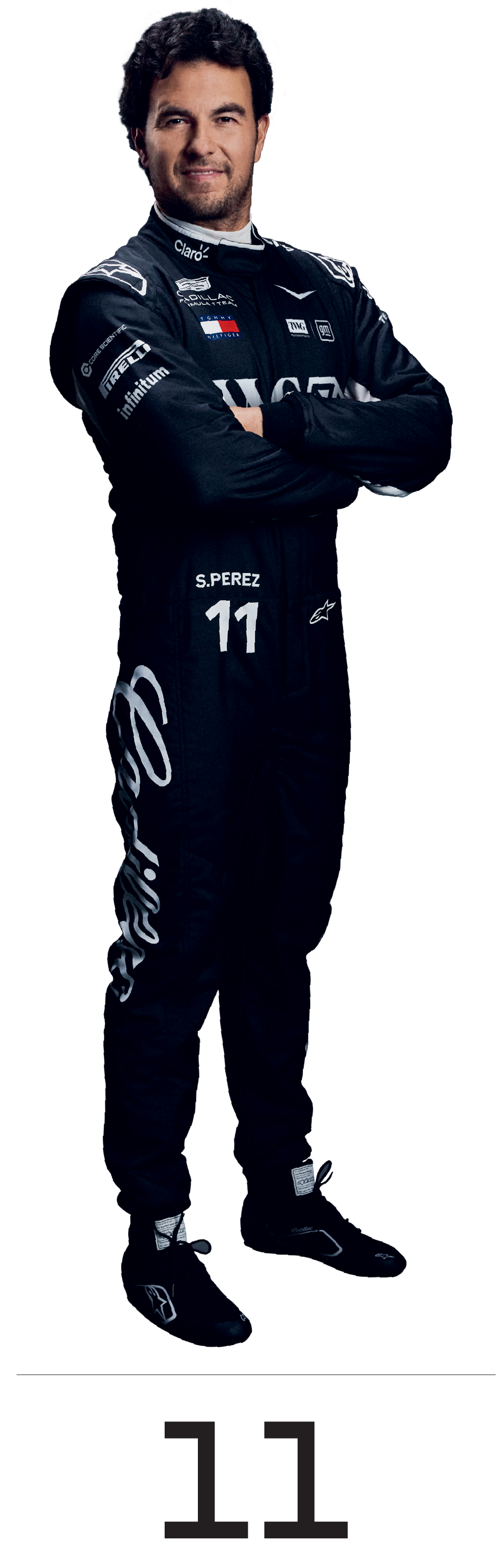
Even by F1 standards, the time between Sergio Perez’s visits to Australia has been chaotic. But there’s evidence to suggest the 36-year-old might be back in his sweet spot.
To recap: Perez, runner-up to teammate Max Verstappen in the 2023 championship, was signed to a multi-year extension by Red Bull Racing midway through 2024 before being sacked at the end of that same season after his underperformance cost his team a constructors’ title, a move that was justifiable at the time but could be reconsidered in retrospect after Liam Lawson, then Yuki Tsunoda, fared worse.
Tossed a lifeline, Perez will likely reprise his early-career past with Force India/Racing Point, where he gained a reputation as a safe set of hands capable of occasional results that defied expectations. Those results won’t come with any silverware at Cadillac, but that the Mexican is on the grid again is akin to a win.
CLOSE
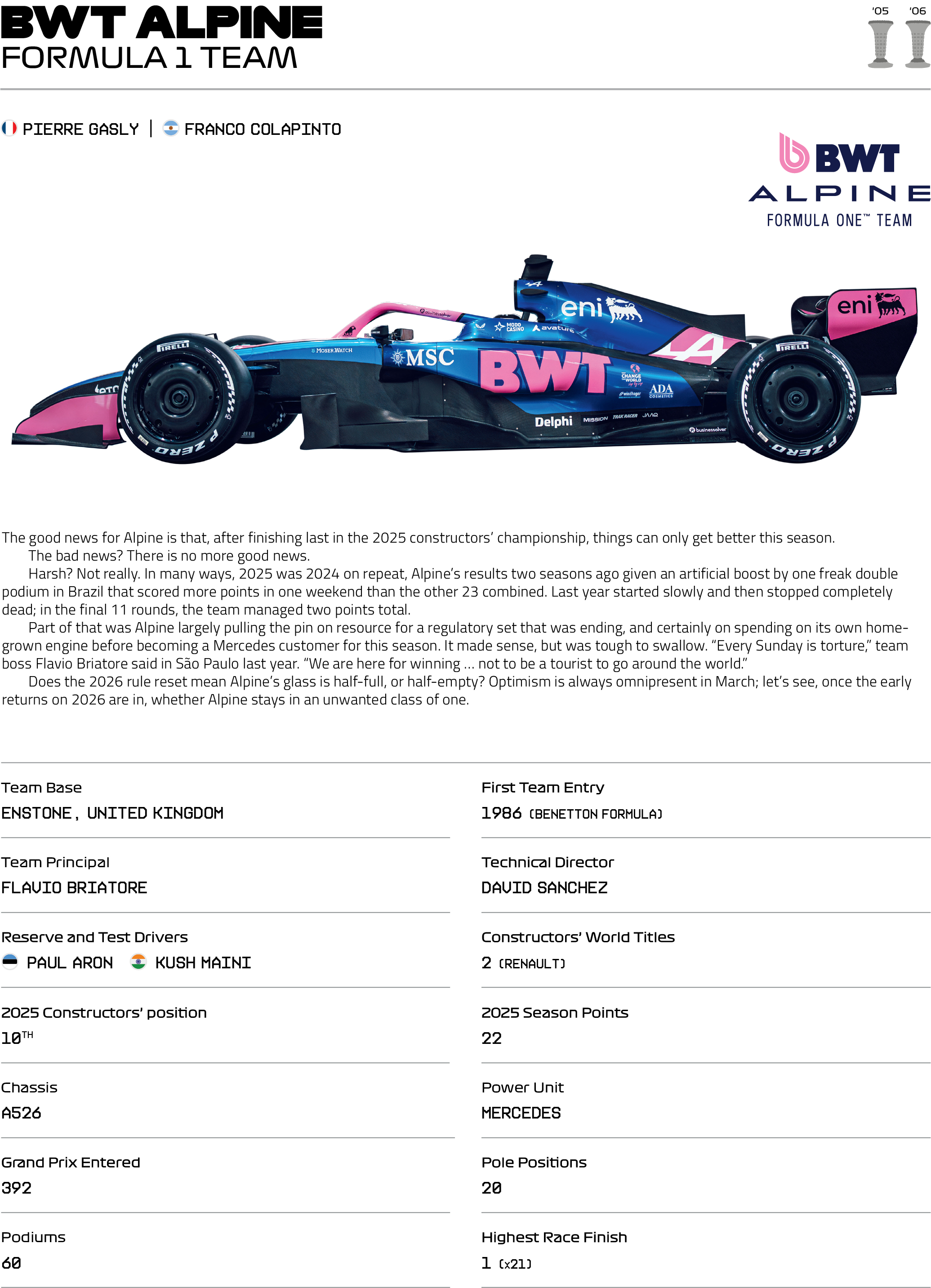
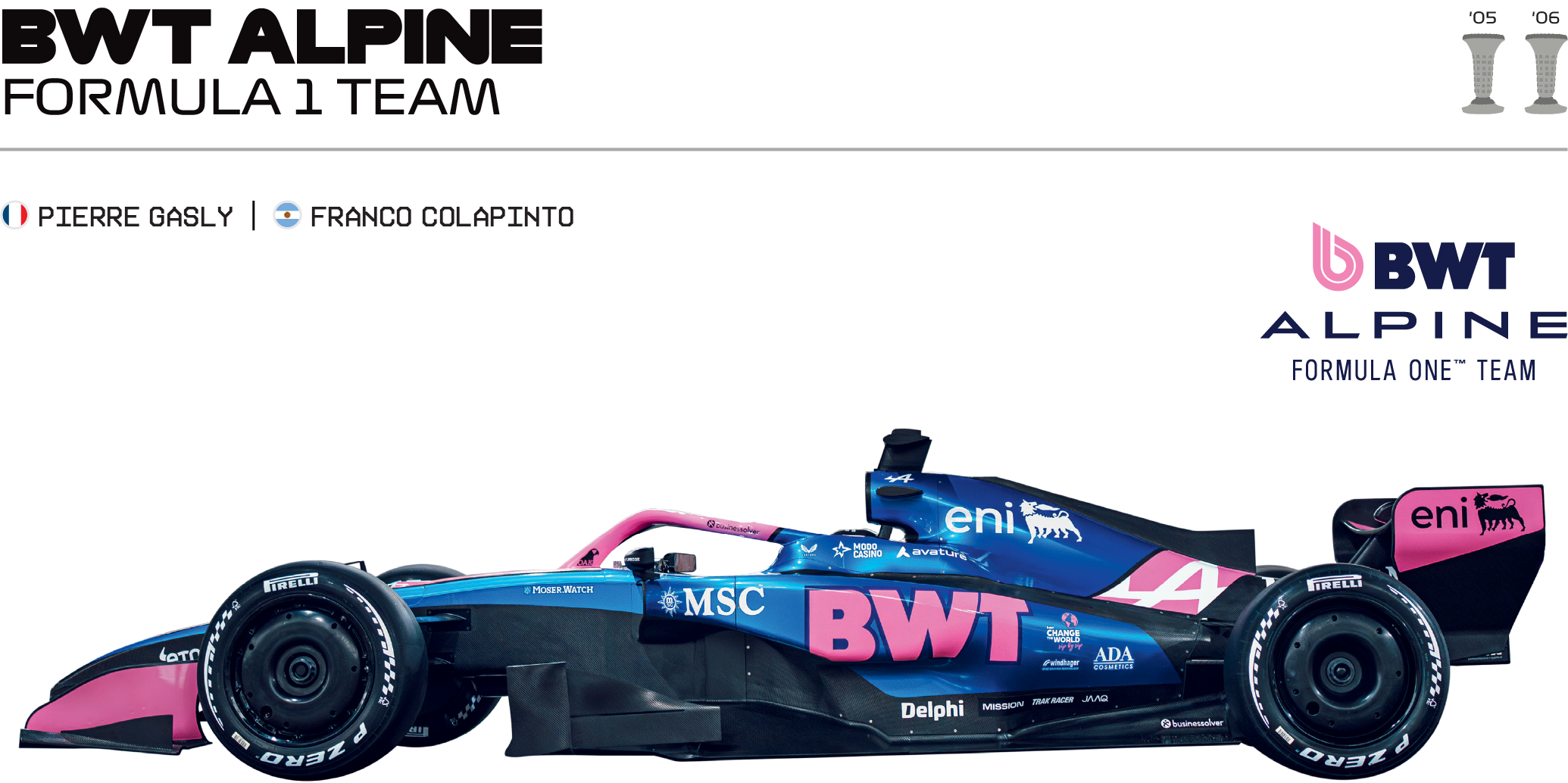
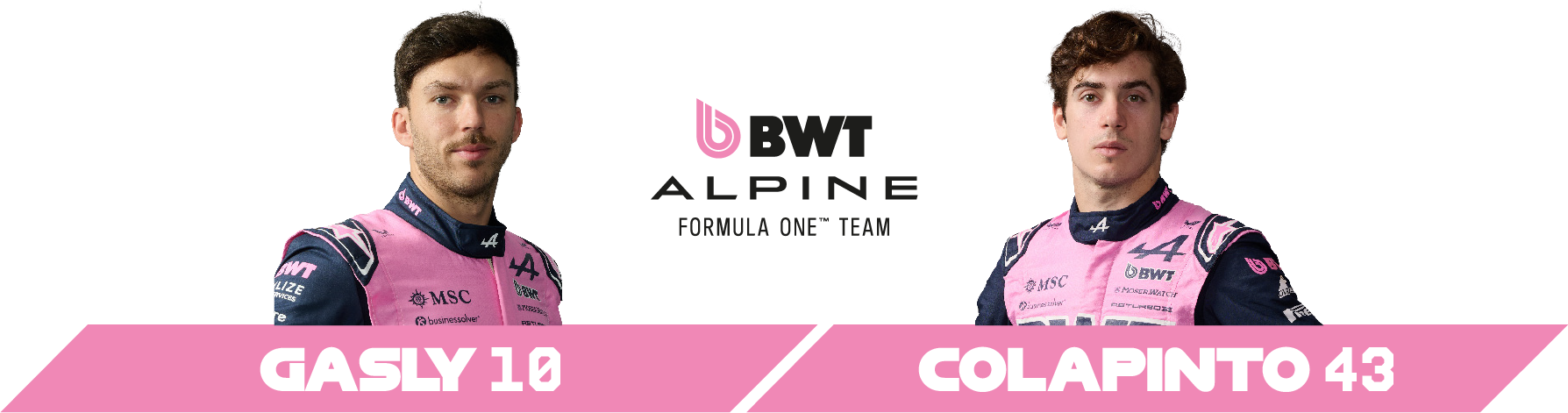
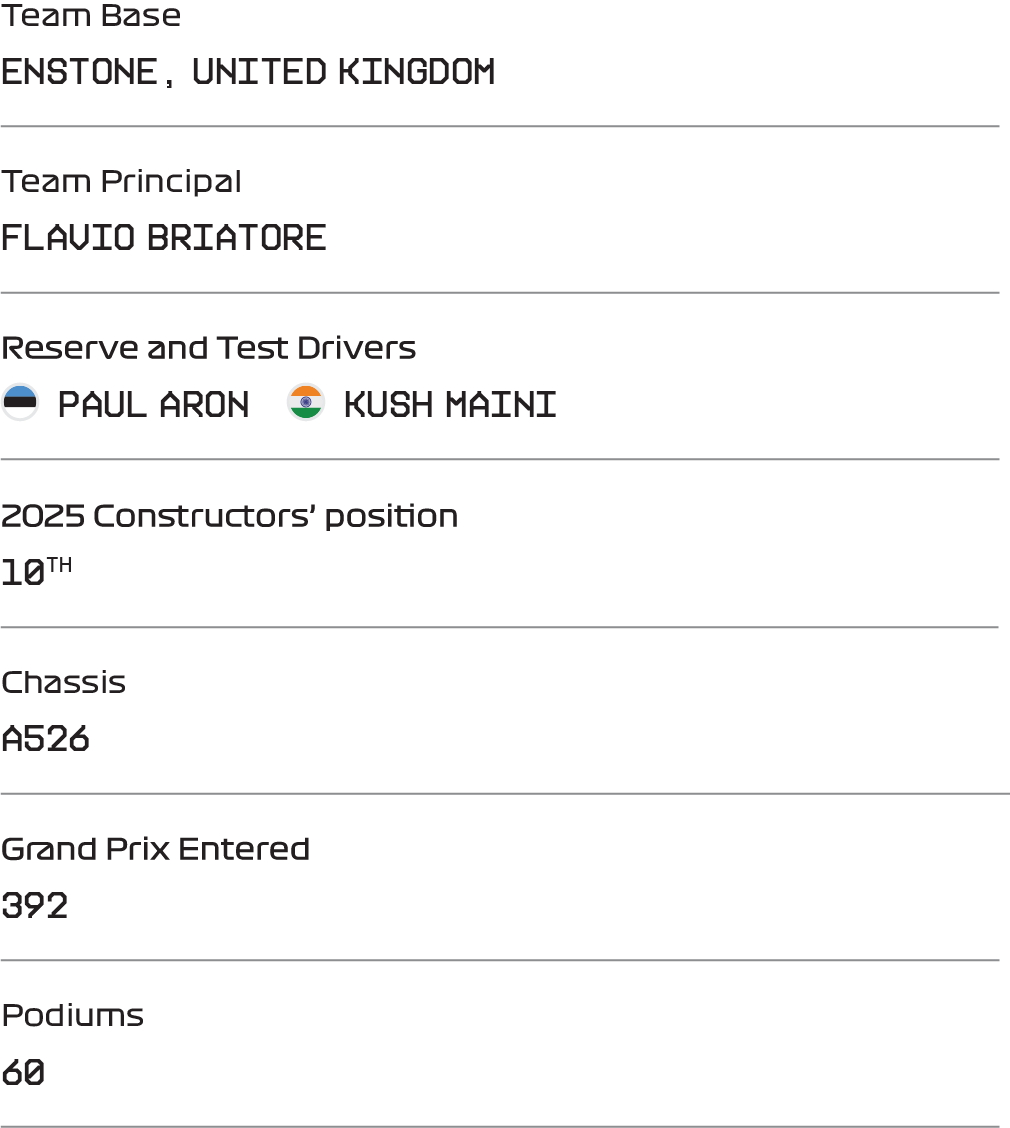
The good news for Alpine is that, after finishing last in the 2025 constructors’ championship, things can only get better this season. The bad news? There is no more good news.
Harsh? Not really. In many ways, 2025 was 2024 on repeat, Alpine’s results two seasons ago given an artificial boost by one freak double podium in Brazil that scored more points in one weekend than the other 23 combined. Last year started slowly and then stopped completely dead; in the final 11 rounds, the team managed two points total.
Part of that was Alpine largely pulling the pin on resource for a regulatory set that was ending, and certainly on spending on its own home-grown engine before becoming a Mercedes customer for this season. It made sense, but was tough to swallow. “Every Sunday is torture,” team boss Flavio Briatore said in São Paulo last year. “We are here for winning … not to be a tourist to go around the world.” Does the 2026 rule reset mean Alpine’s glass is half-full, or half-empty? Optimism is always omnipresent in March; let’s see, once the early returns on 2026 are in, whether Alpine stays in an unwanted class of one.
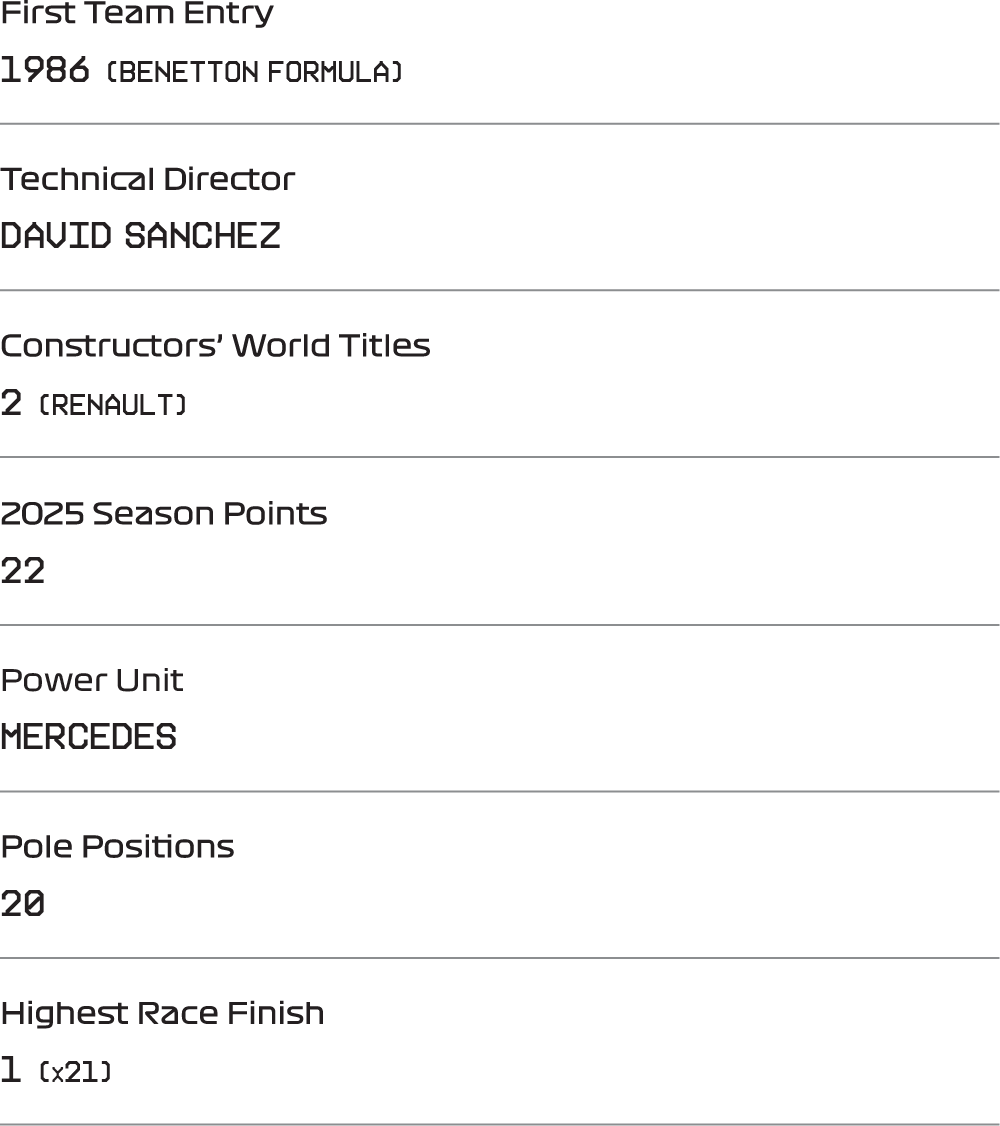

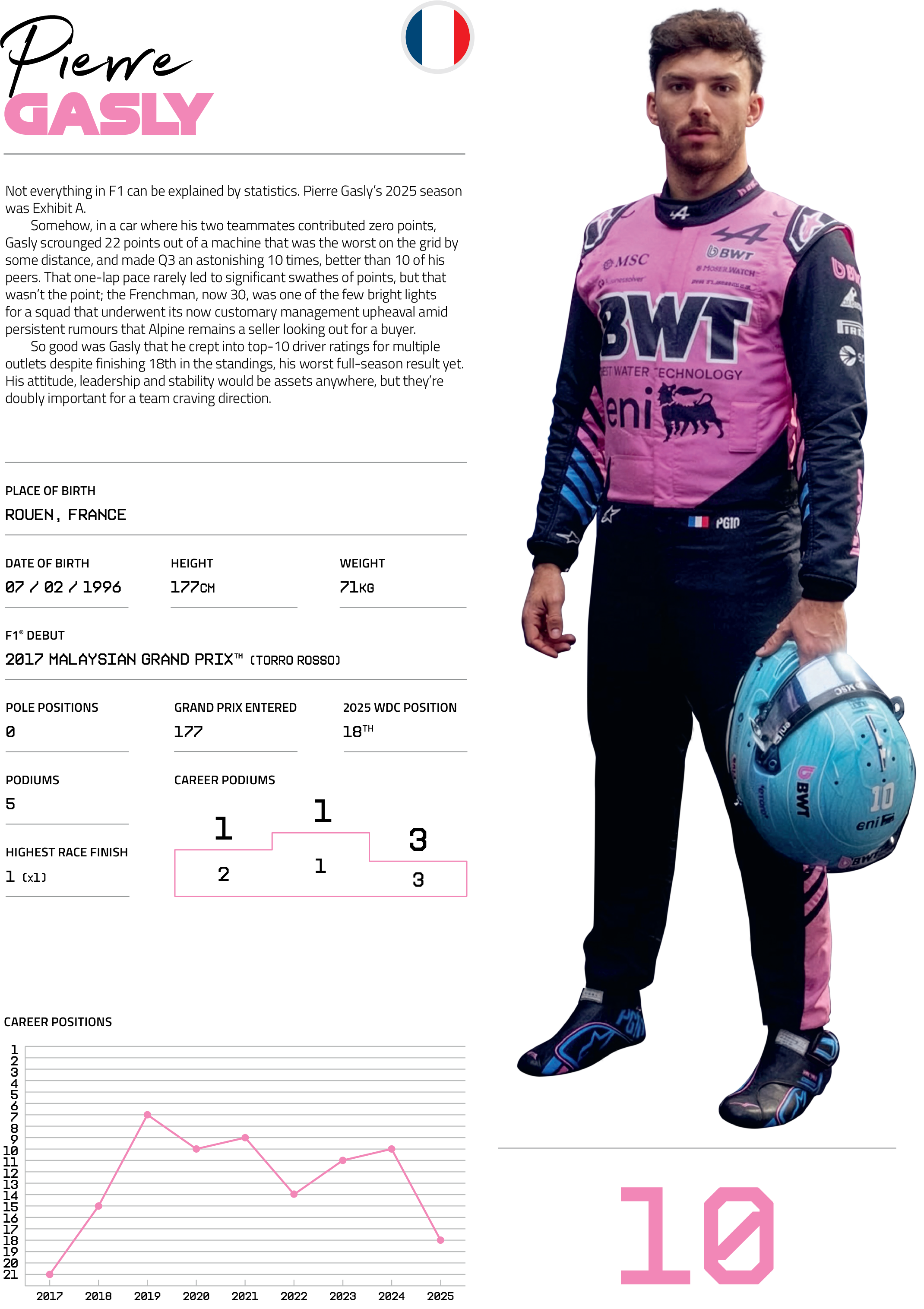
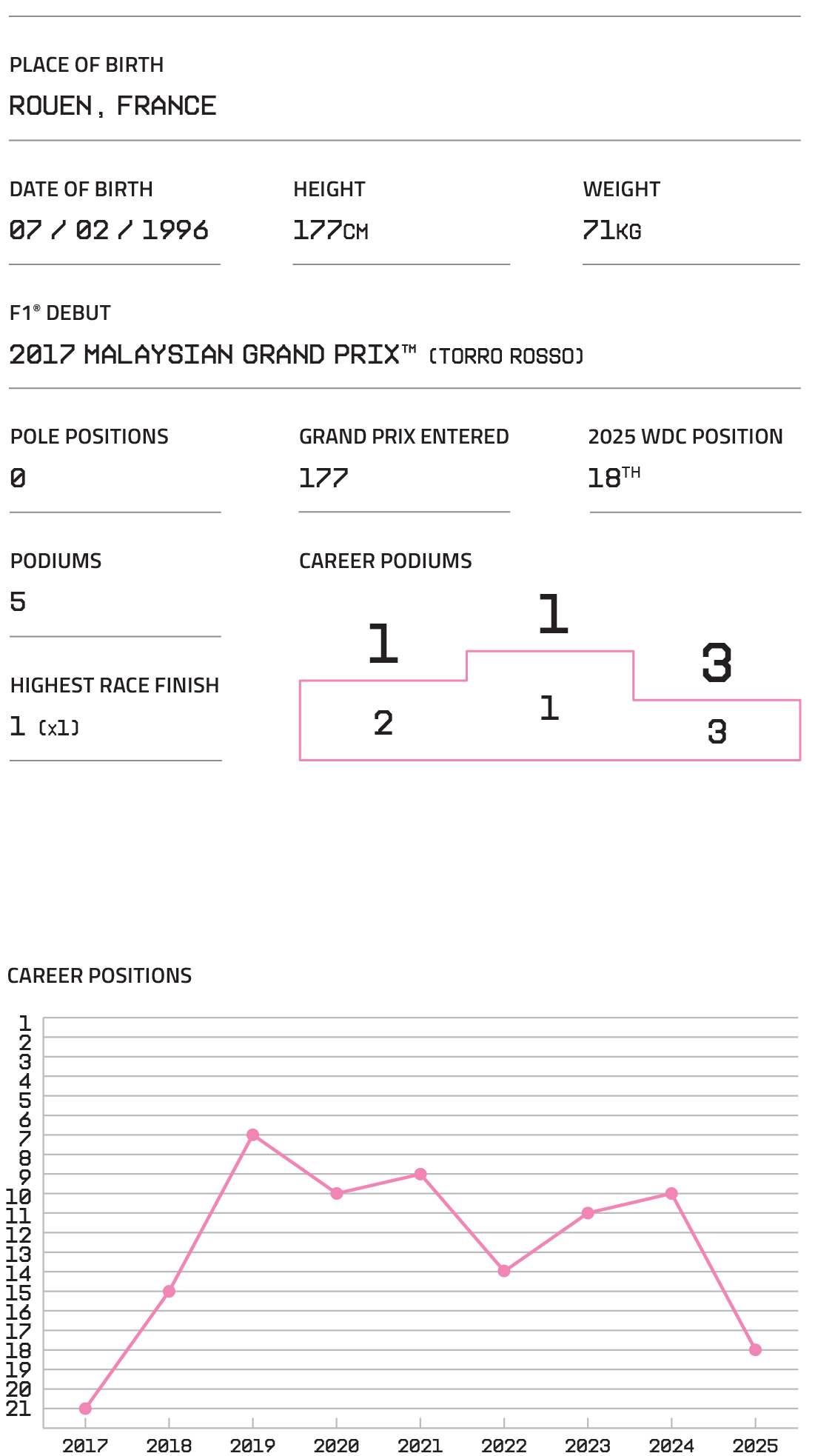
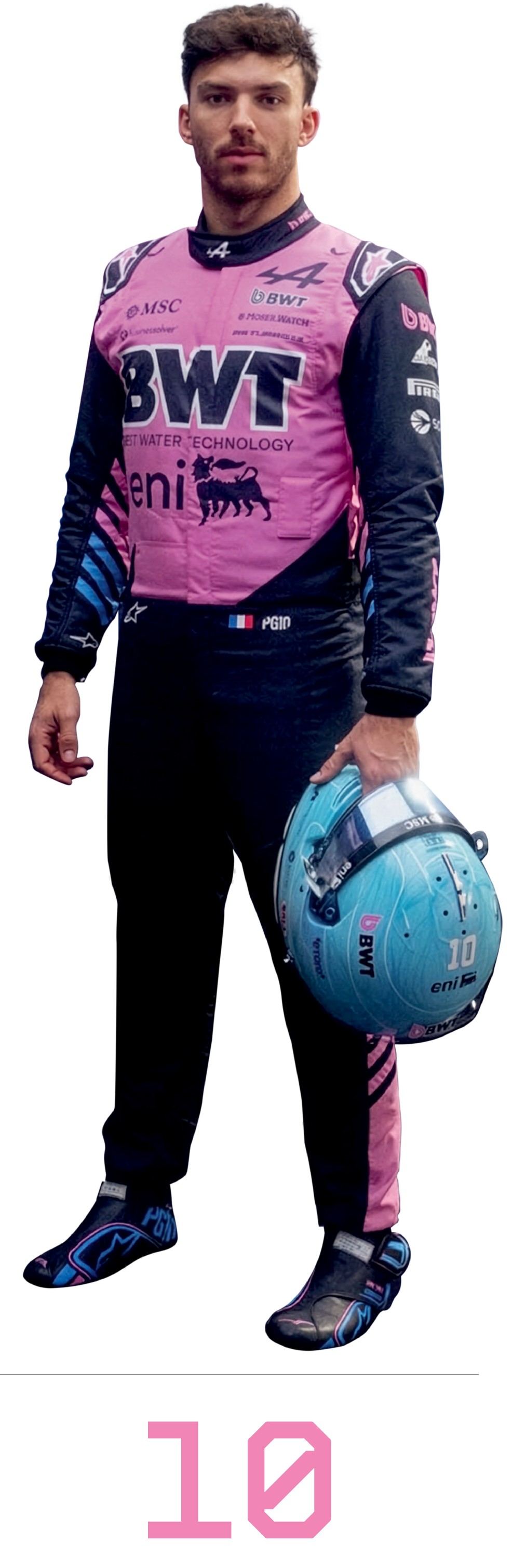
Not everything in F1 can be explained by statistics. Pierre Gasly’s 2025 season was Exhibit A.
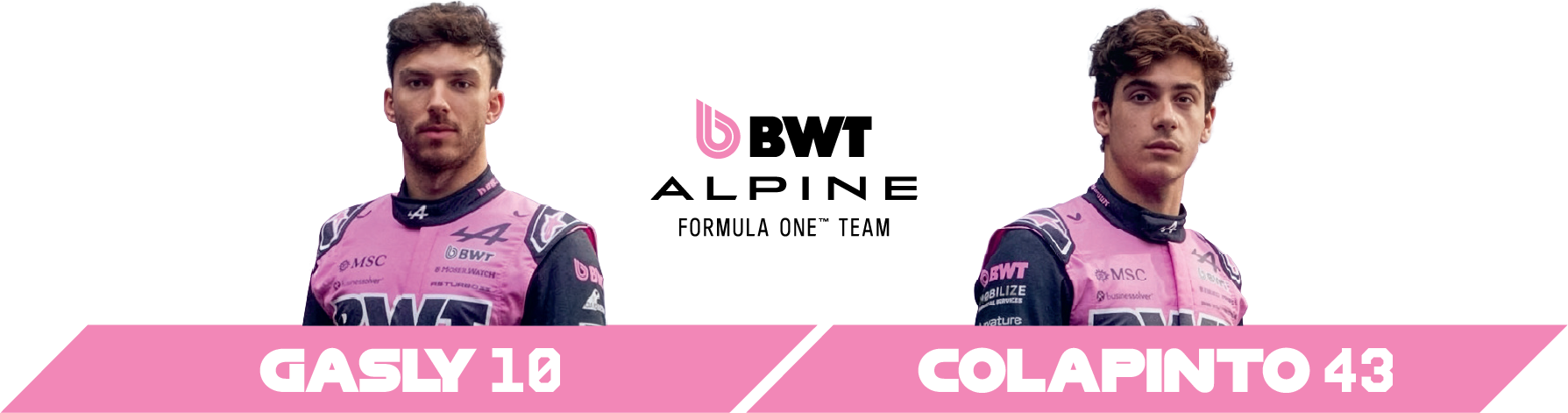
Somehow, in a car where his two teammates contributed zero points, Gasly scrounged 22 points out of a machine that was the worst on the grid by some distance, and made Q3 an astonishing 10 times, better than 10 of his peers. That one-lap pace rarely led to significant swathes of points, but that wasn’t the point; the Frenchman, now 30, was one of the few bright lights for a squad that underwent its now customary management upheaval amid persistent rumours that Alpine remains a seller looking out for a buyer.
So good was Gasly that he crept into top-10 driver ratings for multiple outlets despite finishing 18th in the standings, his worst full-season result yet. His attitude, leadership and stability would be assets anywhere, but they’re doubly important for a team craving direction.

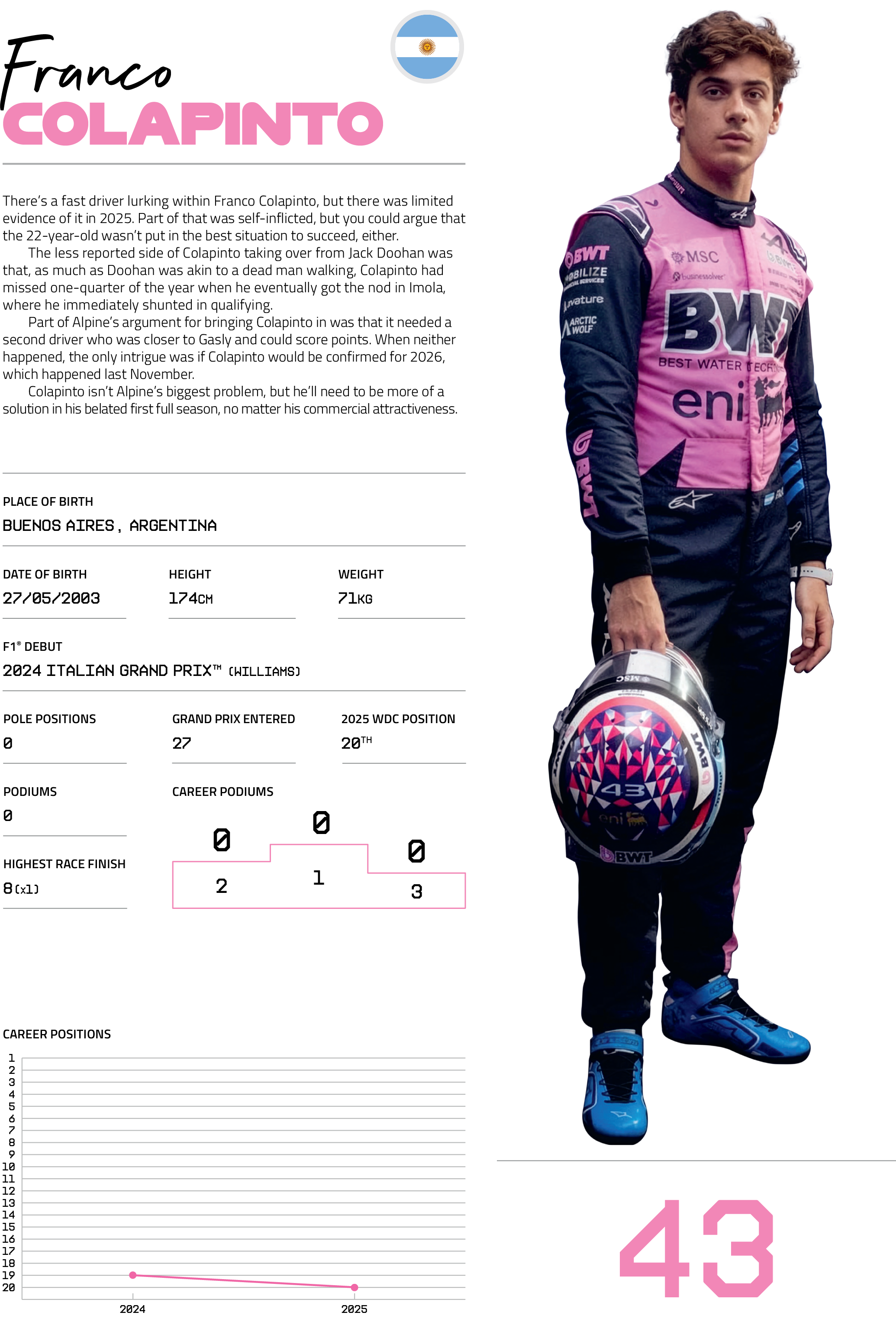
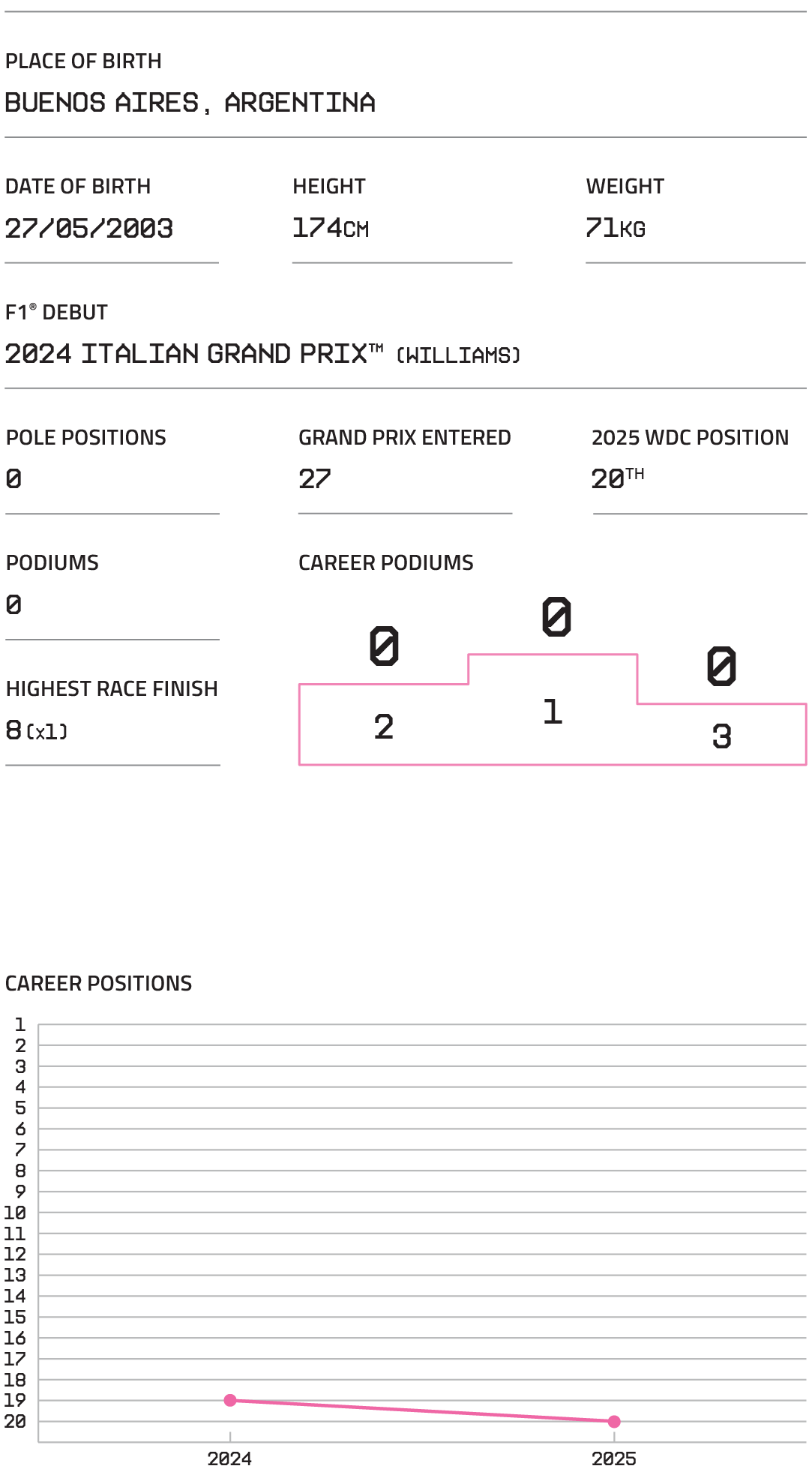
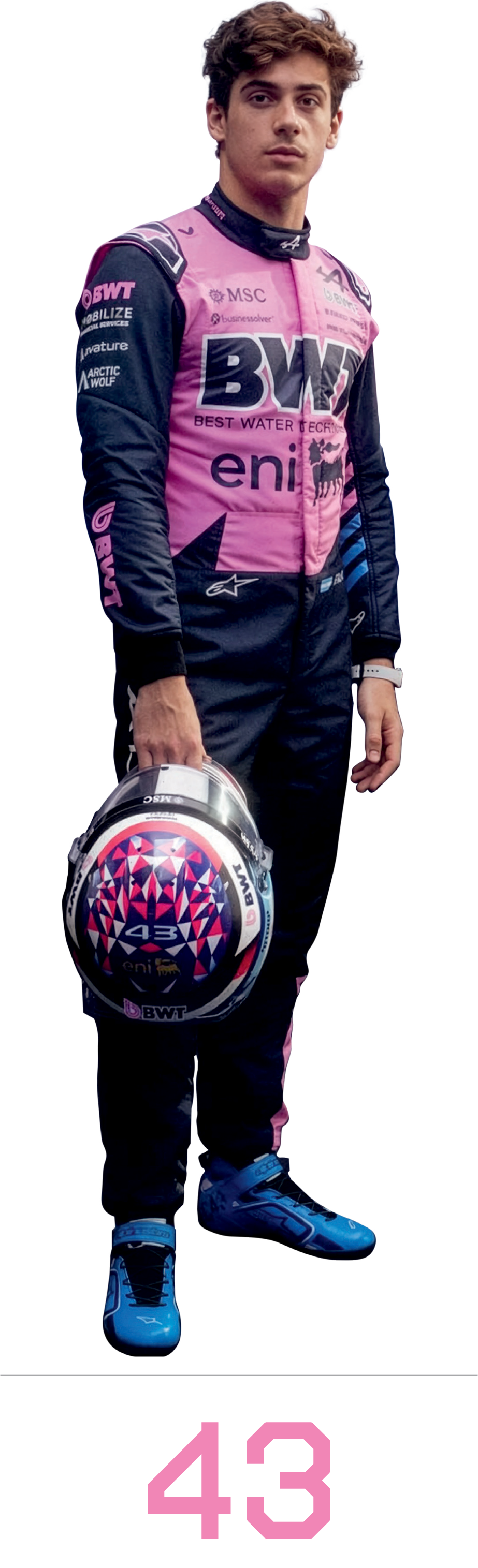
There’s a fast driver lurking within Franco Colapinto, but there was limited evidence of it in 2025. Part of that was self-inflicted, but you could argue that the 22-year-old wasn’t put in the best situation to succeed, either.
The less reported side of Colapinto taking over from Jack Doohan was that, as much as Doohan was akin to a dead man walking, Colapinto had missed one-quarter of the year when he eventually got the nod in Imola, where he immediately shunted in qualifying.
Part of Alpine’s argument for bringing Colapinto in was that it needed a second driver who was closer to Gasly and could score points. When neither happened, the only intrigue was if Colapinto would be confirmed for 2026, which happened last November.
Colapinto isn’t Alpine’s biggest problem, but he’ll need to be more of a solution in his belated first full season, no matter his commercial attractiveness.
CLOSE
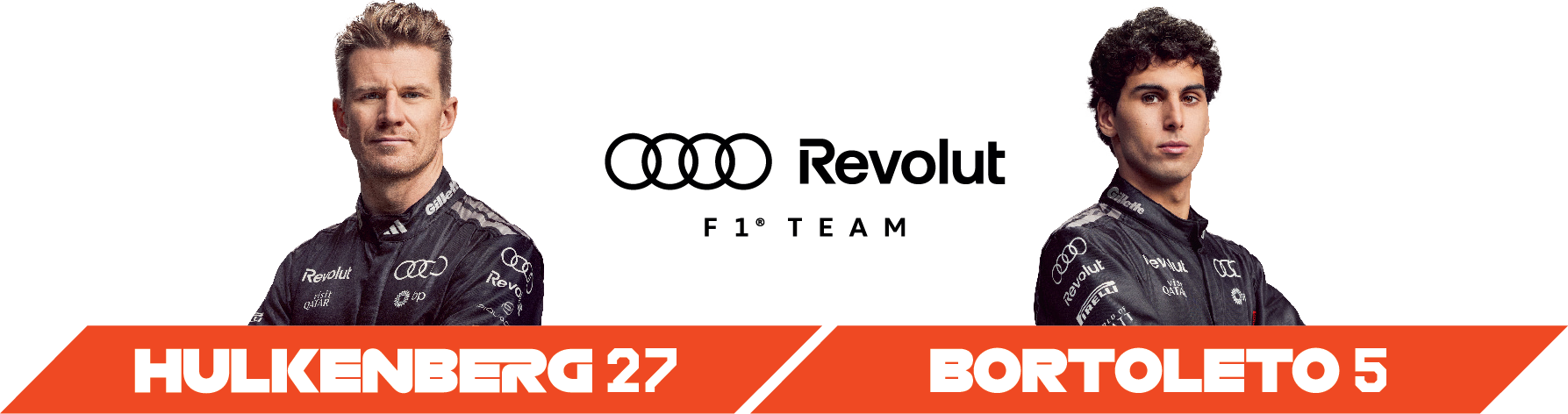
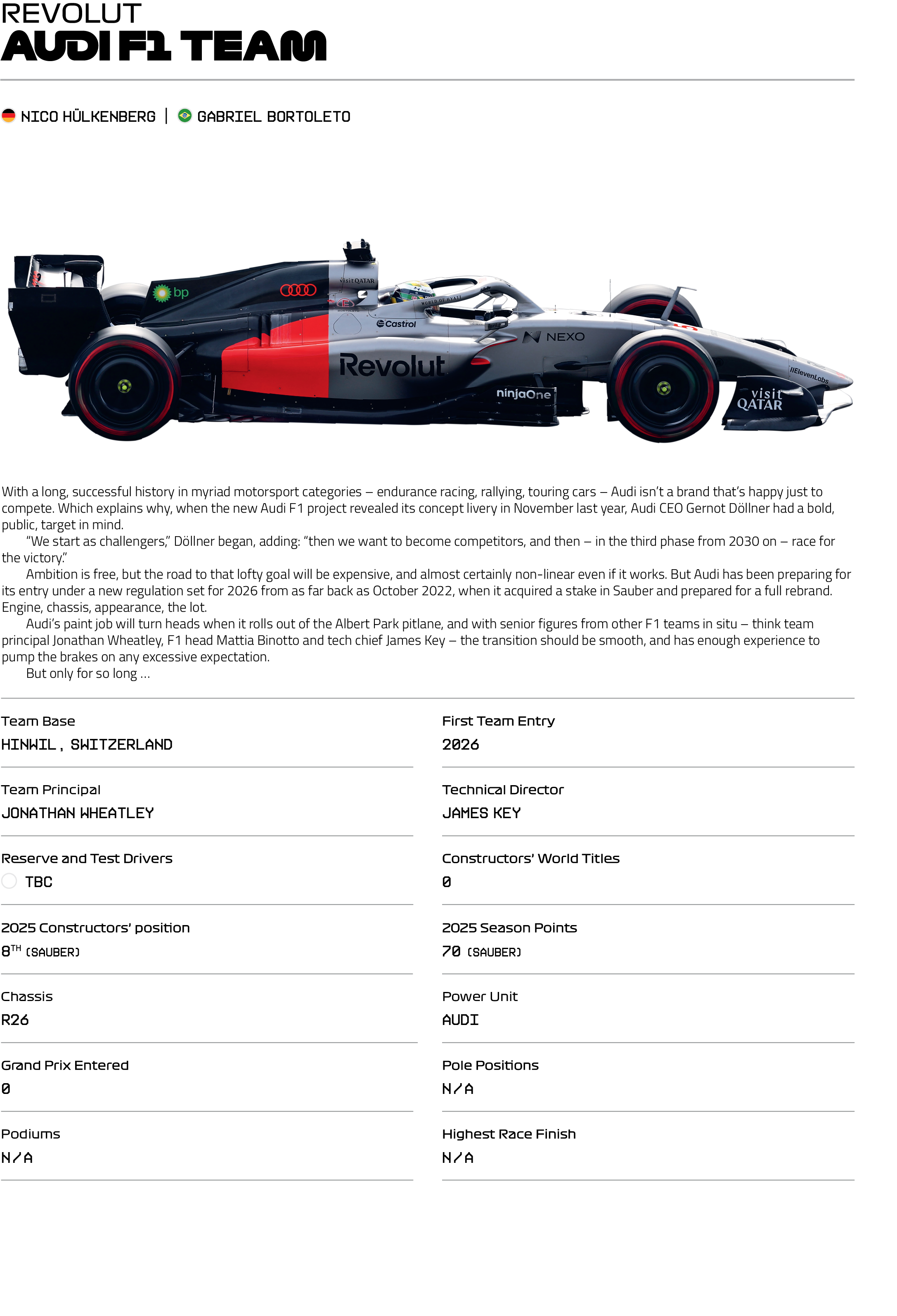
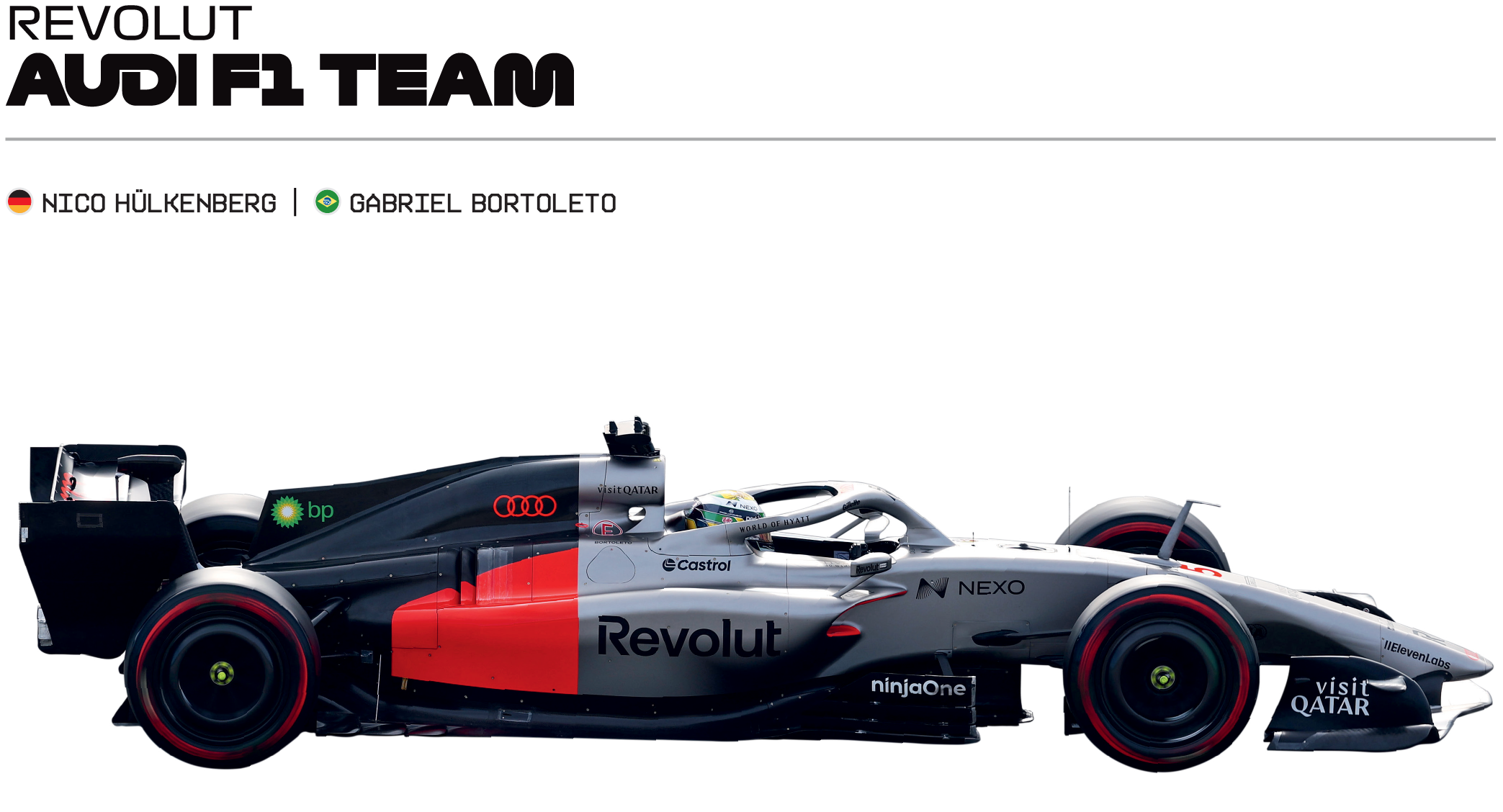
With a long, successful history in myriad motorsport categories – endurance racing, rallying, touring cars – Audi isn’t a brand that’s happy just to compete. Which explains why, when the new Audi F1 project revealed its concept livery in November last year, Audi CEO Gernot Döllner had a bold, public, target in mind.
“We start as challengers,” Döllner began, adding: “then we want to become competitors, and then – in the third phase from 2030 on – race for the victory.”
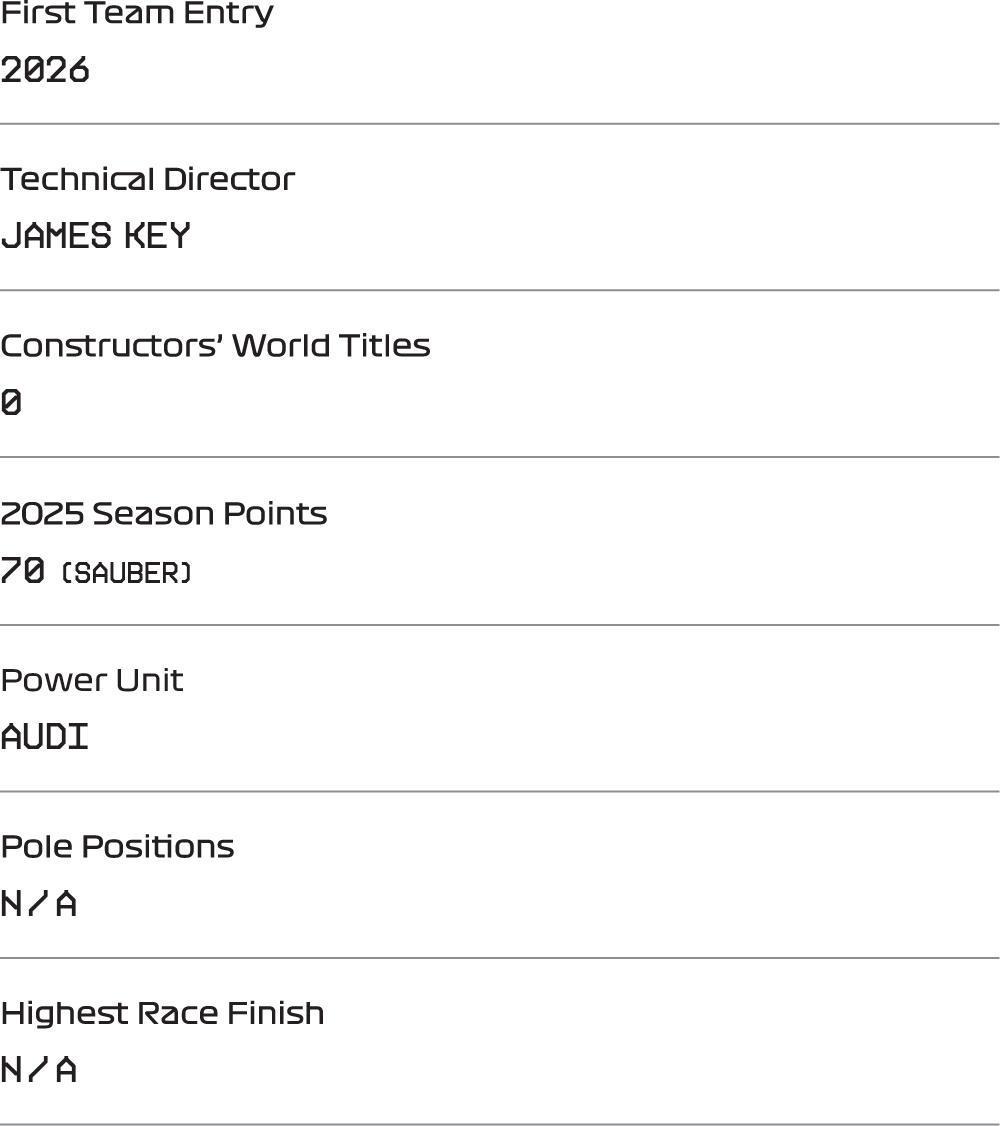
Ambition is free, but the road to that lofty goal will be expensive, and almost certainly non-linear even if it works. But Audi has been preparing for its entry under a new regulation set for 2026 from as far back as October 2022, when it acquired a stake in Sauber and prepared for a full rebrand. Engine, chassis, appearance, the lot.
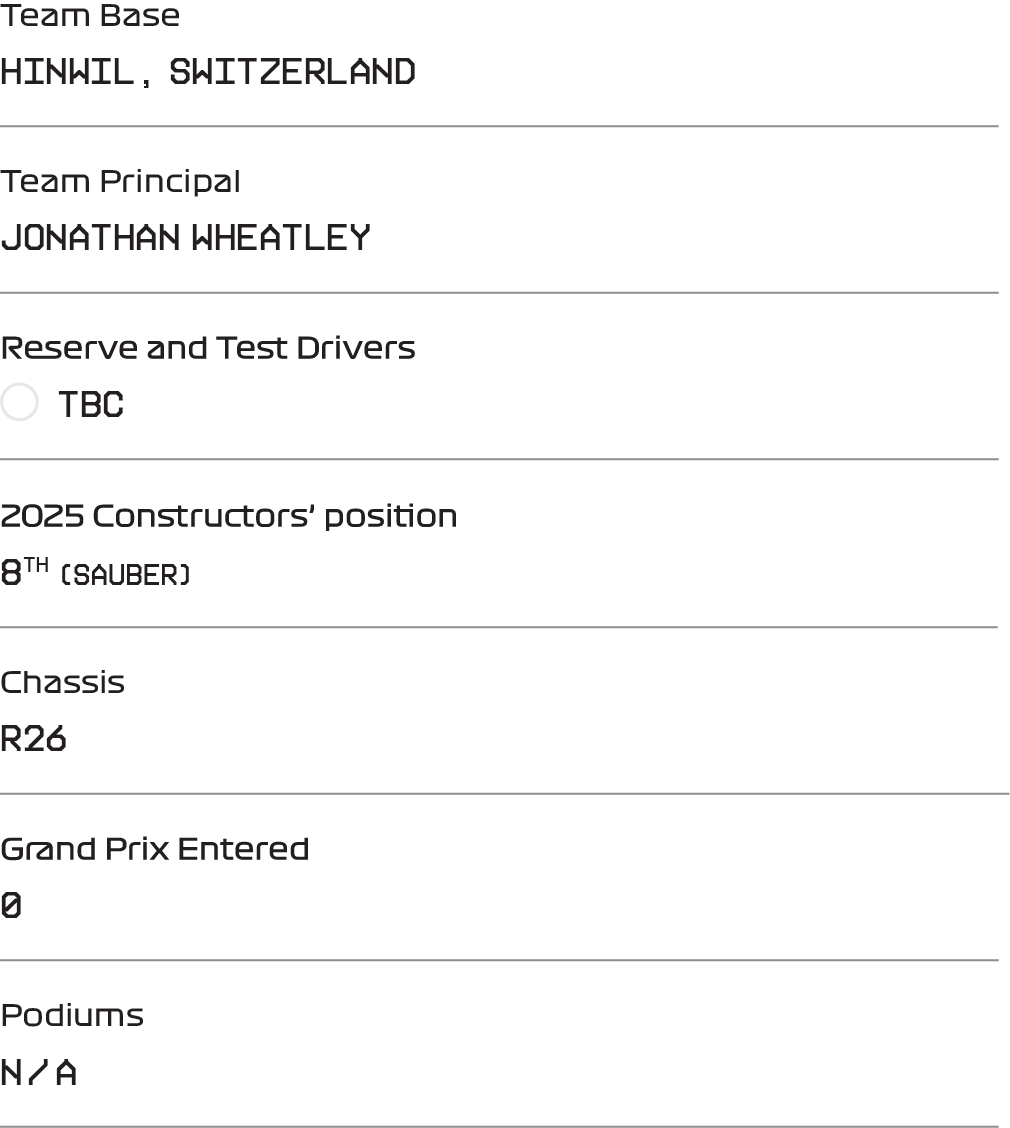
Audi’s paint job will turn heads when it rolls out of the Albert Park pitlane, and with senior figures from other F1 teams in situ – think team principal Jonathan Wheatley, F1 head Mattia Binotto and tech chief James Key – the transition should be smooth, and has enough experience to pump the brakes on any excessive expectation.
But only for so long …

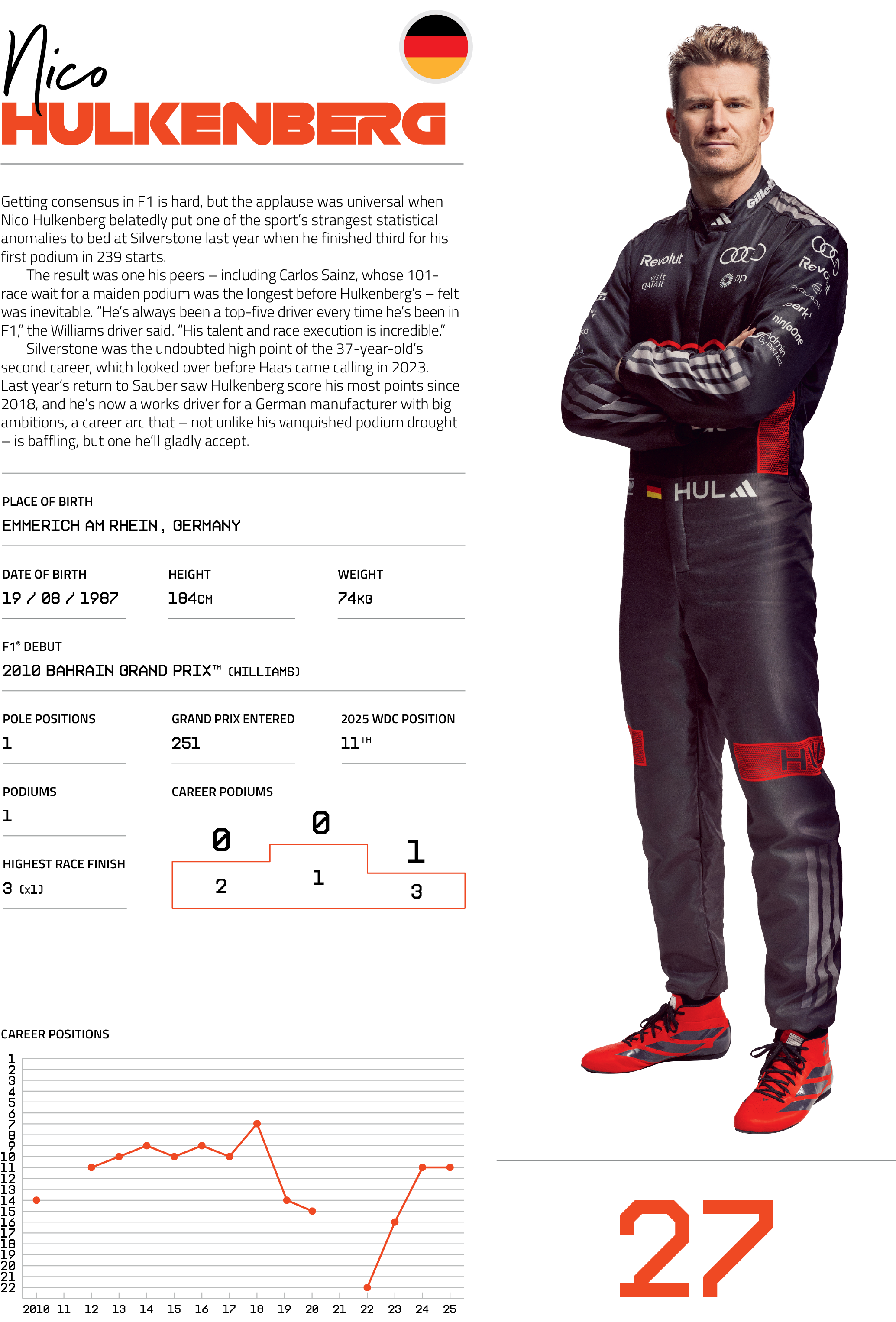
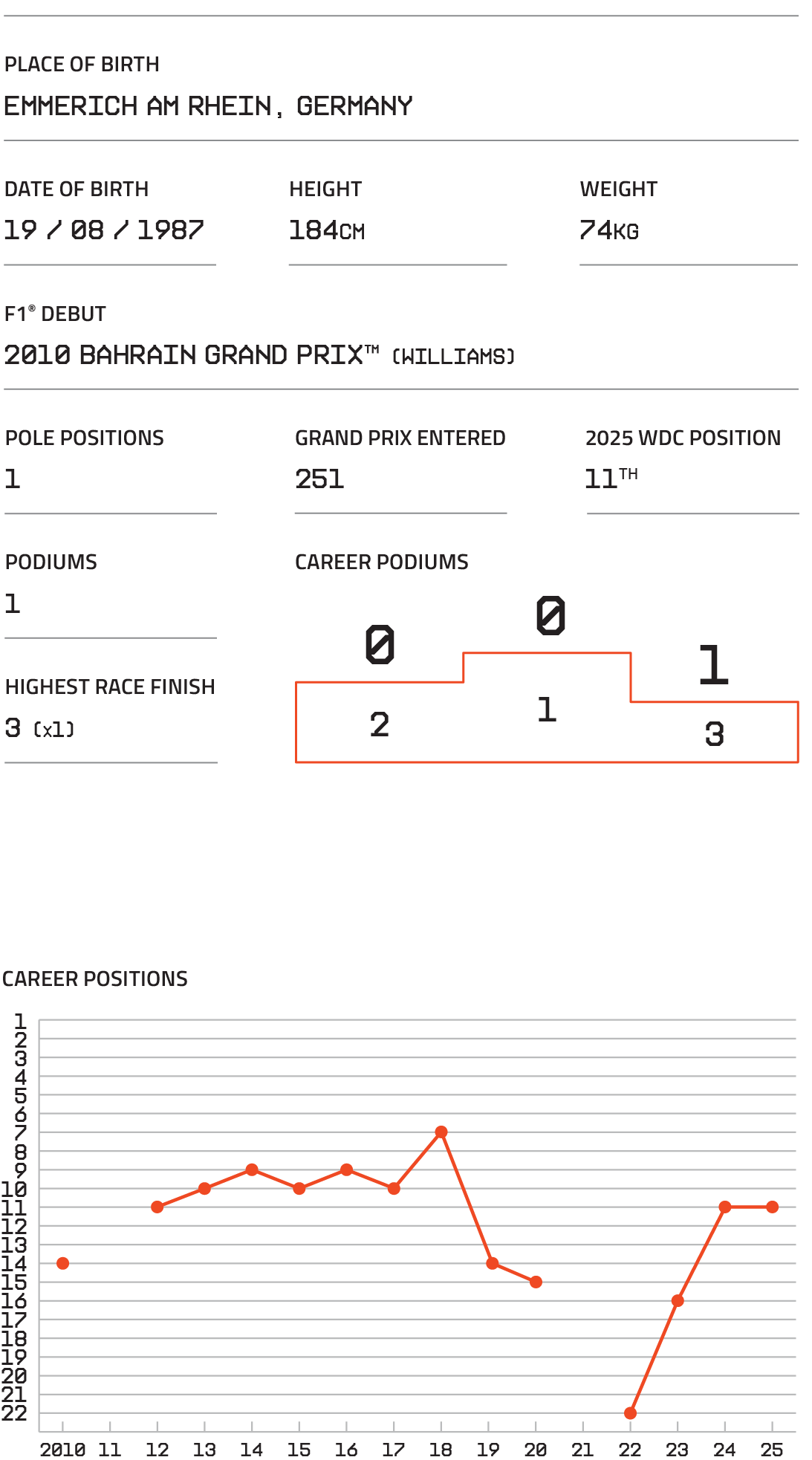
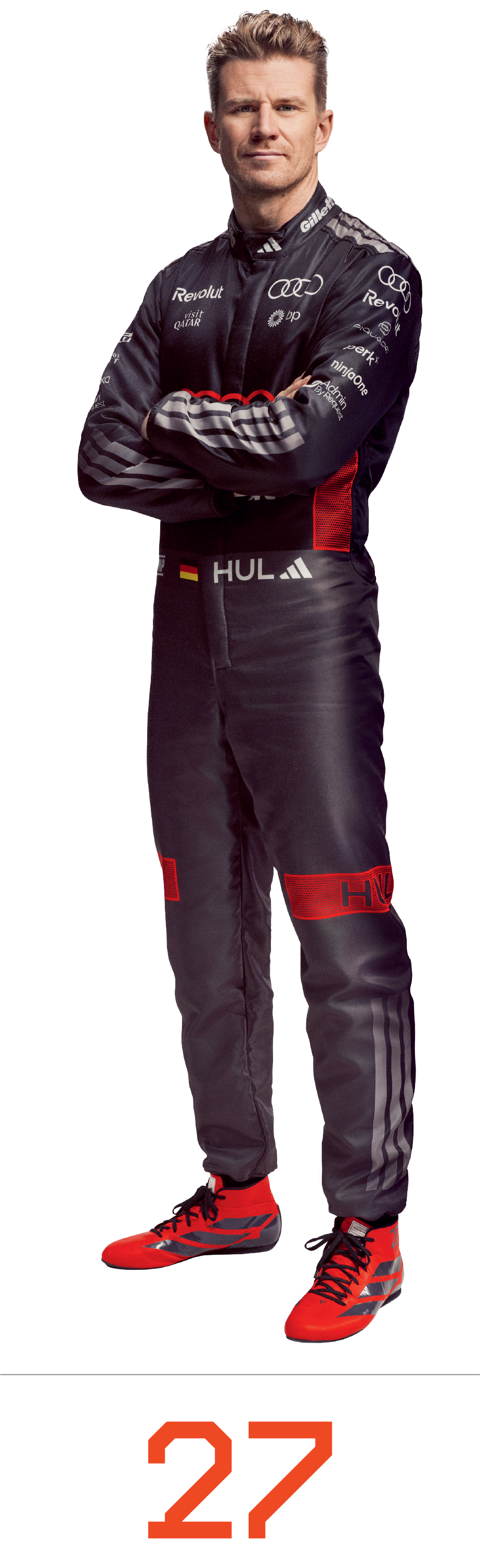
Getting consensus in F1 is hard, but the applause was universal when Nico Hulkenberg belatedly put one of the sport’s strangest statistical anomalies to bed at Silverstone last year when he finished third for his first podium in 239 starts.
The result was one his peers – including Carlos Sainz, whose 101- race wait for a maiden podium was the longest before Hulkenberg’s – felt was inevitable. “He’s always been a top-five driver every time he’s been in F1,” the Williams driver said. “His talent and race execution is incredible.”
Silverstone was the undoubted high point of the 37-year-old’s second career, which looked over before Haas came calling in 2023. Last year’s return to Sauber saw Hulkenberg score his most points since 2018, and he’s now a works driver for a German manufacturer with big ambitions, a career arc that – not unlike his vanquished podium drought – is baffling, but one he’ll gladly accept.

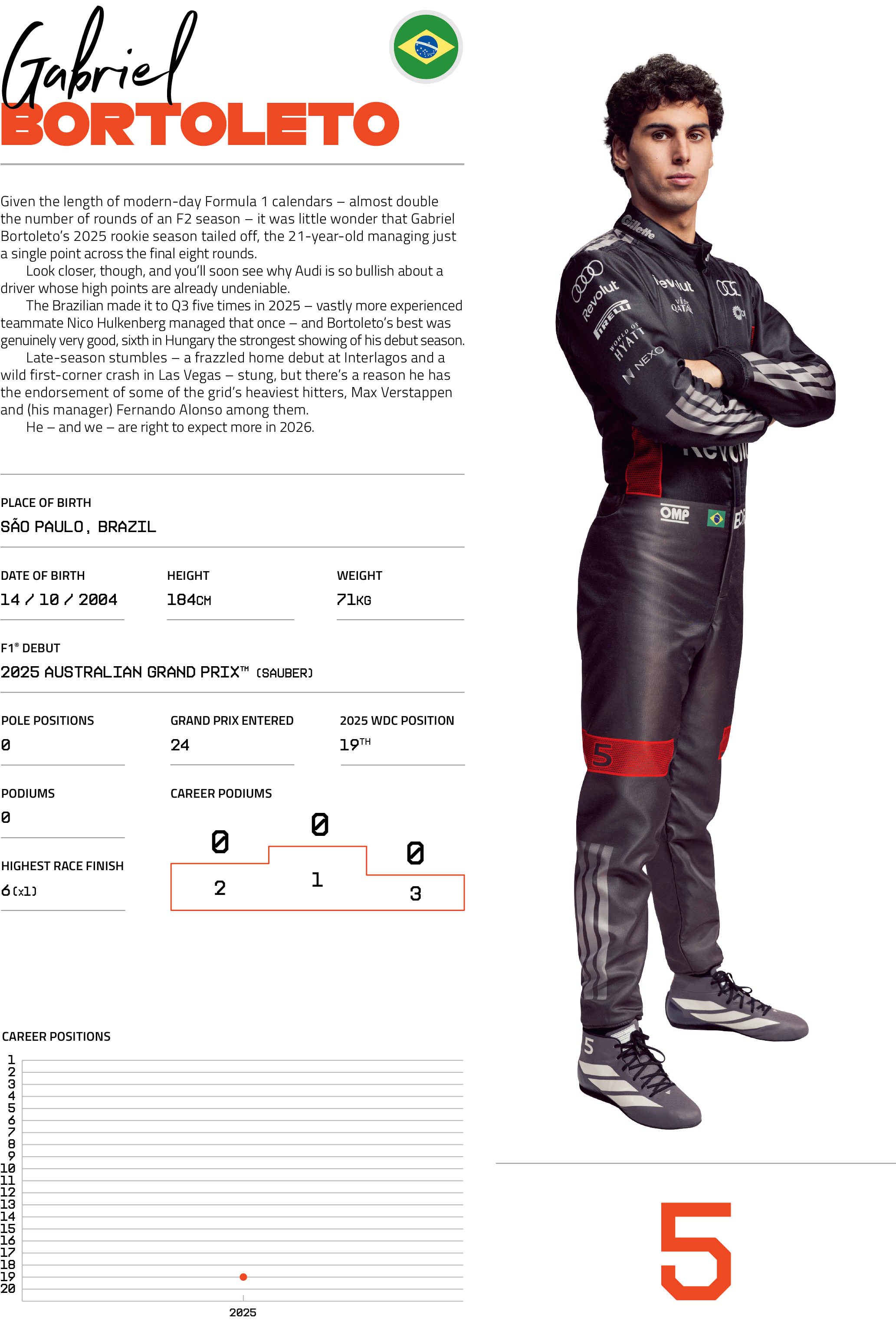
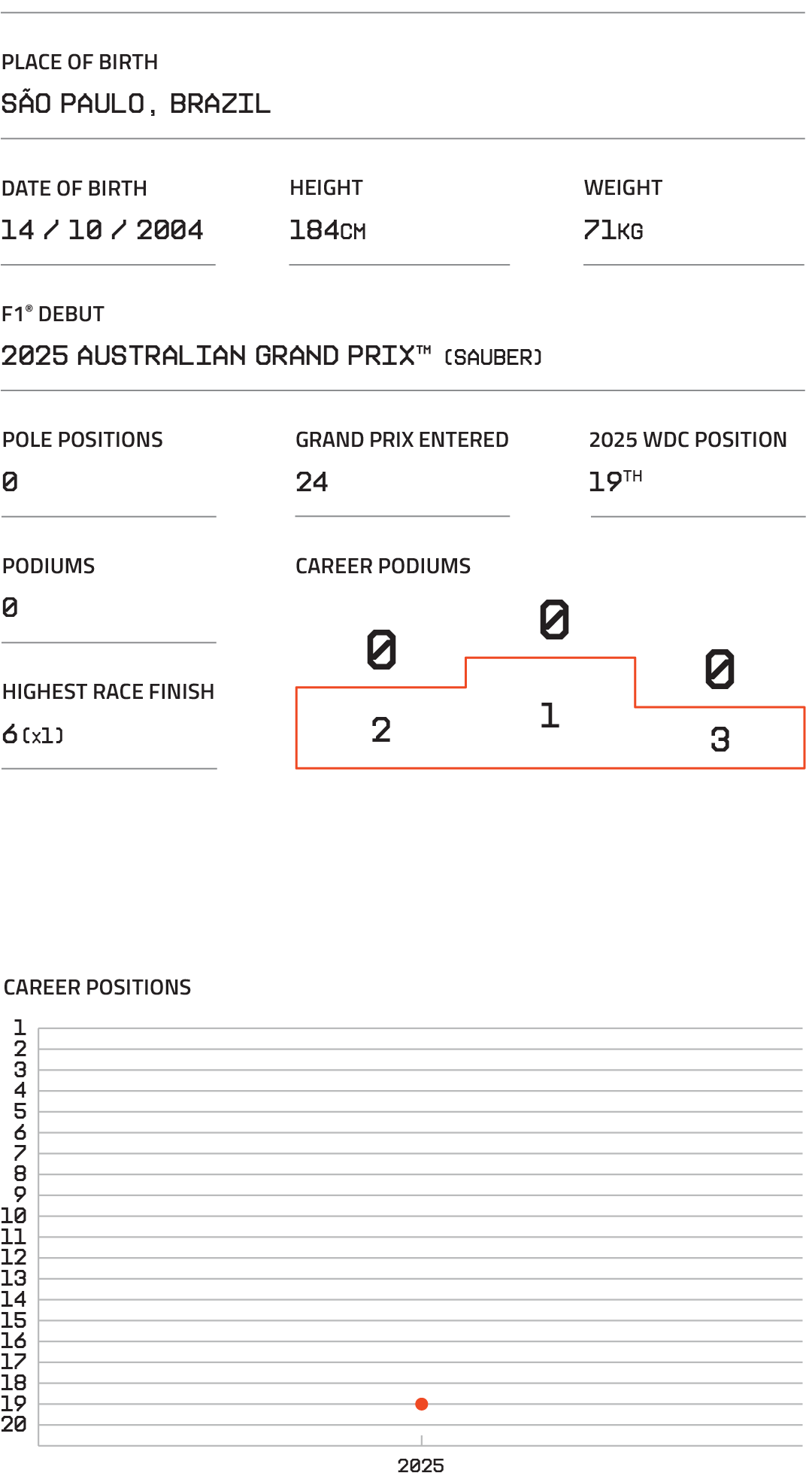
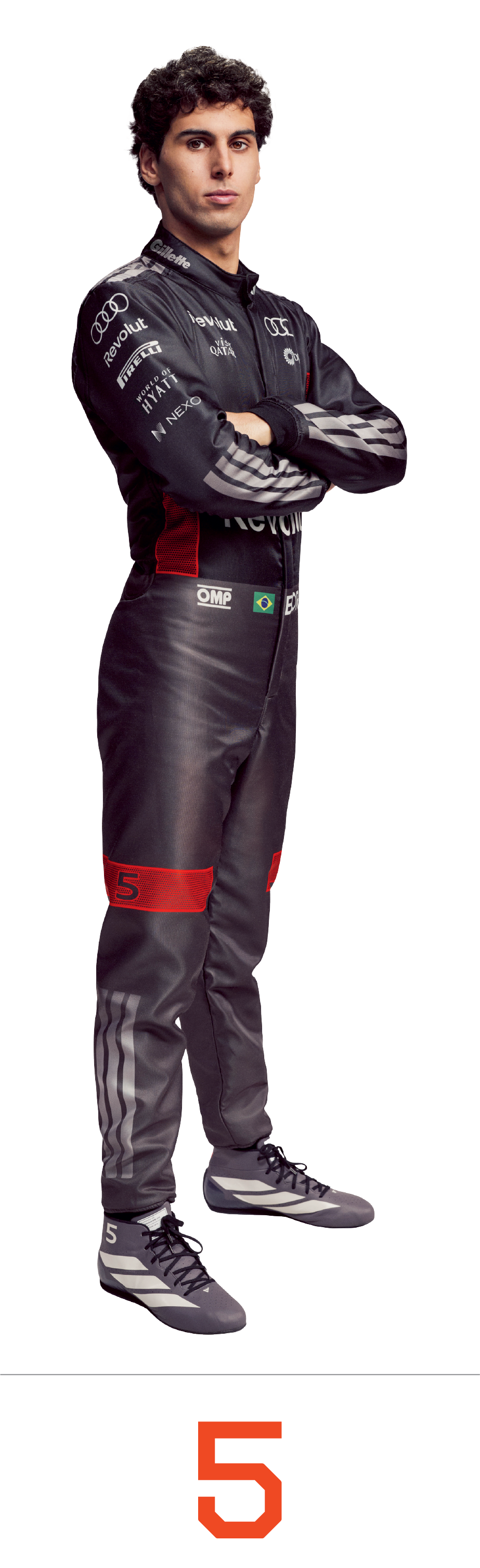
Given the length of modern-day Formula 1 calendars – almost double the number of rounds of an F2 season – it was little wonder that Gabriel Bortoleto’s 2025 rookie season tailed off, the 21-year-old managing just a single point across the final eight rounds.
Look closer, though, and you’ll soon see why Audi is so bullish about a driver whose high points are already undeniable.
The Brazilian made it to Q3 five times in 2025 – vastly more experienced teammate Nico Hulkenberg managed that once – and Bortoleto’s best was genuinely very good, sixth in Hungary the strongest showing of his debut season.
Late-season stumbles – a frazzled home debut at Interlagos and a wild first-corner crash in Las Vegas – stung, but there’s a reason he has the endorsement of some of the grid’s heaviest hitters, Max Verstappen and (his manager) Fernando Alonso among them.
He – and we – are right to expect more in 2026.
CLOSE
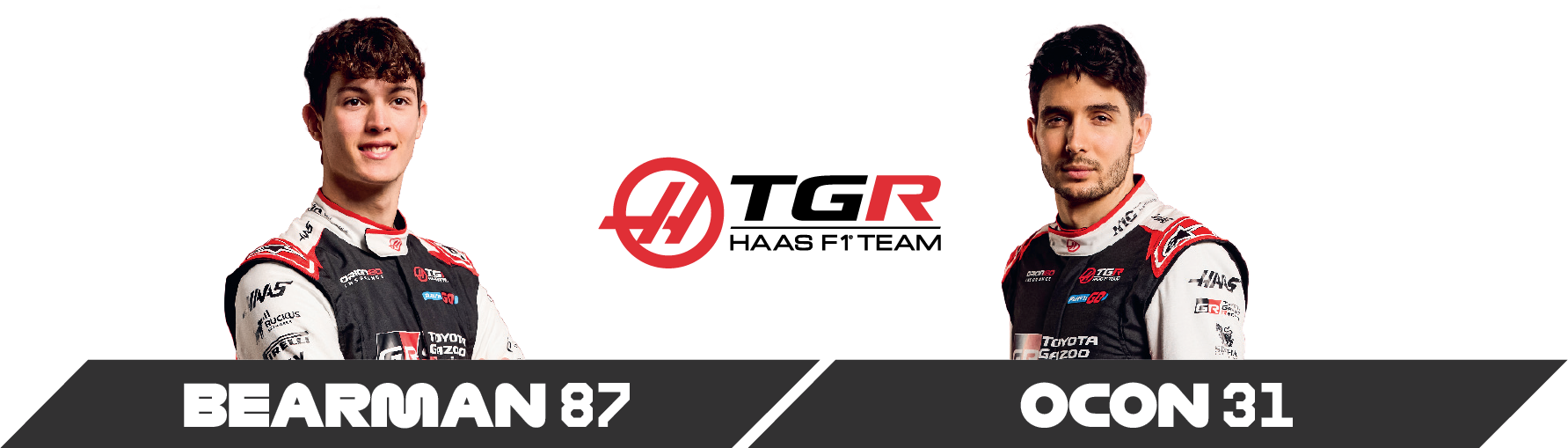
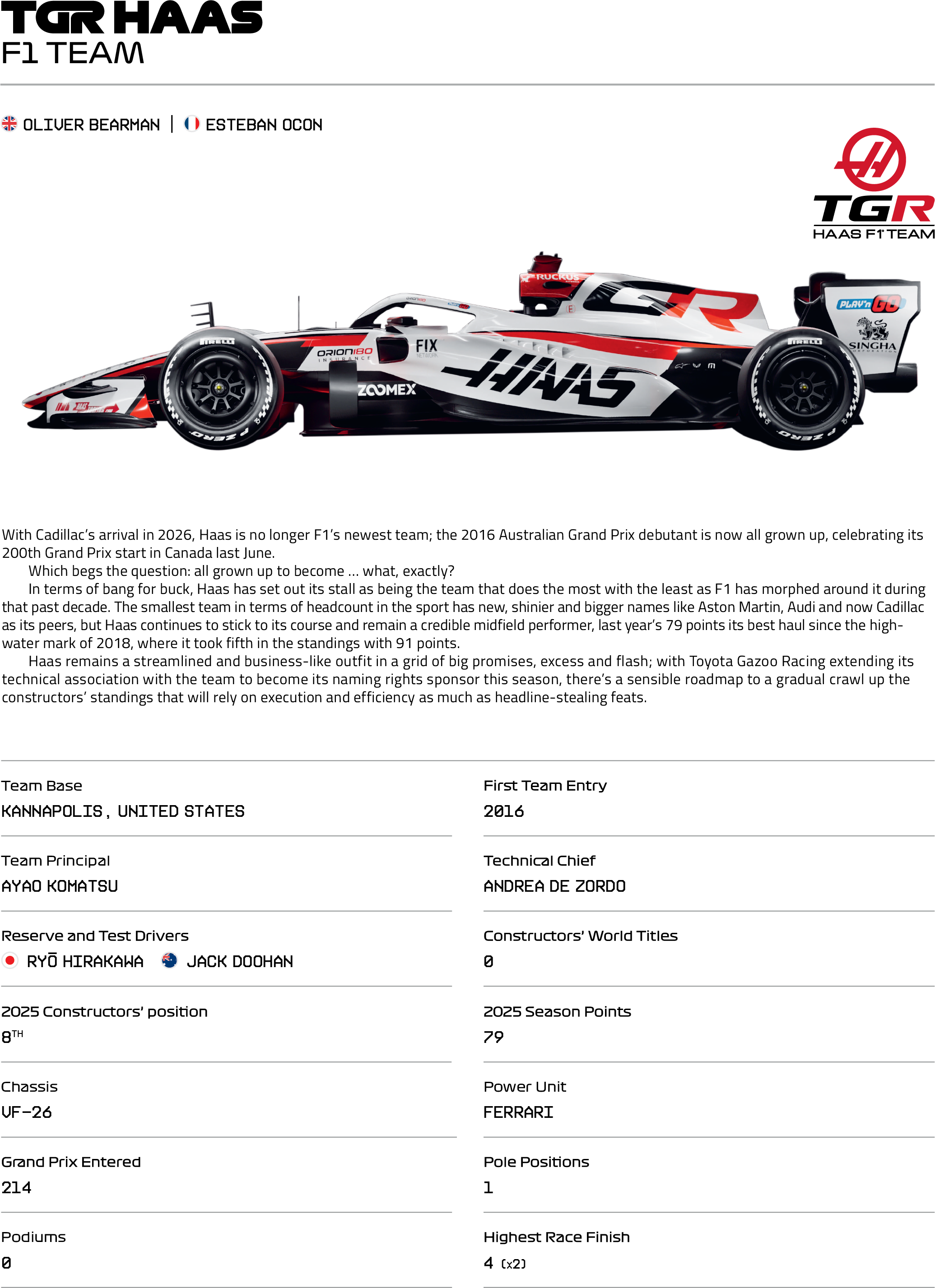
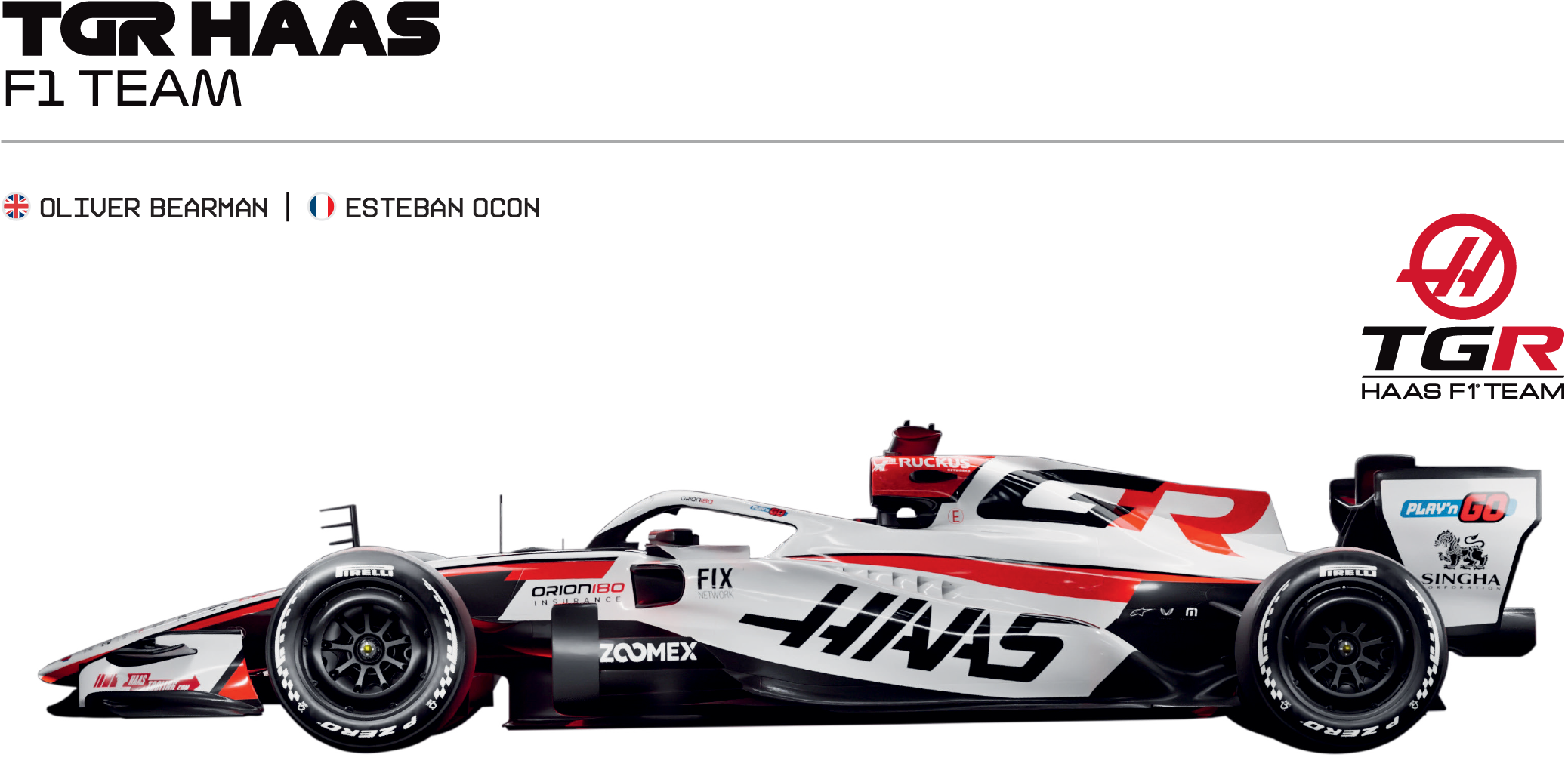
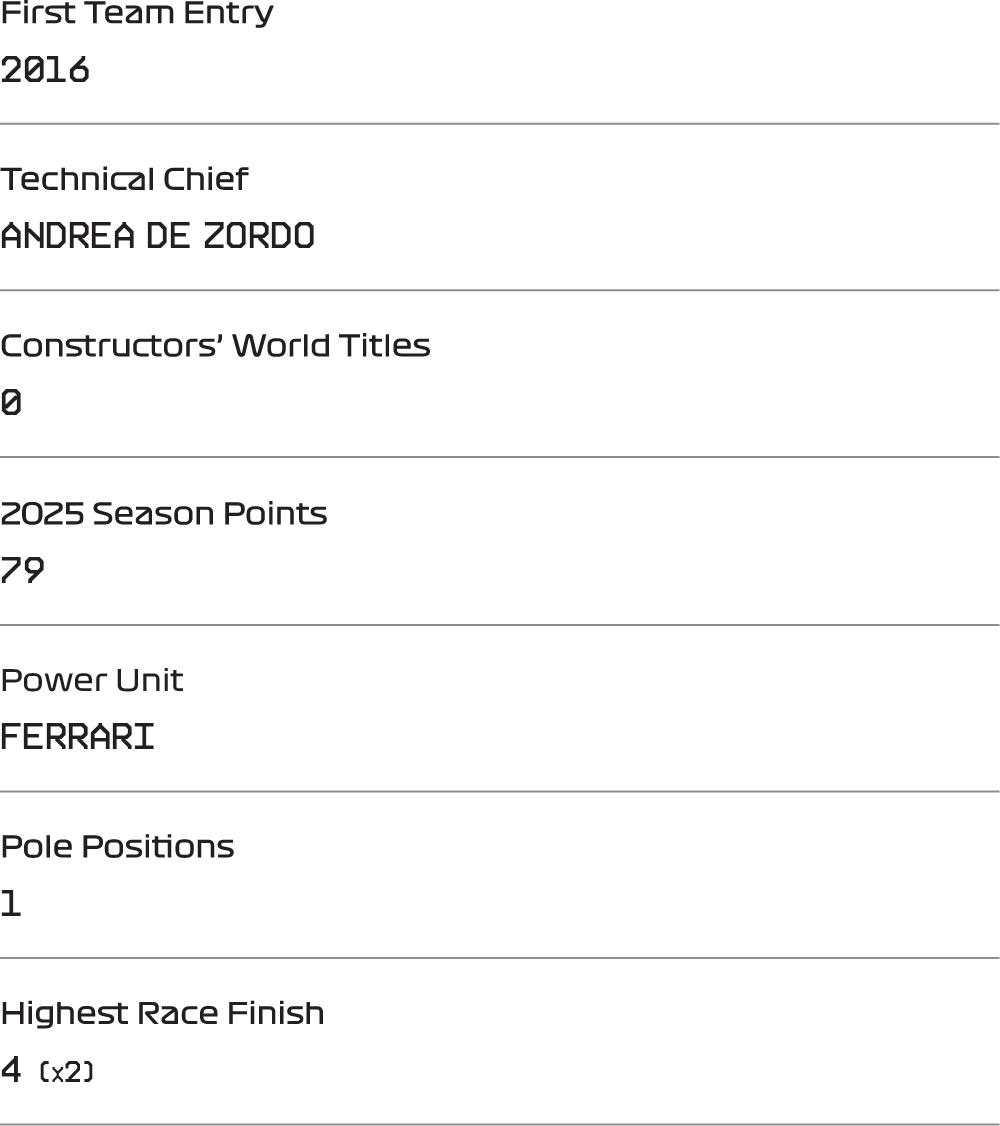
With Cadillac’s arrival in 2026, Haas is no longer F1’s newest team; the 2016 Australian Grand Prix debutant is now all grown up, celebrating its 200th Grand Prix start in Canada last June.
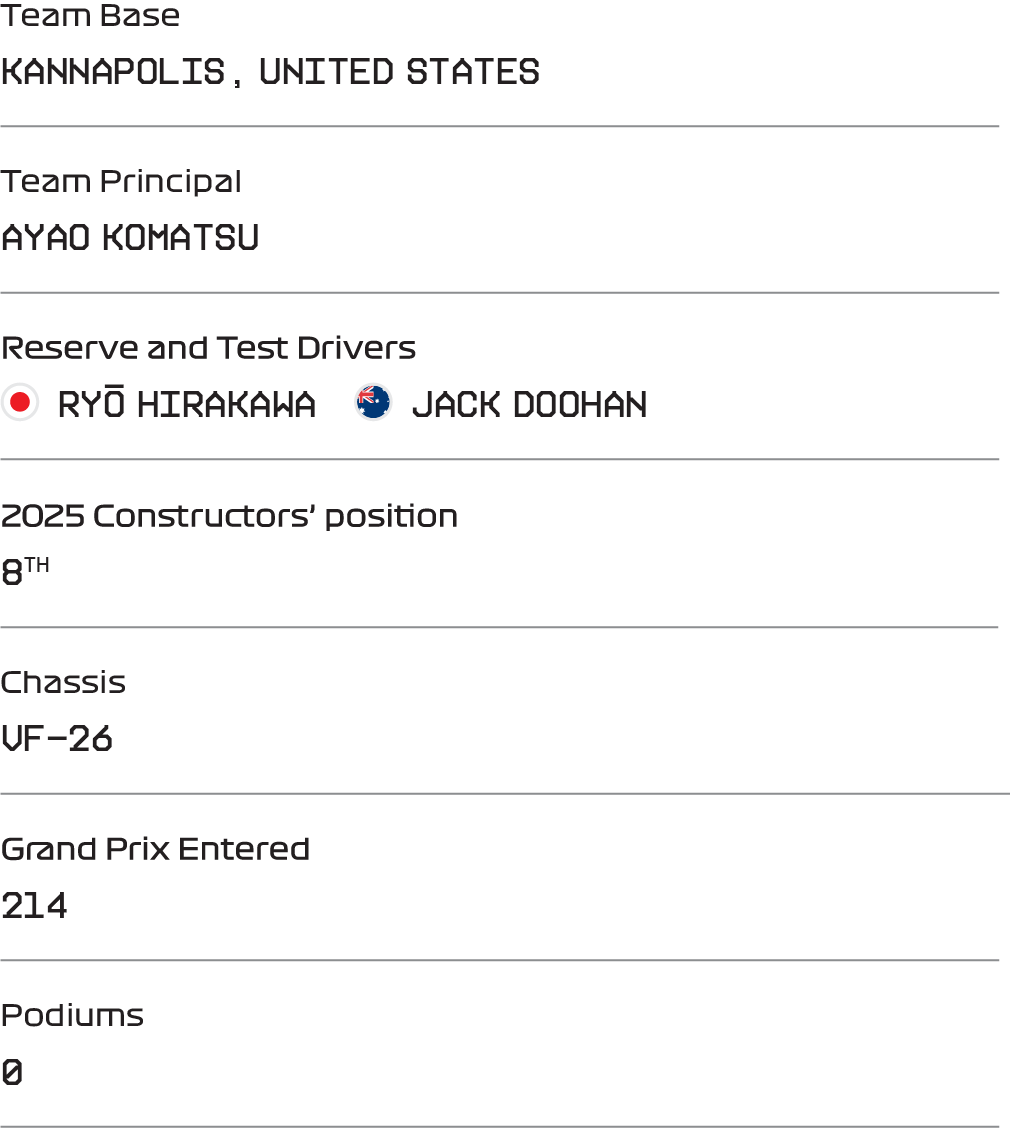
Which begs the question: all grown up to become … what, exactly? In terms of bang for buck, Haas has set out its stall as being the team that does the most with the least as F1 has morphed around it during that past decade. The smallest team in terms of headcount in the sport has new, shinier and bigger names like Aston Martin, Audi and now Cadillac as its peers, but Haas continues to stick to its course and remain a credible midfield performer, last year’s 79 points its best haul since the high-water mark of 2018, where it took fifth in the standings with 91 points.
Haas remains a streamlined and business-like outfit in a grid of big promises, excess and flash; with Toyota Gazoo Racing extending its technical association with the team to become its naming rights sponsor this season, there’s a sensible roadmap to a gradual crawl up the constructors’ standings that will rely on execution and efficiency as much as headline-stealing feats.

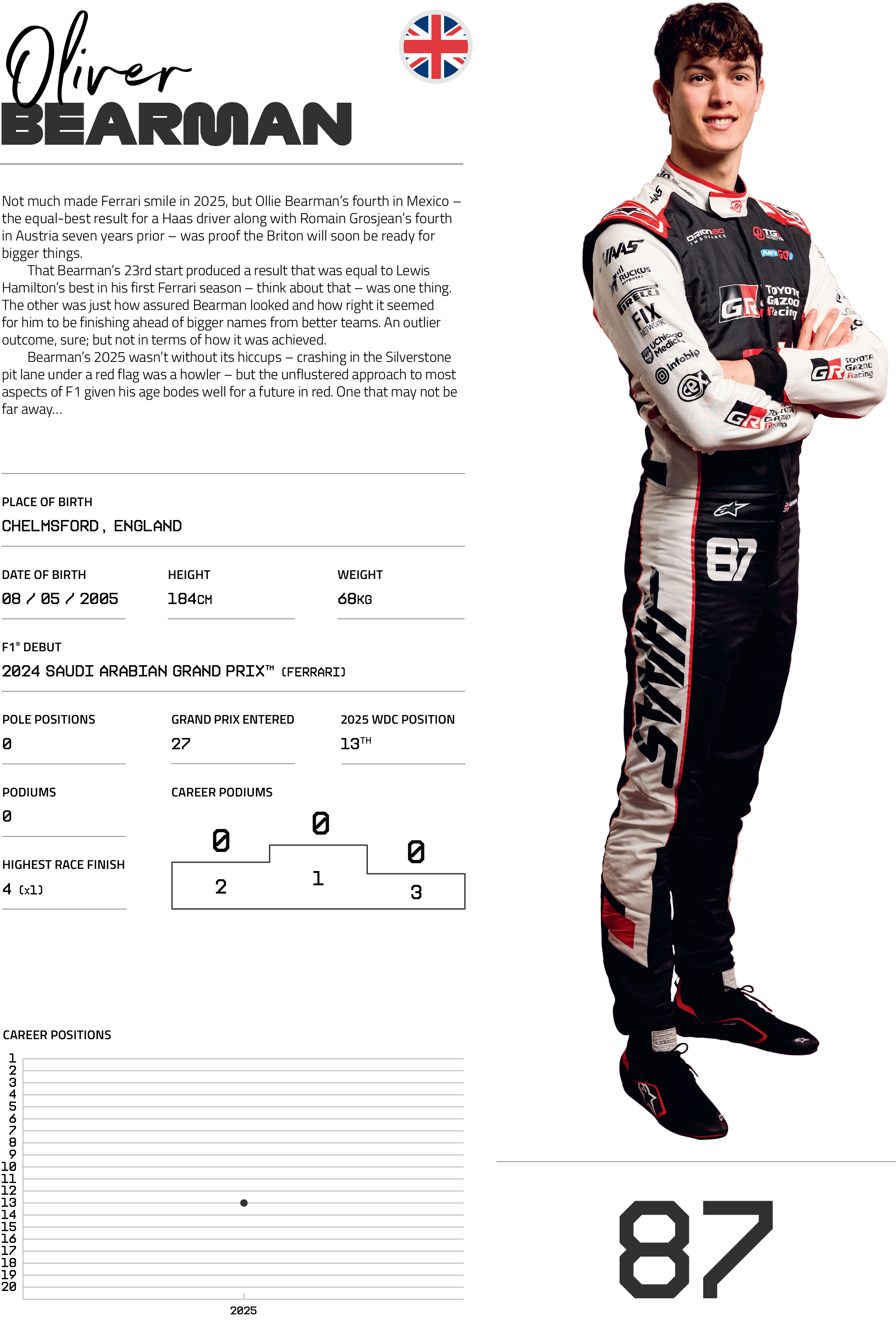
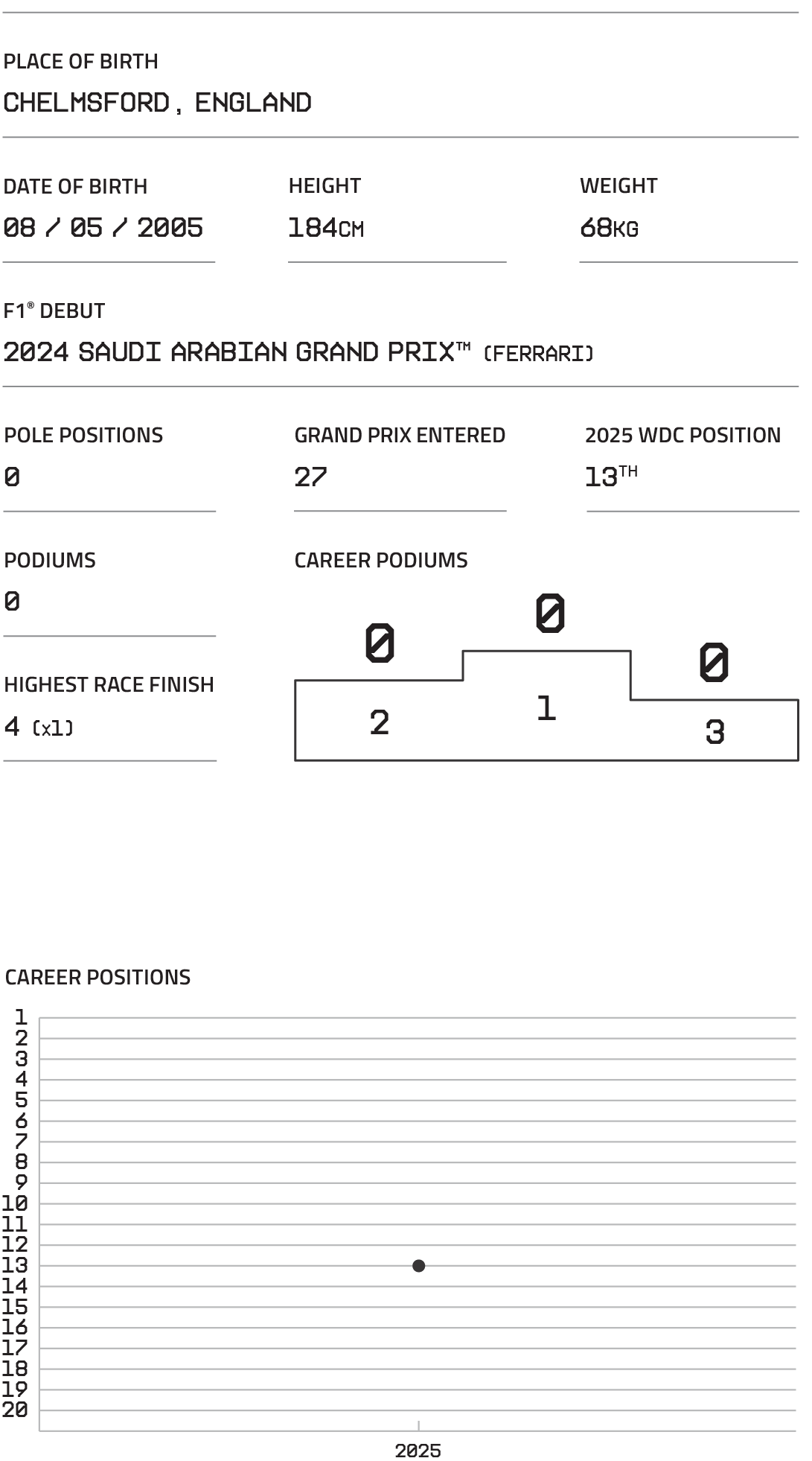
Not much made Ferrari smile in 2025, but Ollie Bearman’s fourth in Mexico –the equal-best result for a Haas driver along with Romain Grosjean’s fourth
in Austria seven years prior – was proof the Briton will soon be ready for bigger things.
That Bearman’s 23rd start produced a result that was equal to Lewis Hamilton’s best in his first Ferrari season – think about that – was one thing. The other was just how assured Bearman looked and how right it seemed for him to be finishing ahead of bigger names from better teams. An outlier outcome, sure; but not in terms of how it was achieved.
Bearman’s 2025 wasn’t without its hiccups – crashing in the Silverstone pit lane under a red flag was a howler – but the unflustered approach to most aspects of F1 given his age bodes well for a future in red. One that may not be far away…
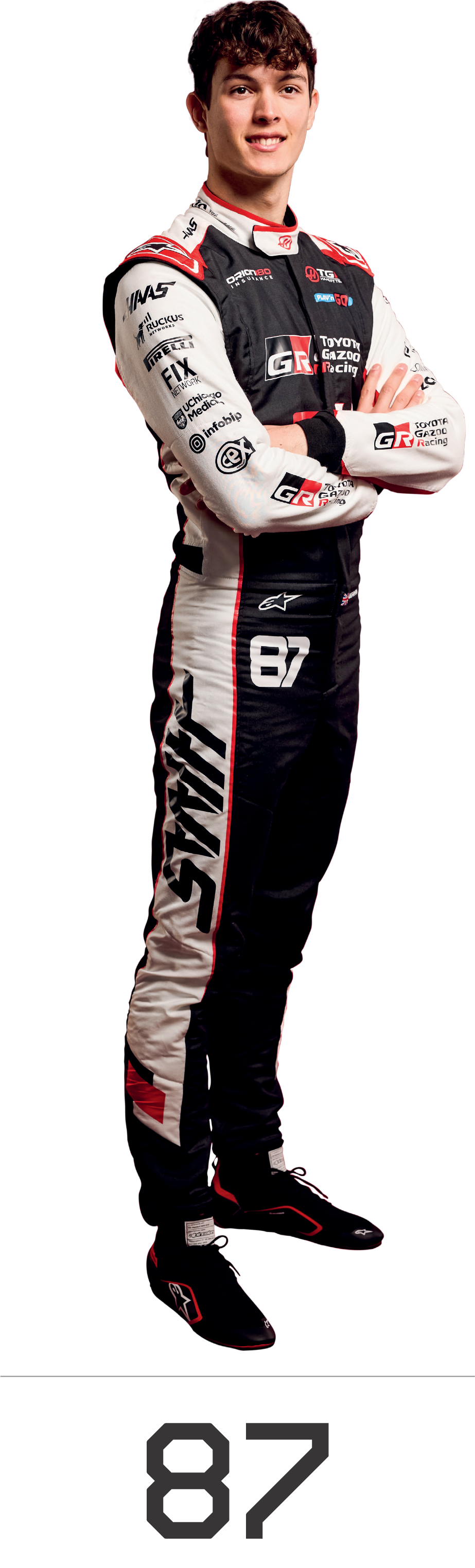

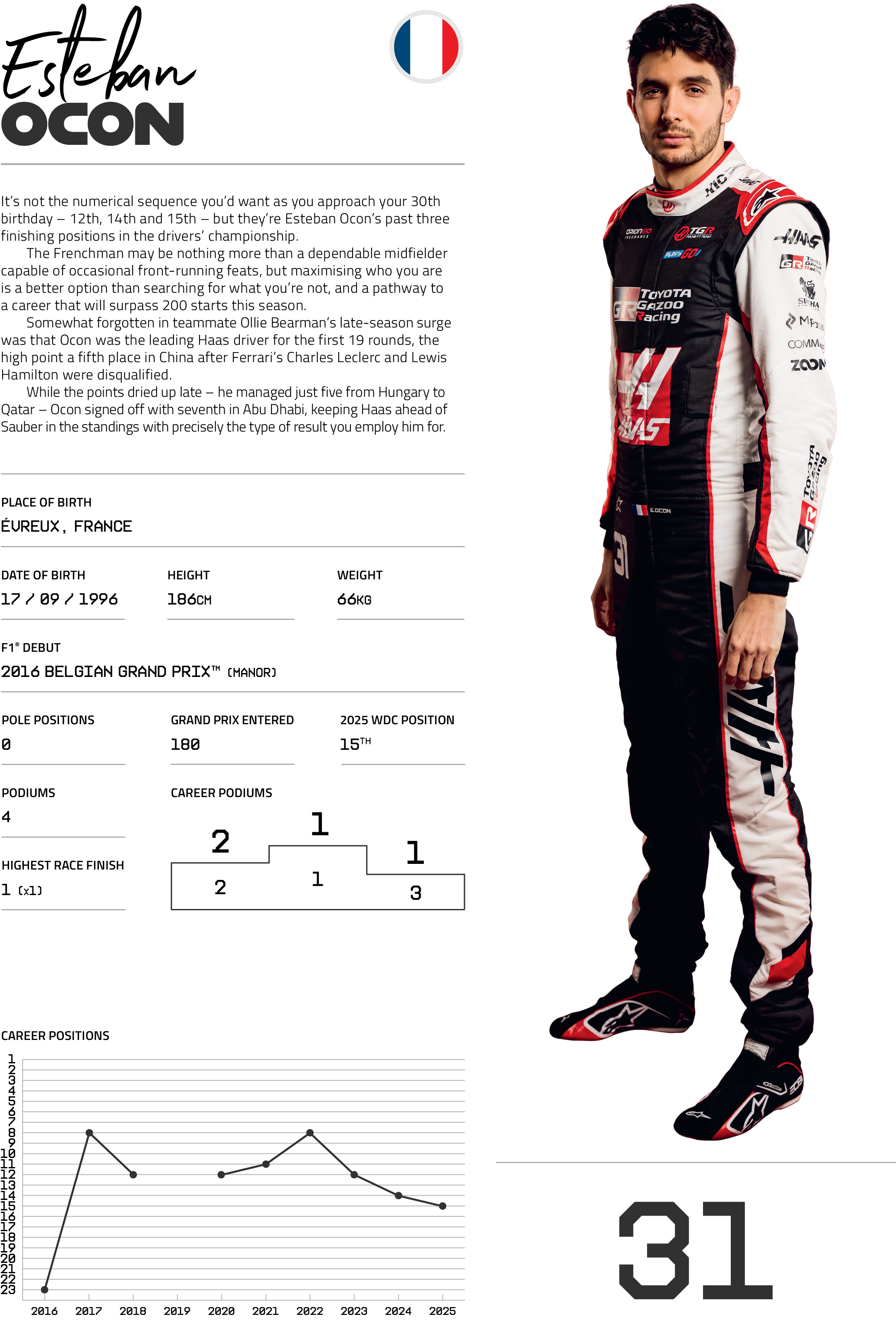
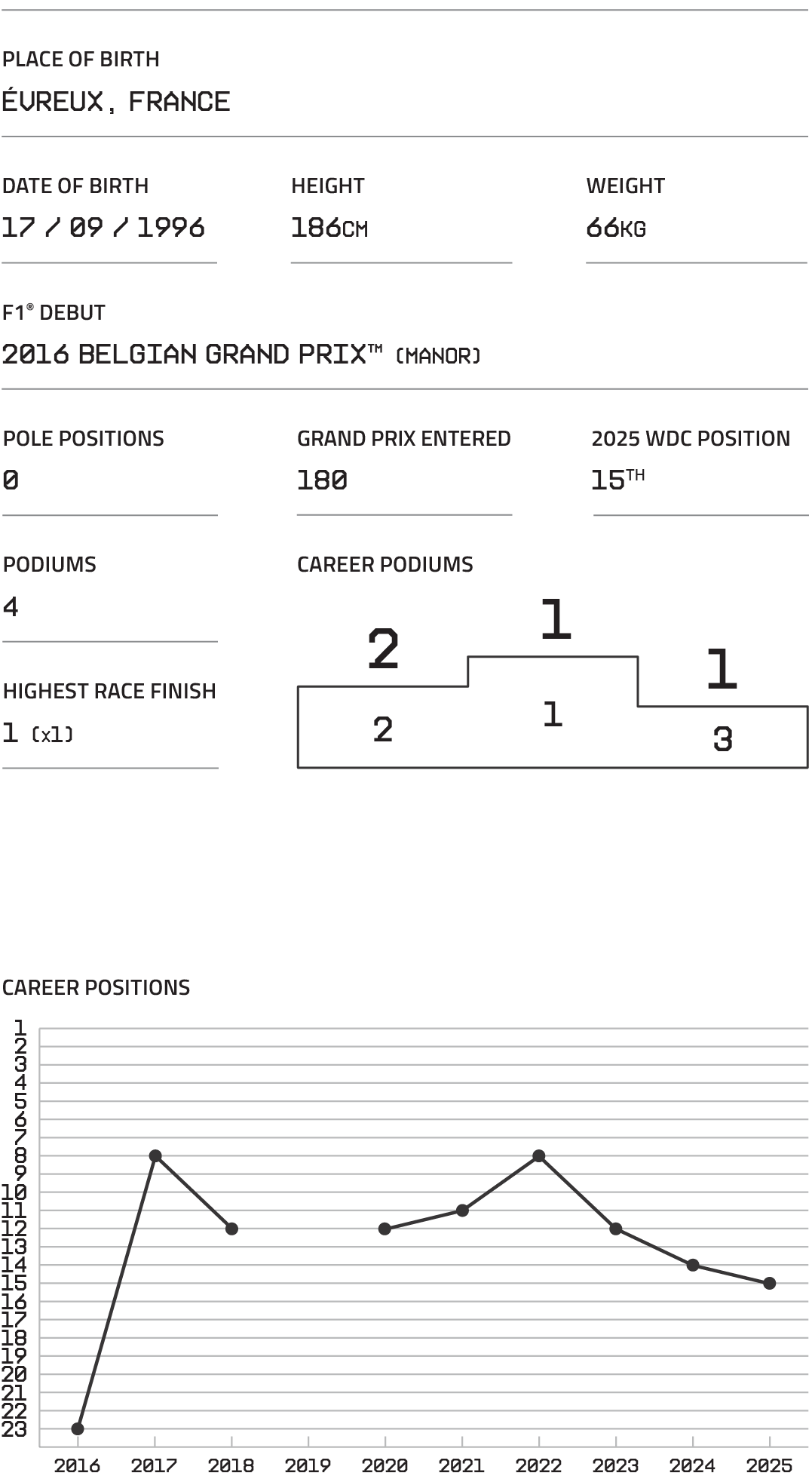
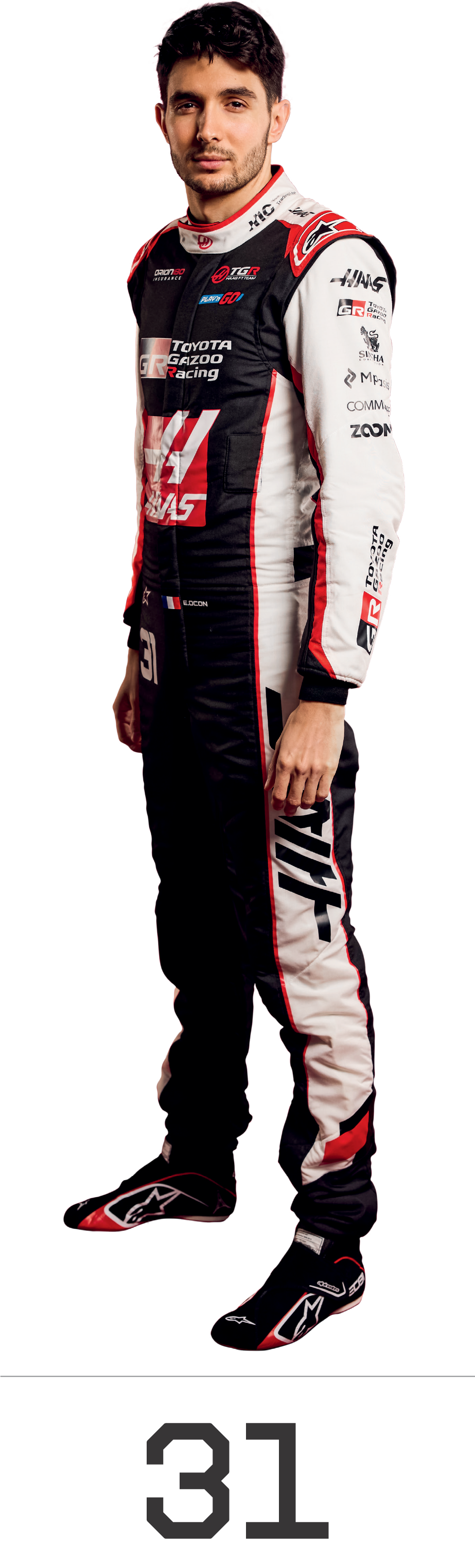
It’s not the numerical sequence you’d want as you approach your 30th birthday – 12th, 14th and 15th – but they’re Esteban Ocon’s past three finishing positions in the drivers’ championship.
The Frenchman may be nothing more than a dependable midfielder capable of occasional front-running feats, but maximising who you are is a better option than searching for what you’re not, and a pathway to a career that will surpass 200 starts this season.
Somewhat forgotten in teammate Ollie Bearman’s late-season surge was that Ocon was the leading Haas driver for the first 19 rounds, the high point a fifth place in China after Ferrari’s Charles Leclerc and Lewis Hamilton were disqualified.
While the points dried up late – he managed just five from Hungary to Qatar – Ocon signed off with seventh in Abu Dhabi, keeping Haas ahead of Sauber in the standings with precisely the type of result you employ him for.
CLOSE
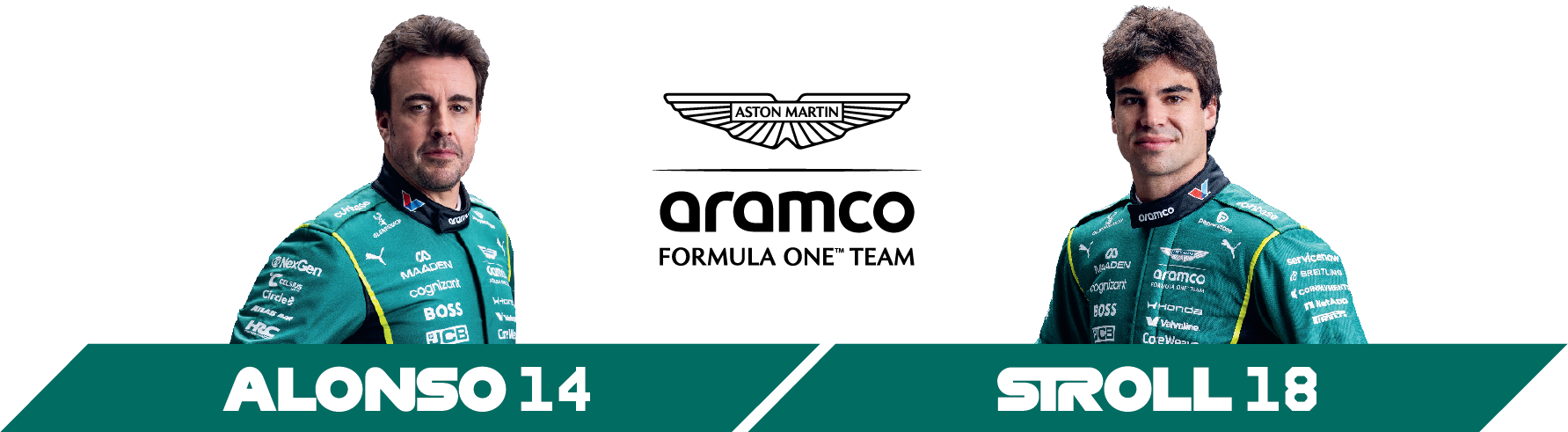
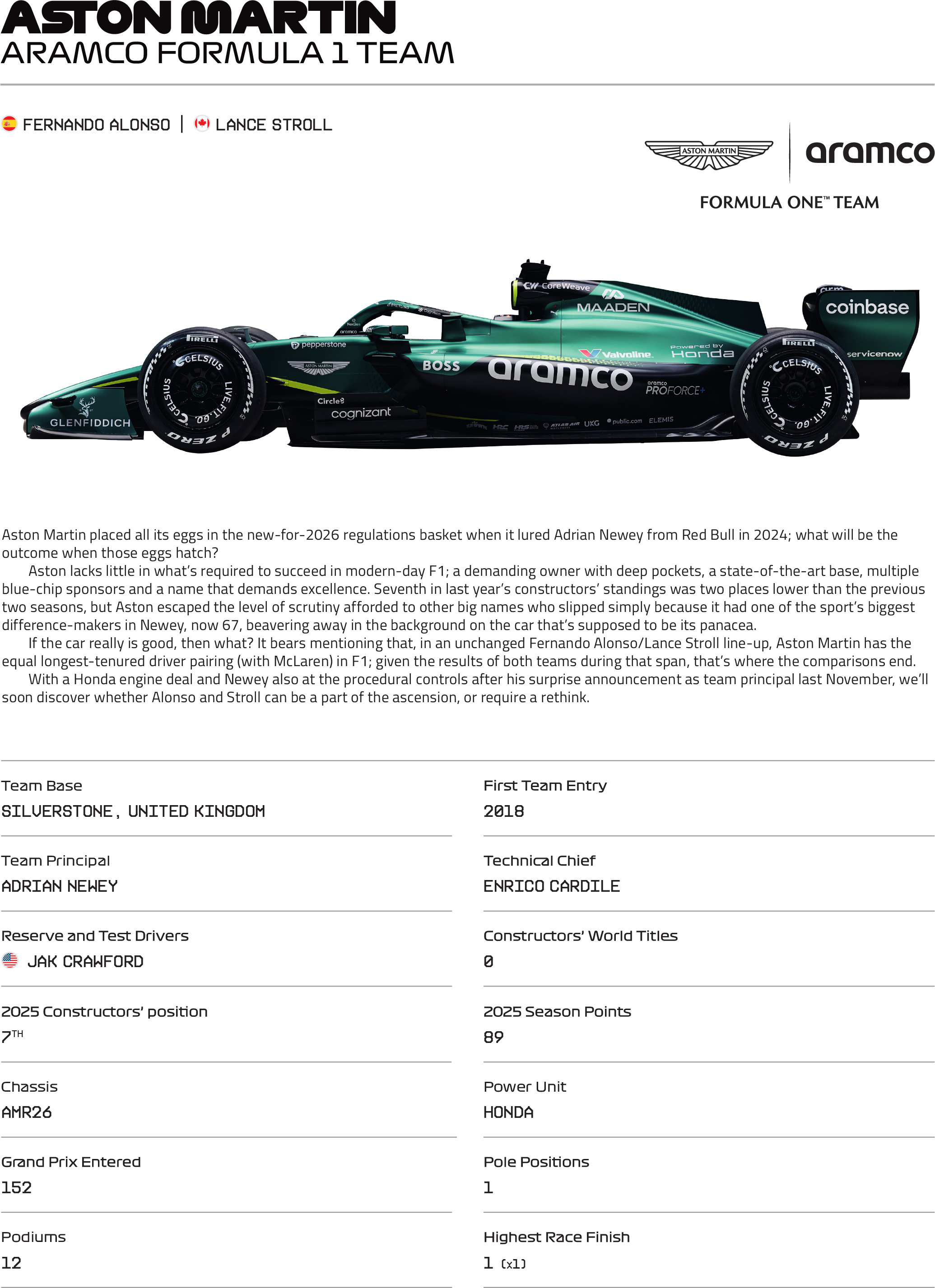
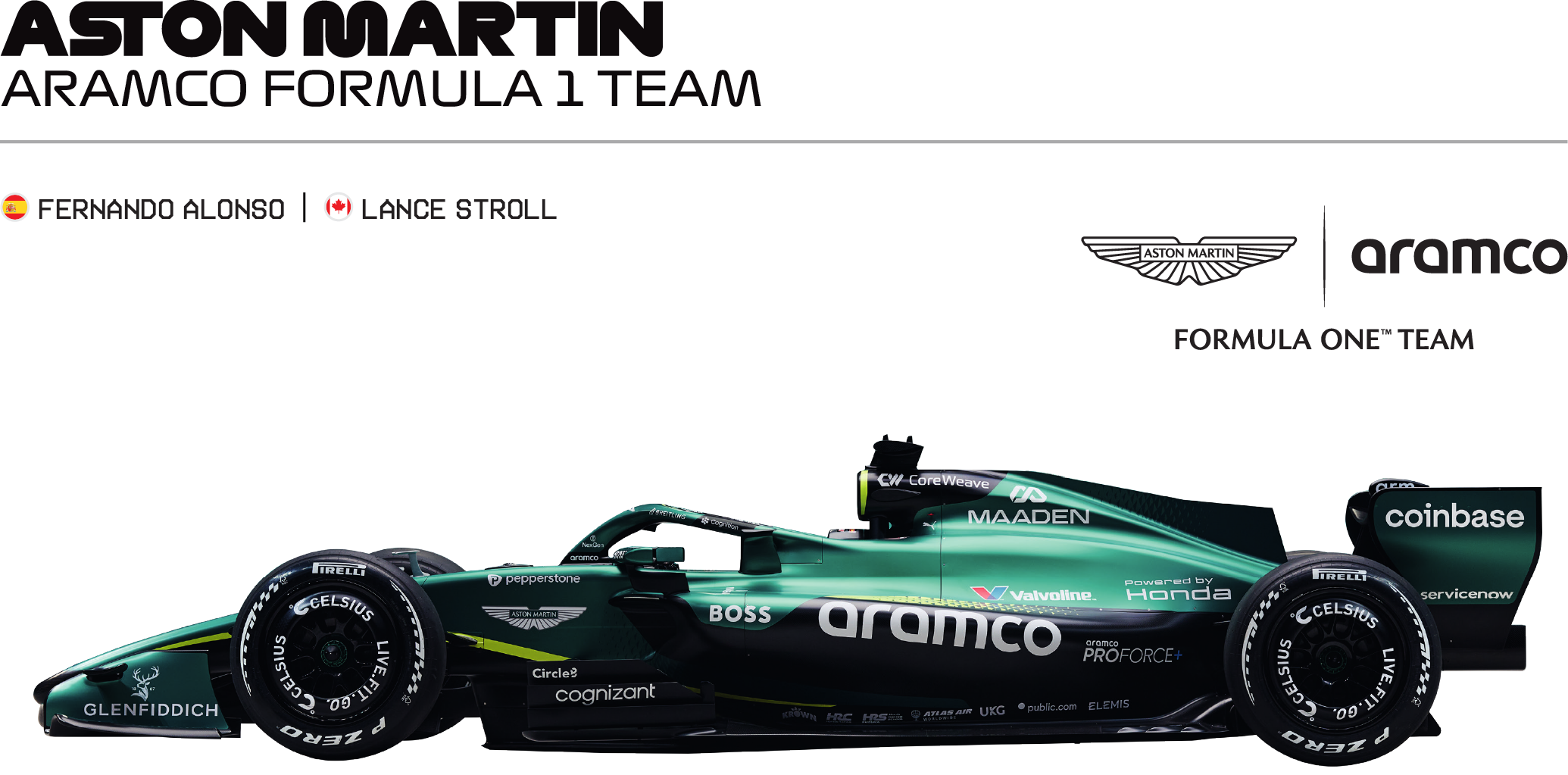
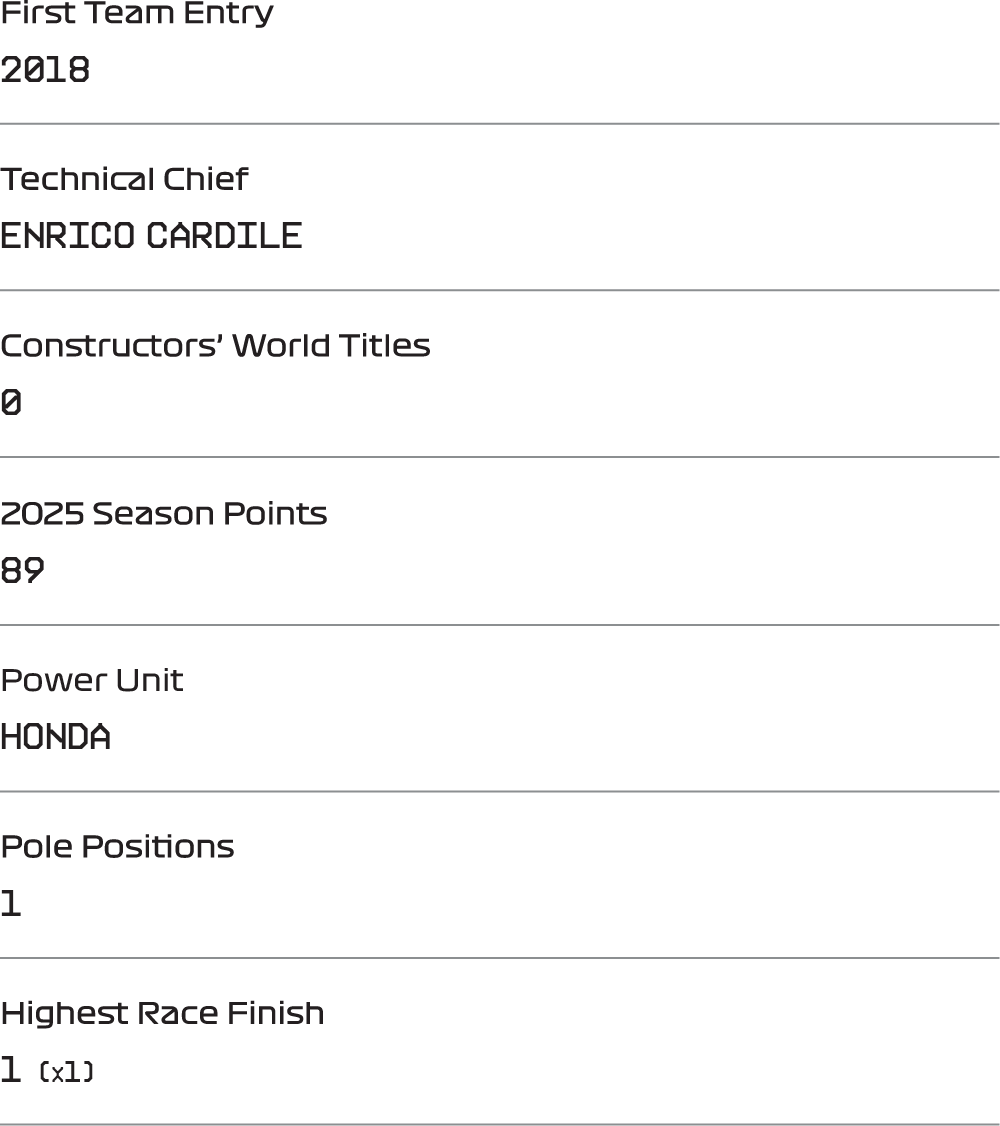
Aston Martin placed all its eggs in the new-for-2026 regulations basket when it lured Adrian Newey from Red Bull in 2024; what will be the outcome when those eggs hatch?
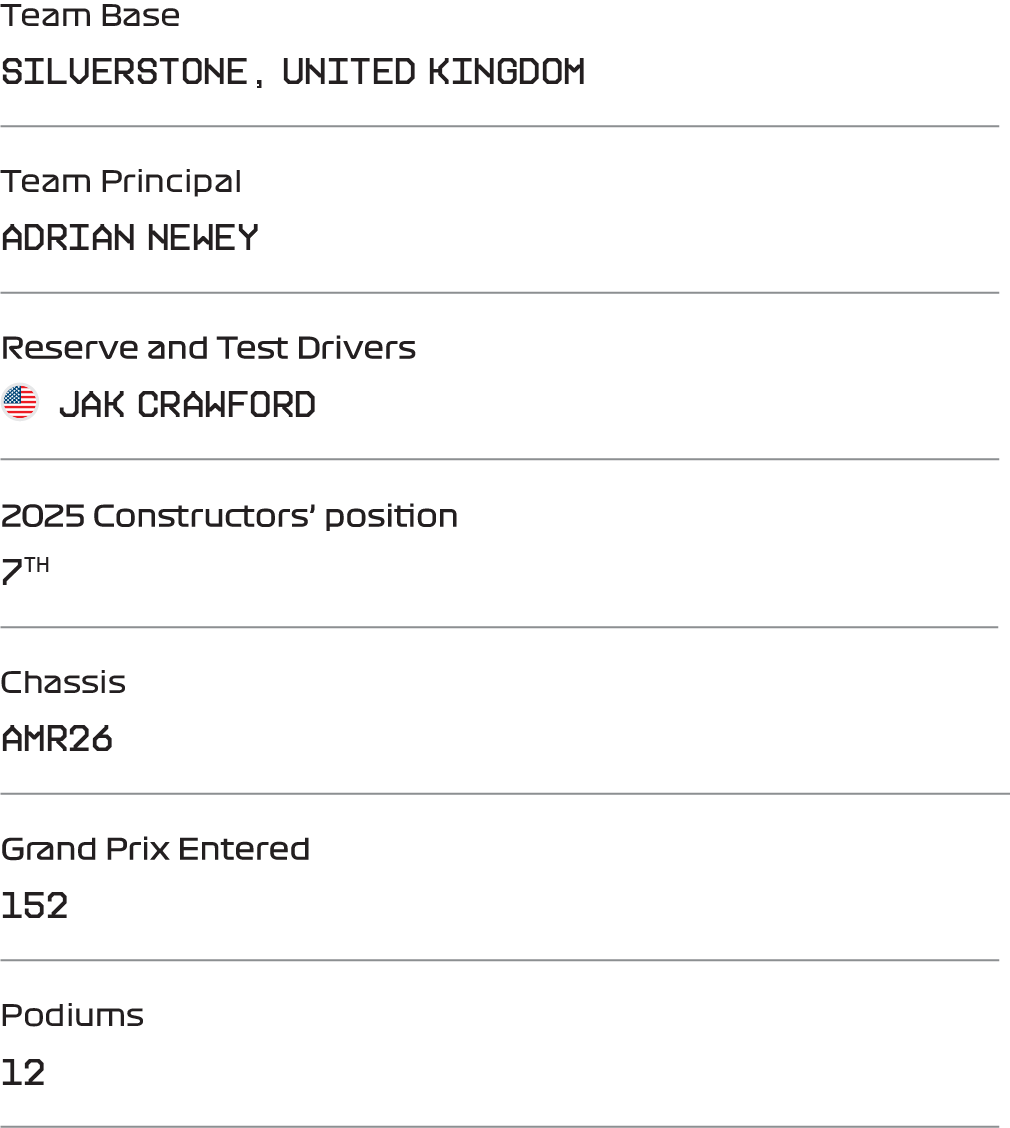
Aston lacks little in what’s required to succeed in modern-day F1; a demanding owner with deep pockets, a state-of-the-art base, multiple blue-chip sponsors and a name that demands excellence. Seventh in last year’s constructors’ standings was two places lower than the previous two seasons, but Aston escaped the level of scrutiny afforded to other big names who slipped simply because it had one of the sport’s biggest difference-makers in Newey, now 67, beavering away in the background on the car that’s supposed to be its panacea.
If the car really is good, then what? It bears mentioning that, in an unchanged Fernando Alonso/Lance Stroll line-up, Aston Martin has the equal longest-tenured driver pairing (with McLaren) in F1; given the results of both teams during that span, that’s where the comparisons end.
With a Honda engine deal and Newey also at the procedural controls after his surprise announcement as team principal last November, we’ll soon discover whether Alonso and Stroll can be a part of the ascension, or require a rethink.
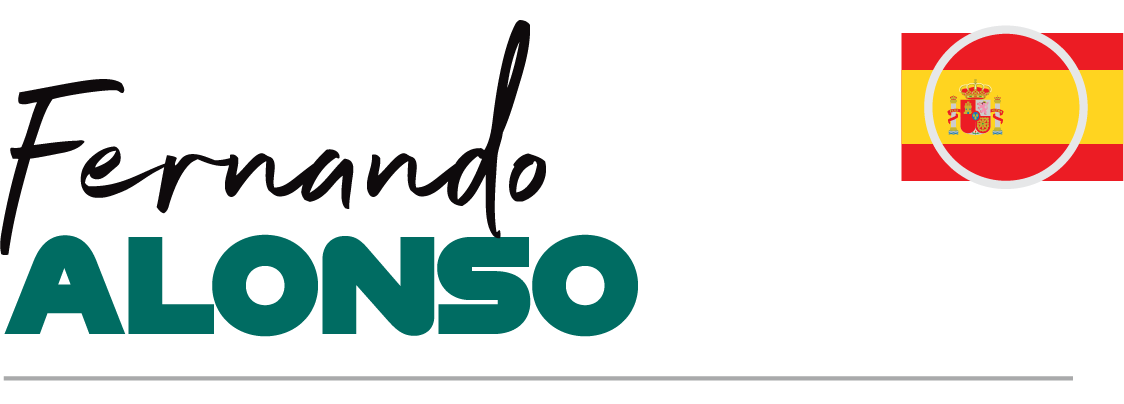
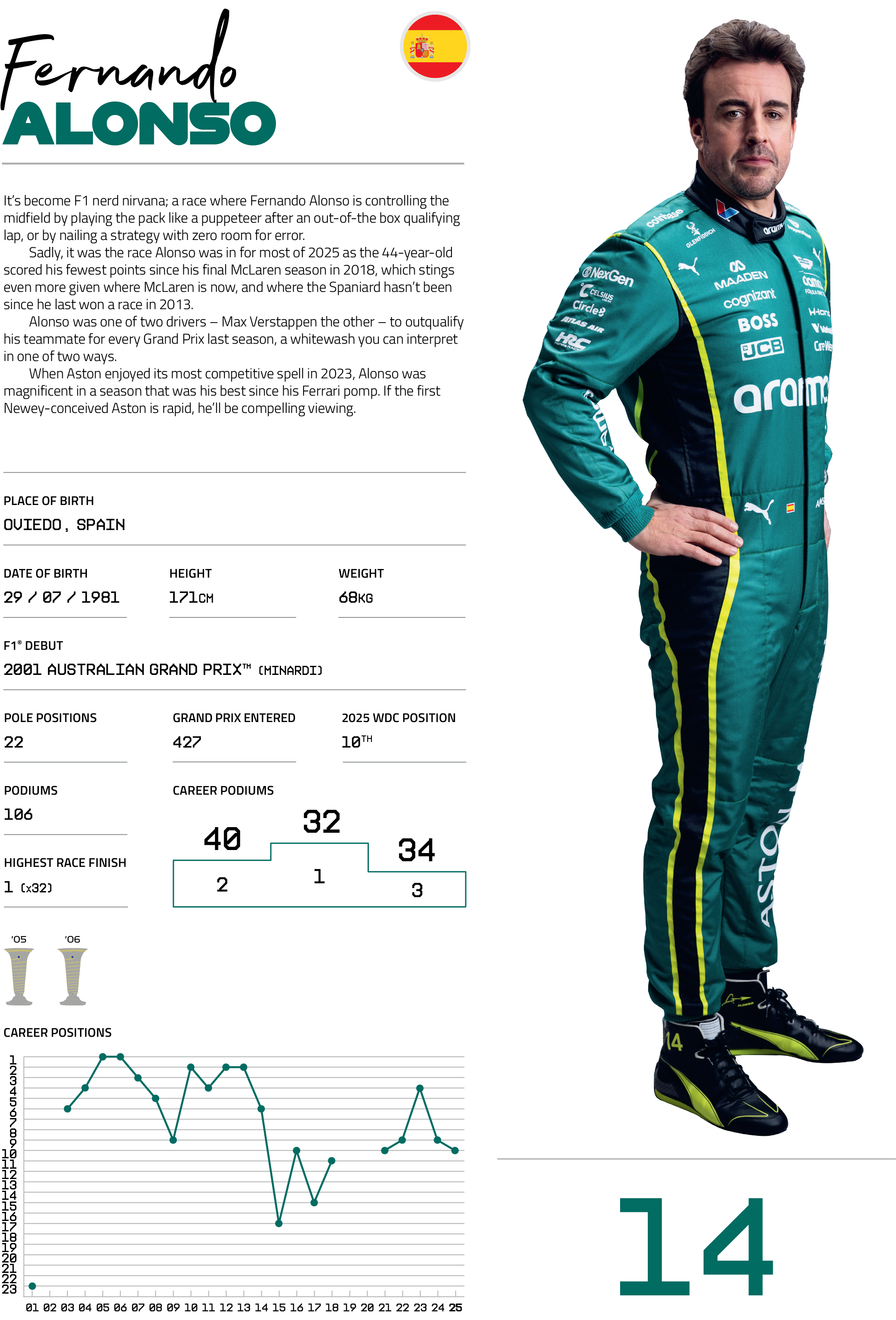
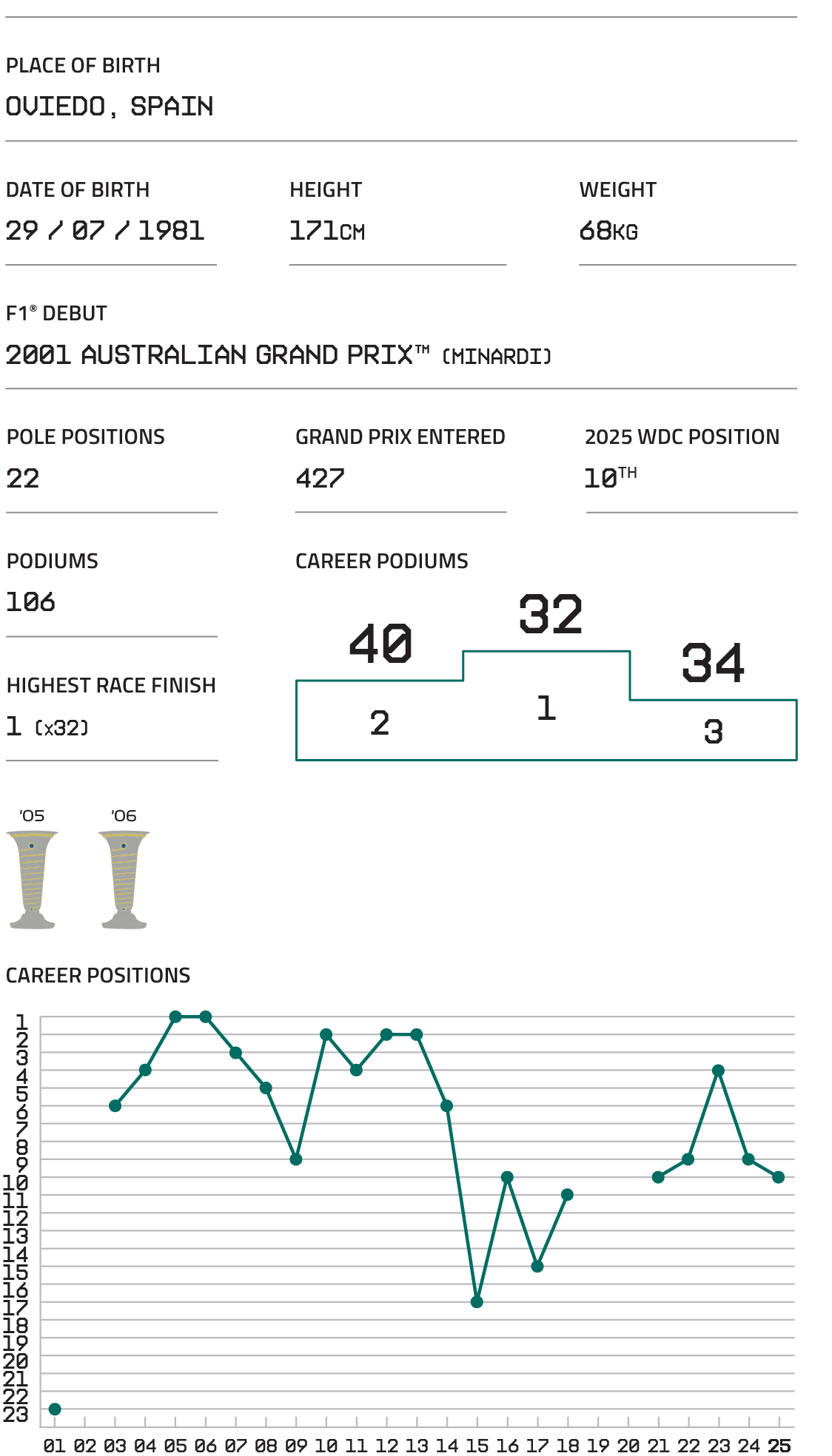
It’s become F1 nerd nirvana; a race where Fernando Alonso is controlling the midfield by playing the pack like a puppeteer after an out-of-the box qualifying lap, or by nailing a strategy with zero room for error.
Sadly, it was the race Alonso was in for most of 2025 as the 44-year-old scored his fewest points since his final McLaren season in 2018, which stings even more given where McLaren is now, and where the Spaniard hasn’t been since he last won a race in 2013.
Alonso was one of two drivers – Max Verstappen the other – to outqualify his teammate for every Grand Prix last season, a whitewash you can interpret in one of two ways.
When Aston enjoyed its most competitive spell in 2023, Alonso wasmagnificent in a season that was his best since his Ferrari pomp. If the firstNewey-conceived Aston is rapid, he’ll be compelling viewing.
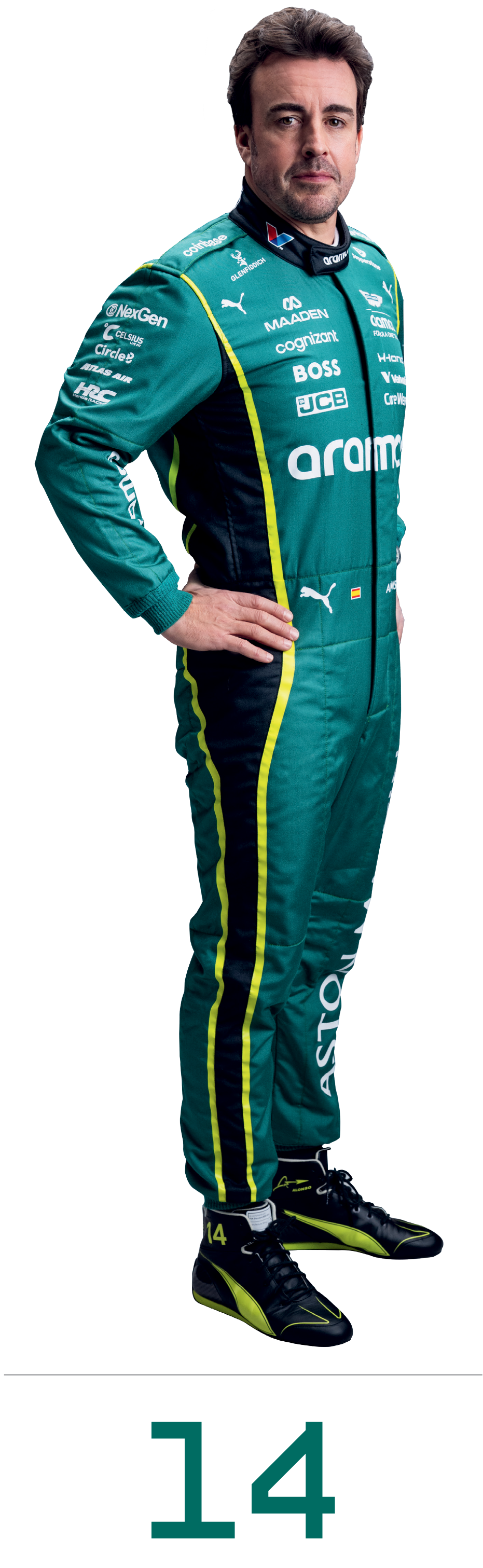

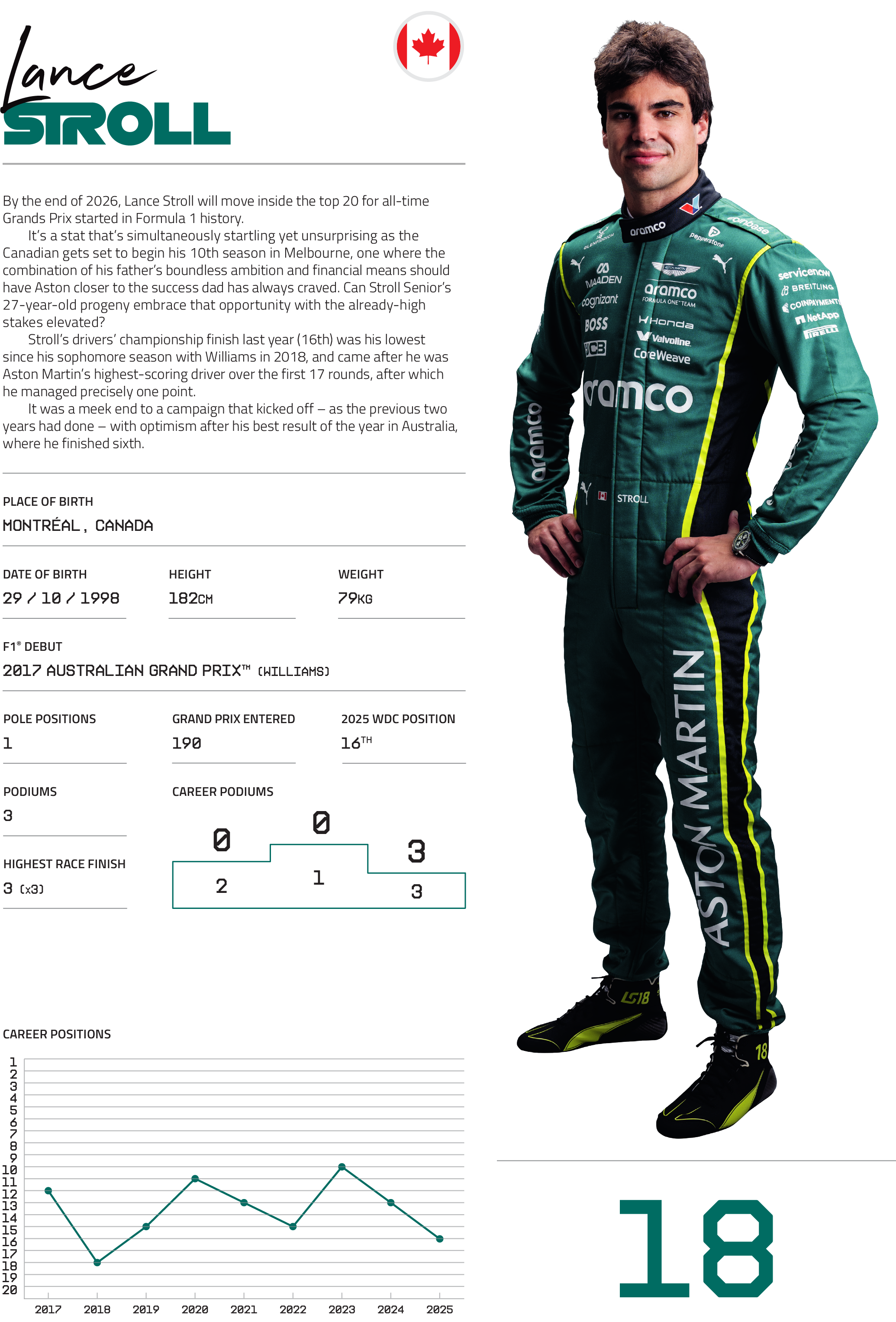
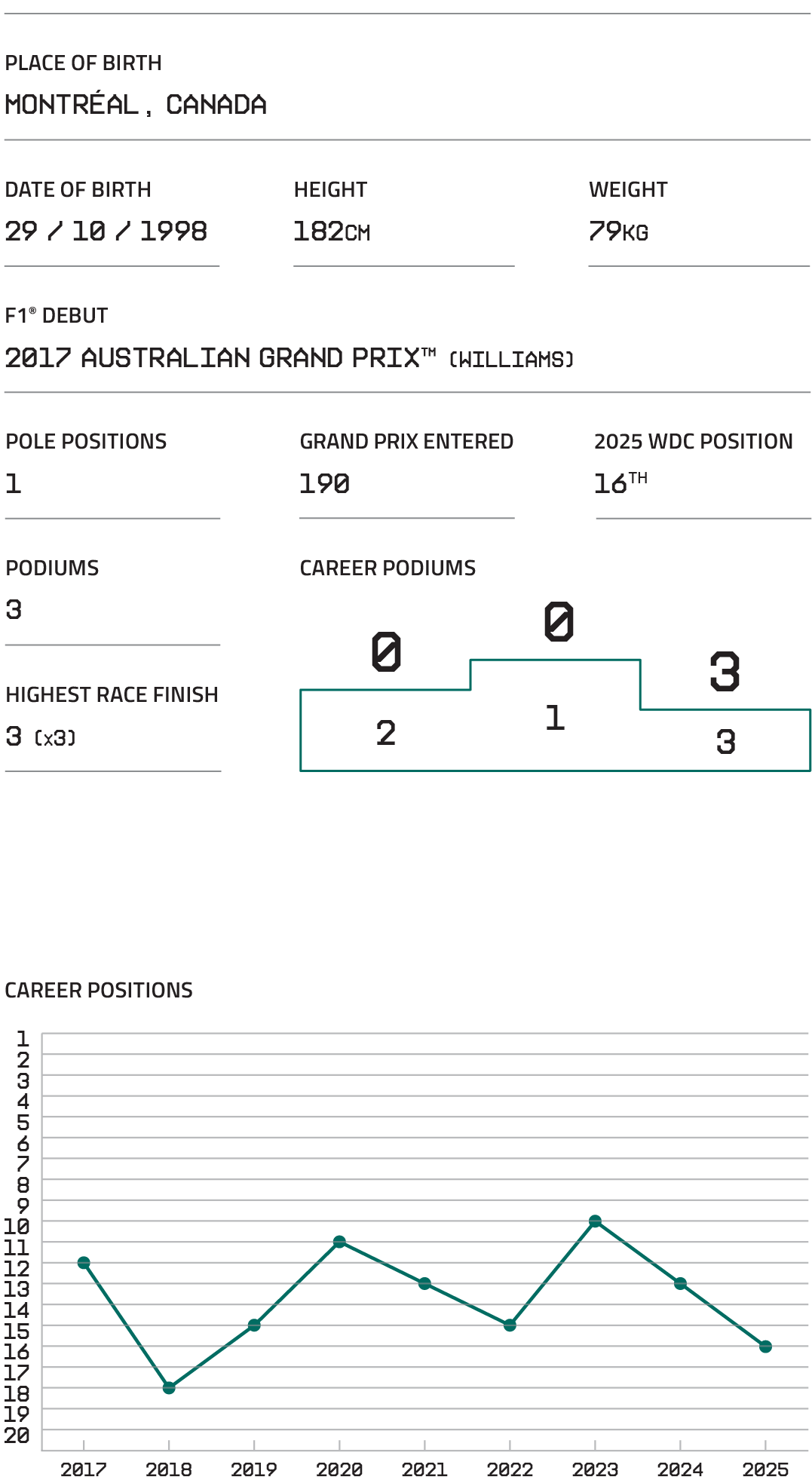
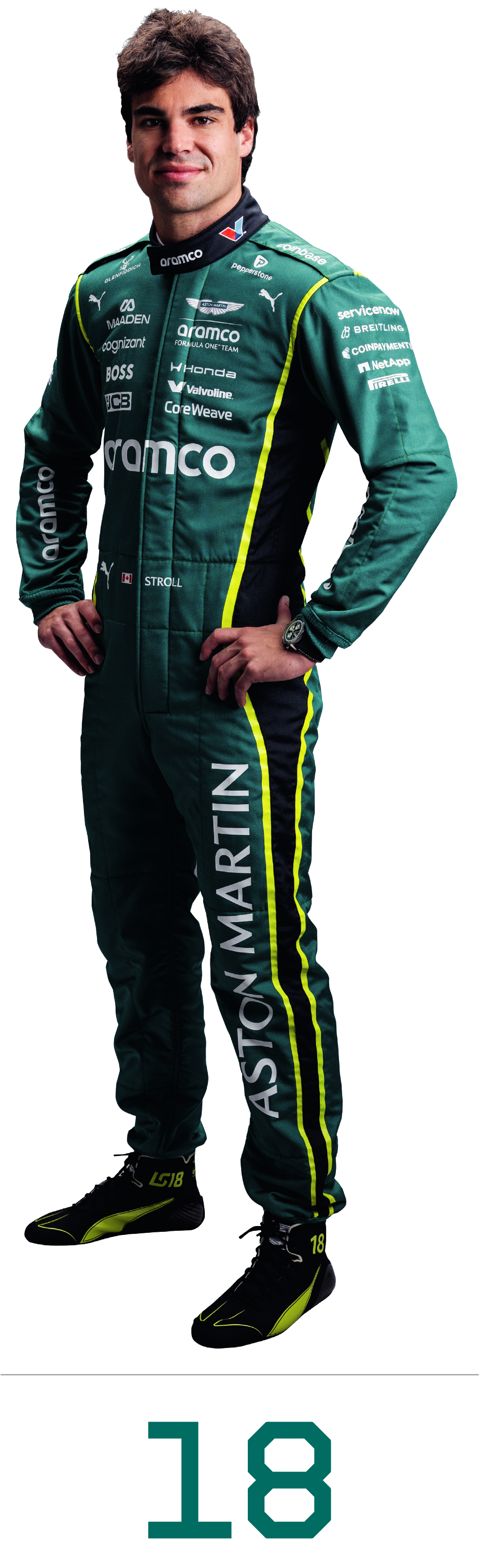
By the end of 2026, Lance Stroll will move inside the top 20 for all-time Grands Prix started in Formula 1 history.
It’s a stat that’s simultaneously startling yet unsurprising as the Canadian gets set to begin his 10th season in Melbourne, one where the combination of his father’s boundless ambition and financial means should have Aston closer to the success dad has always craved. Can Stroll Senior’s 27-year-old progeny embrace that opportunity with the already-high stakes elevated?
Stroll’s drivers’ championship finish last year (16th) was his lowest since his sophomore season with Williams in 2018, and came after he was Aston Martin’s highest-scoring driver over the first 17 rounds, after which he managed precisely one point.
It was a meek end to a campaign that kicked off – as the previous two years had done – with optimism after his best result of the year in Australia, where he finished sixth.
CLOSE
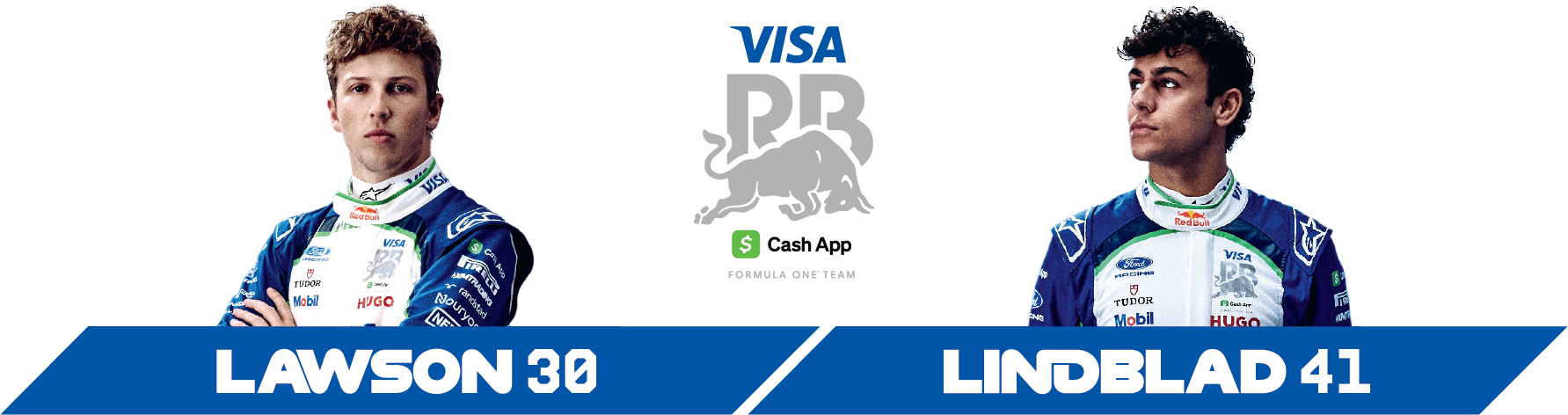
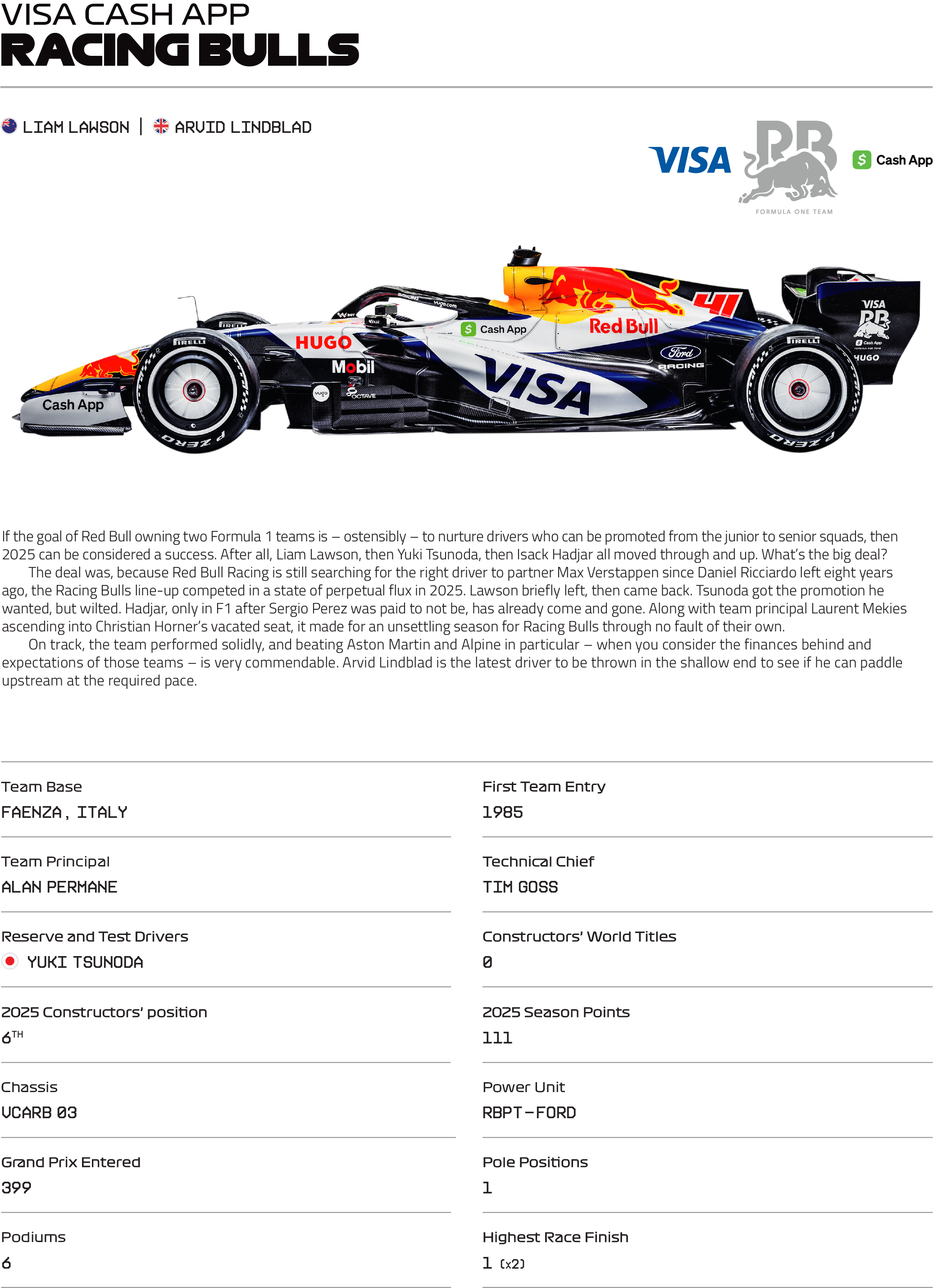
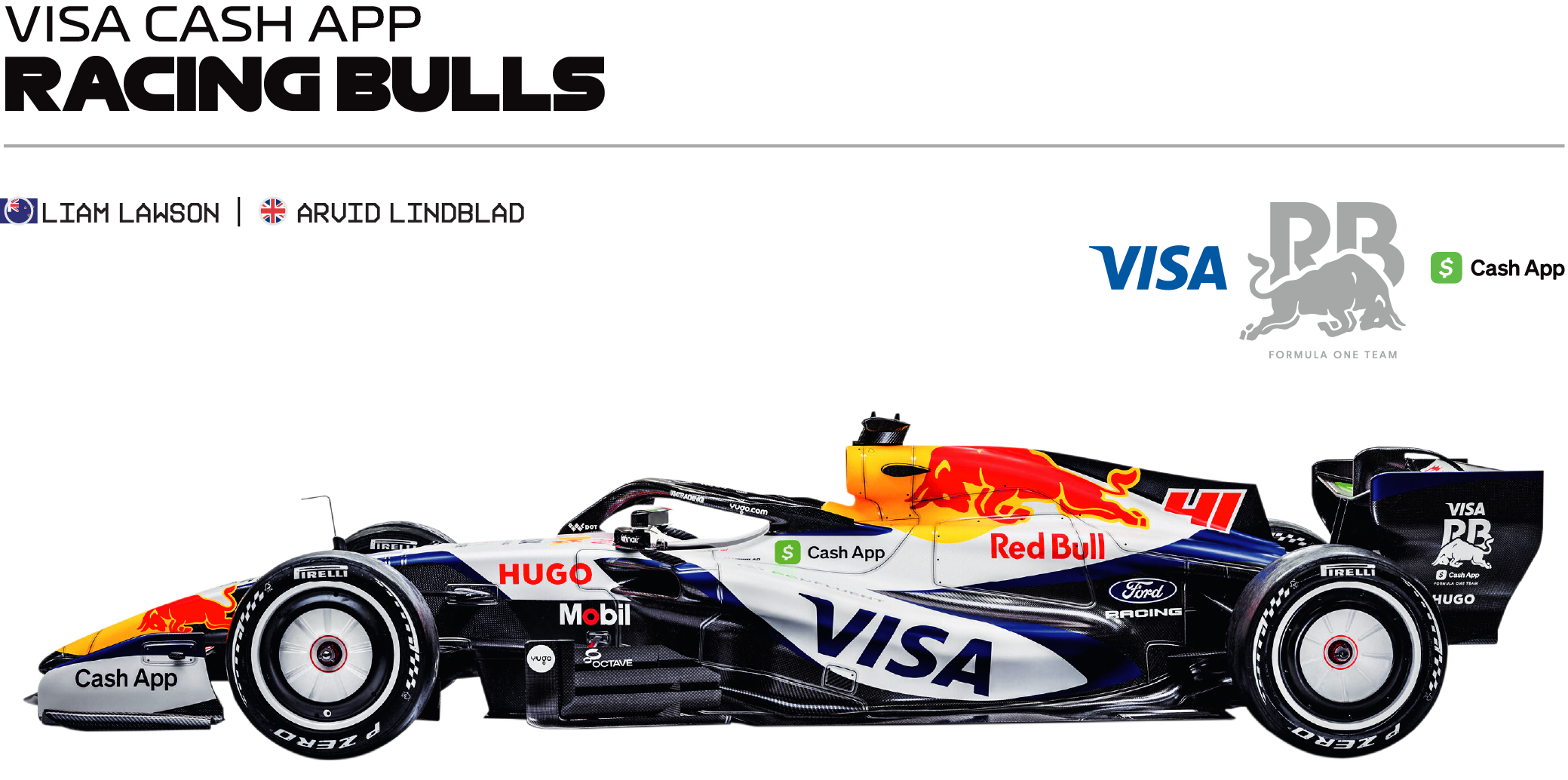
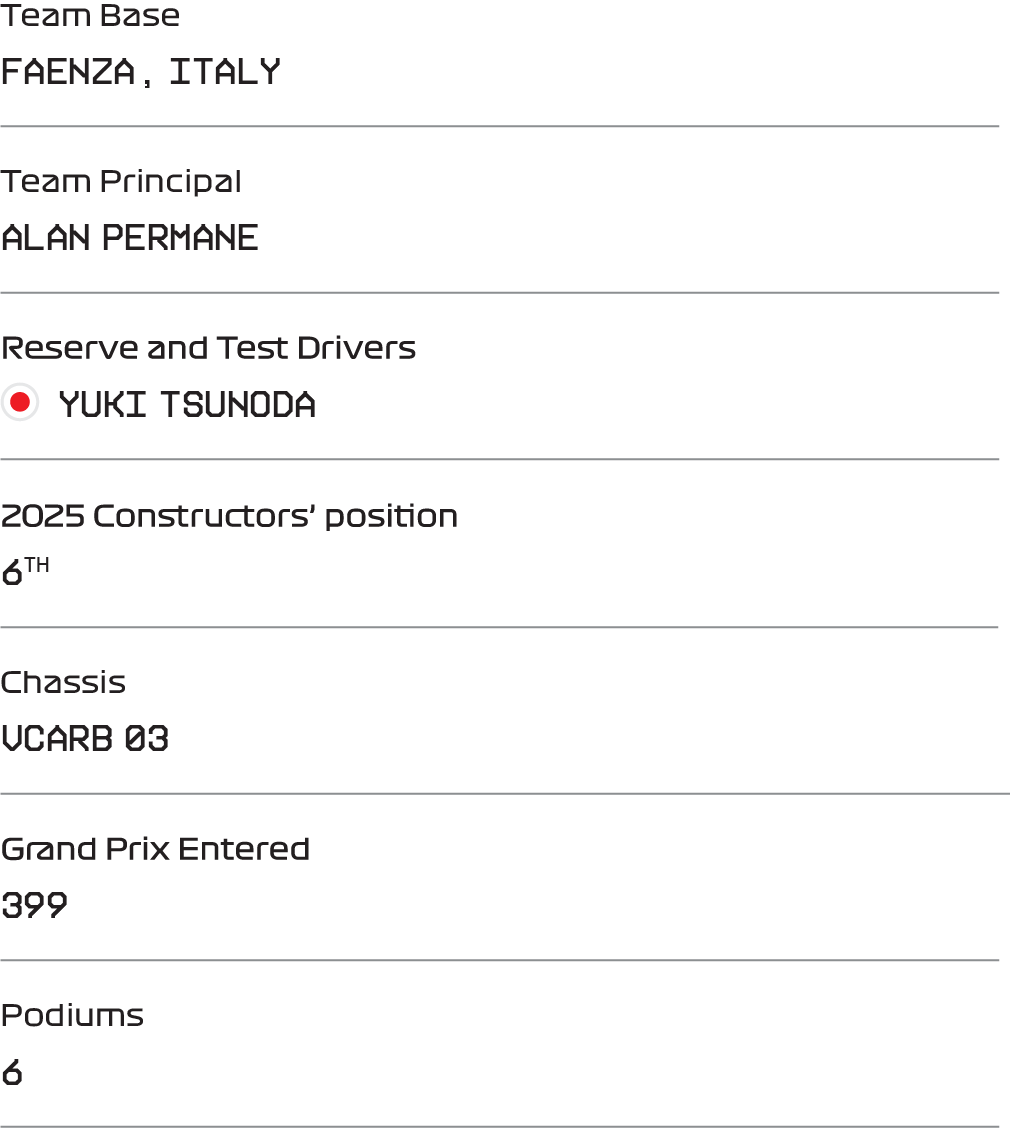
If the goal of Red Bull owning two Formula 1 teams is – ostensibly – to nurture drivers who can be promoted from the junior to senior squads, then 2025 can be considered a success. After all, Liam Lawson, then Yuki Tsunoda, then Isack Hadjar all moved through and up. What’s the big deal?
The deal was, because Red Bull Racing is still searching for the right driver to partner Max Verstappen since Daniel Ricciardo left eight years ago, the Racing Bulls line-up competed in a state of perpetual flux in 2025. Lawson briefly left, then came back. Tsunoda got the promotion he wanted, but wilted. Hadjar, only in F1 after Sergio Perez was paid to not be, has already come and gone. Along with team principal Laurent Mekies ascending into Christian Horner’s vacated seat, it made for an unsettling season for Racing Bulls through no fault of their own.
On track, the team performed solidly, and beating Aston Martin and Alpine in particular – when you consider the finances behind and expectations of those teams – is very commendable. Arvid Lindblad is the latest driver to be thrown in the shallow end to see if he can paddle upstream at the required pace.
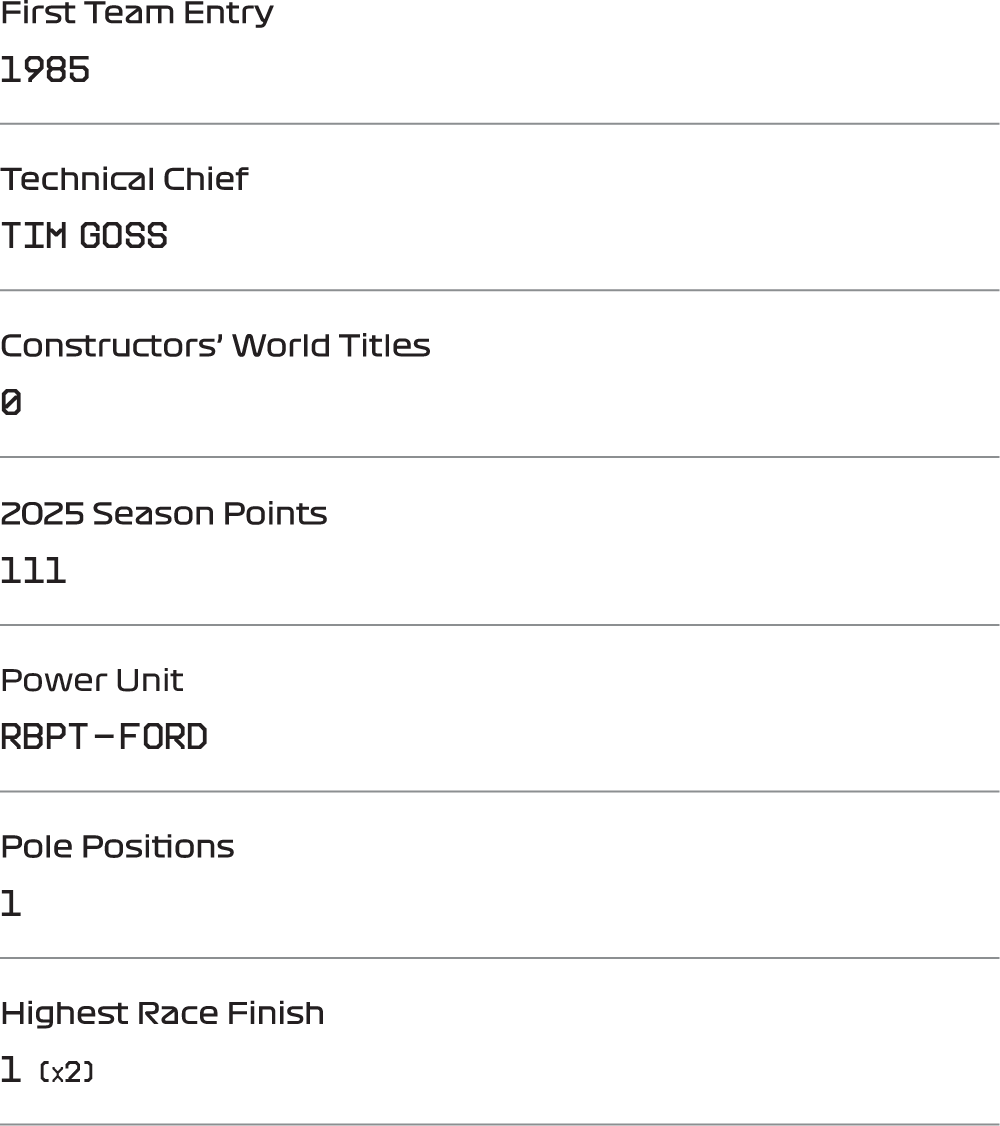

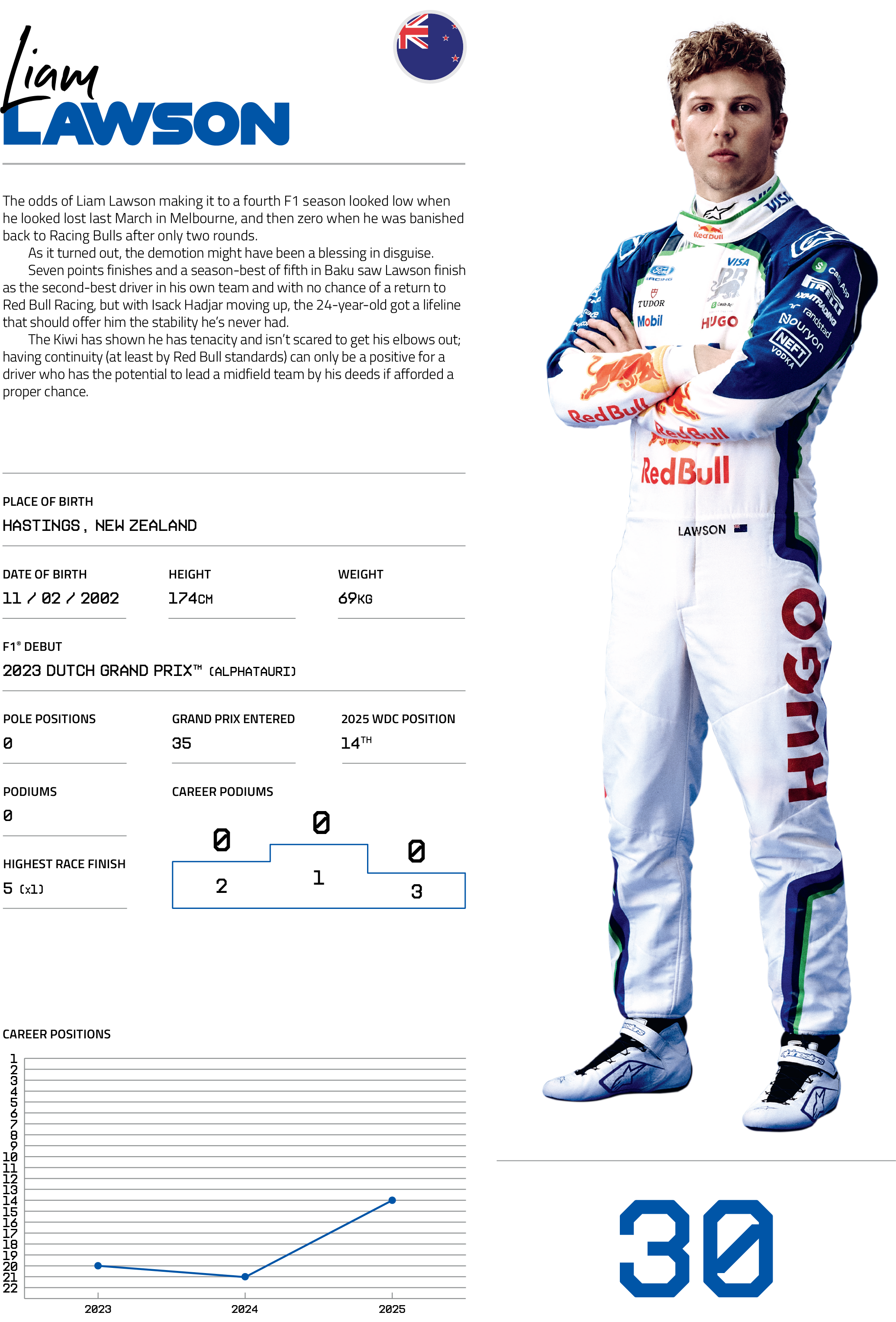
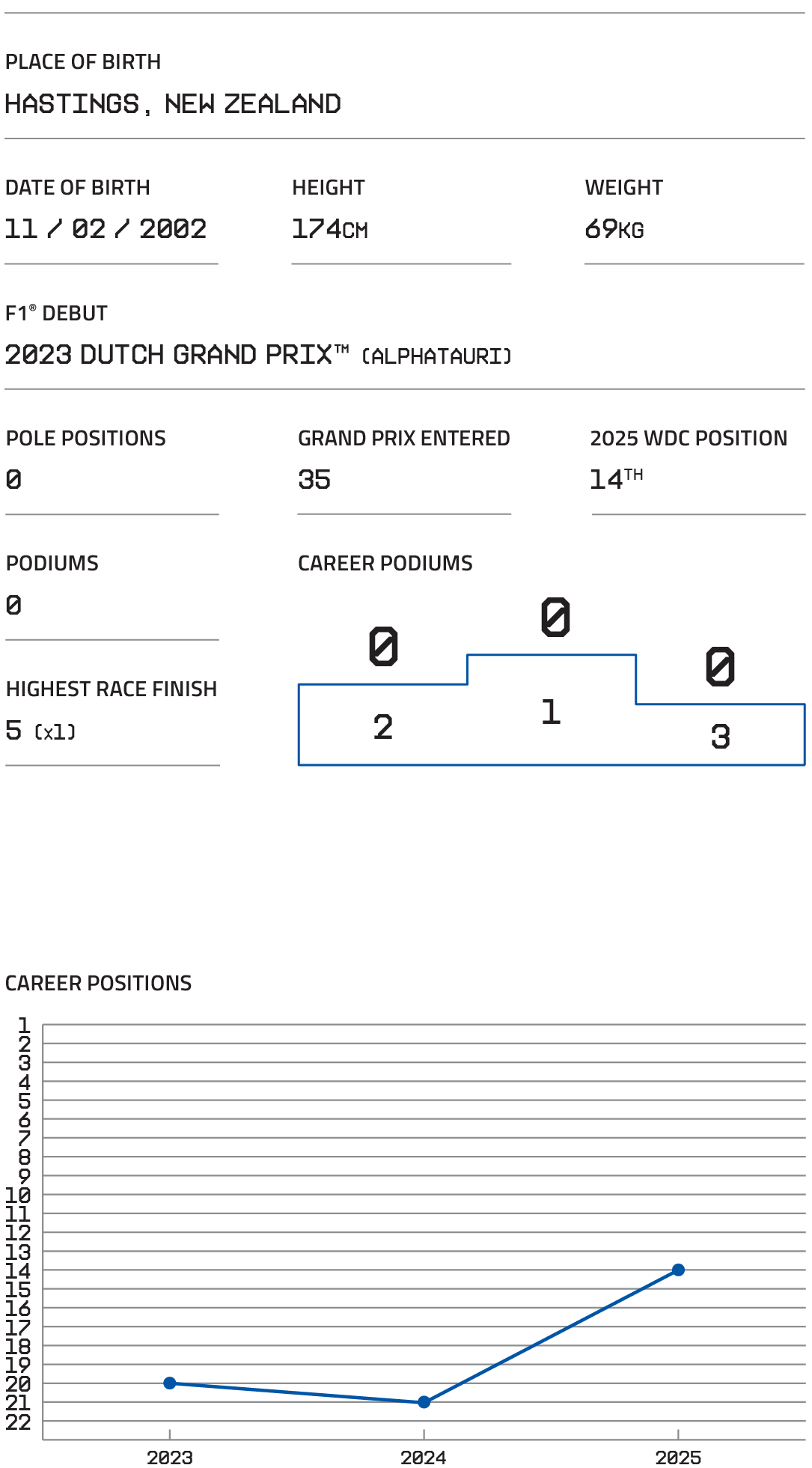
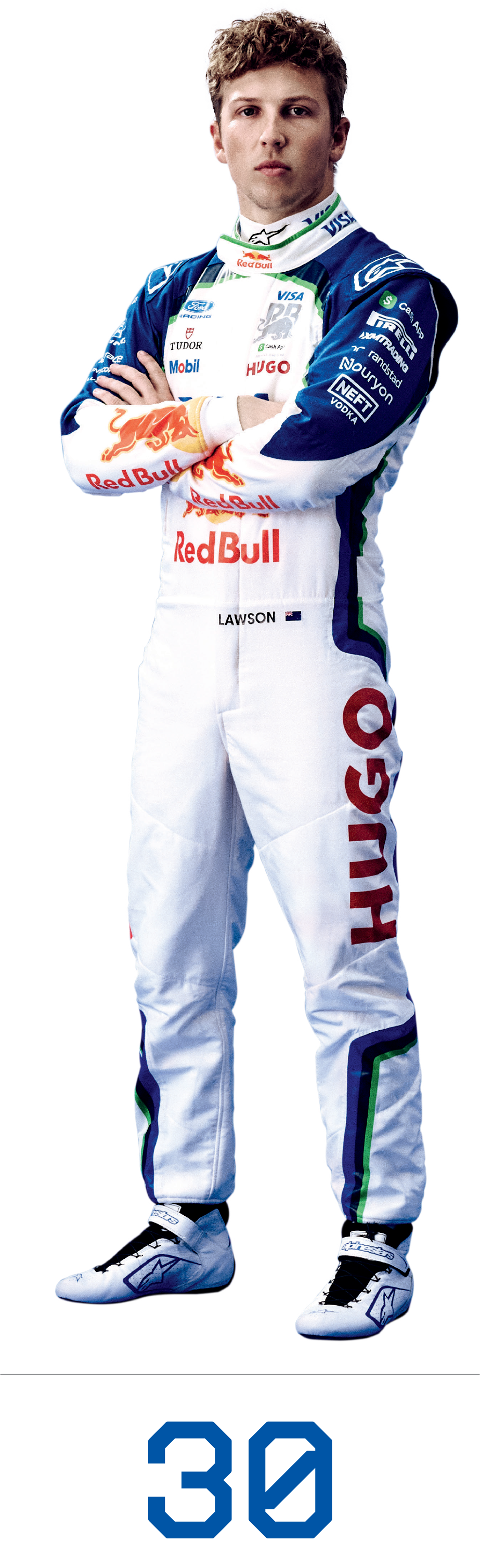
The odds of Liam Lawson making it to a fourth F1 season looked low when he looked lost last March in Melbourne, and then zero when he was banished back to Racing Bulls after only two rounds.
As it turned out, the demotion might have been a blessing in disguise.
Seven points finishes and a season-best of fifth in Baku saw Lawson finish as the second-best driver in his own team and with no chance of a return to Red Bull Racing, but with Isack Hadjar moving up, the 24-year-old got a lifeline that should offer him the stability he’s never had.
The Kiwi has shown he has tenacity and isn’t scared to get his elbows out; having continuity (at least by Red Bull standards) can only be a positive for a driver who has the potential to lead a midfield team by his deeds if afforded a proper chance.

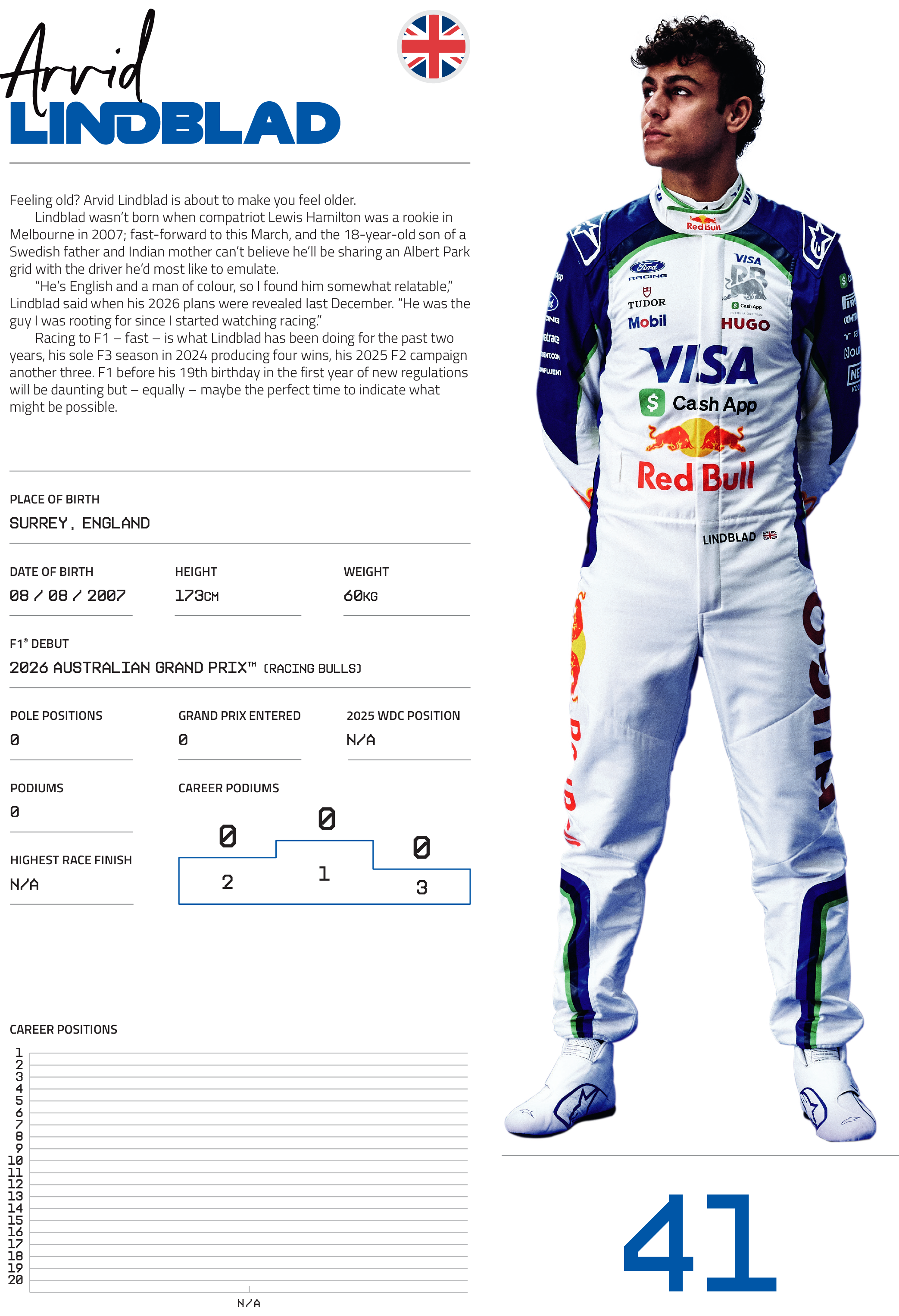
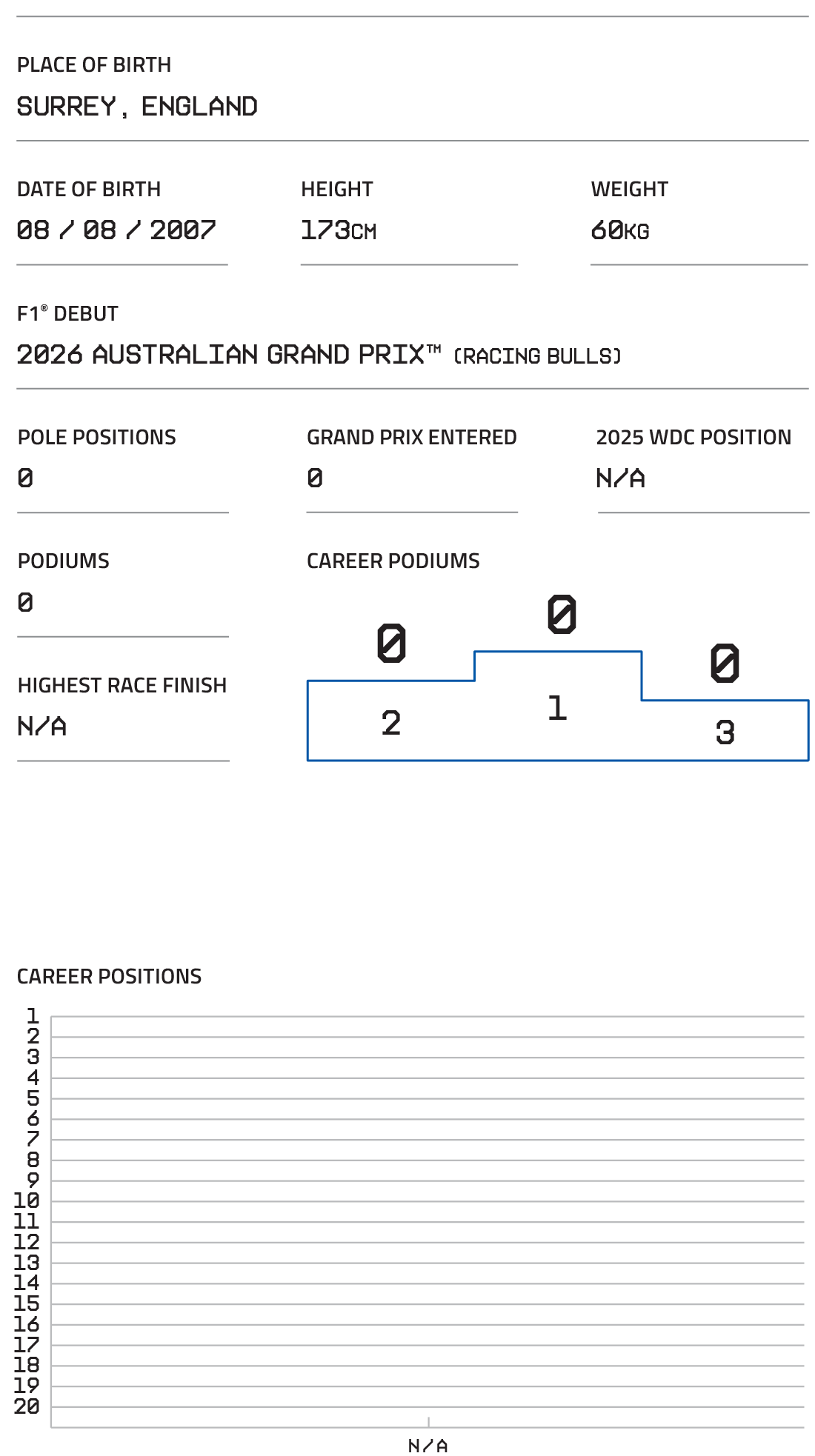
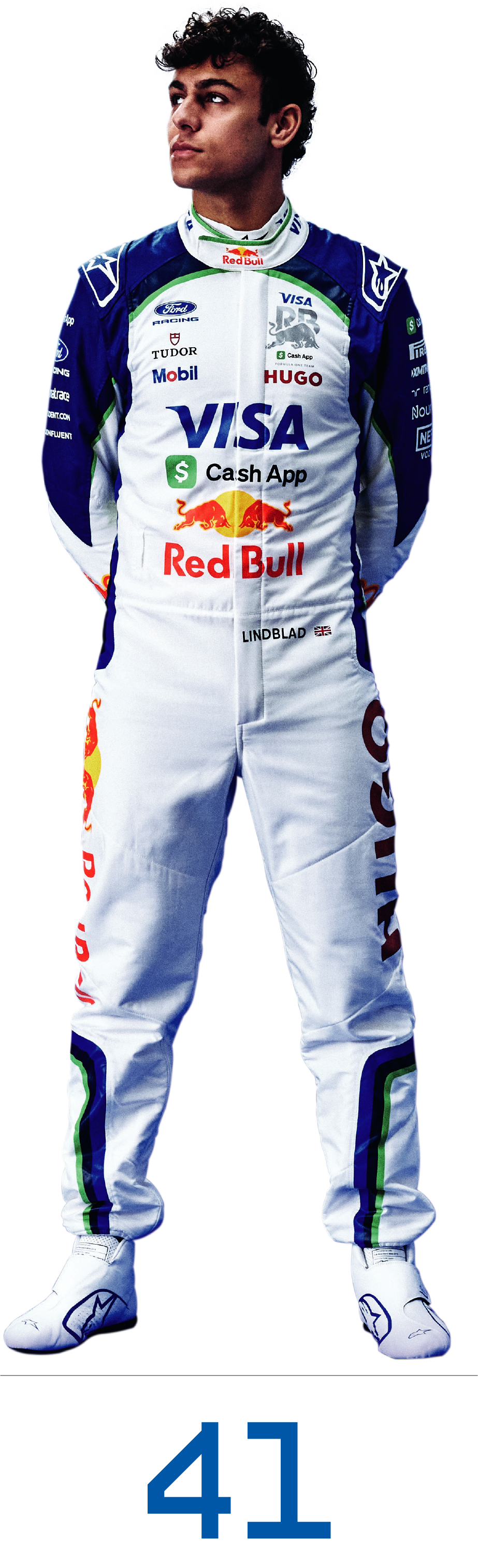
Feeling old? Arvid Lindblad is about to make you feel older.
Lindblad wasn’t born when compatriot Lewis Hamilton was a rookie in Melbourne in 2007; fast-forward to this March, and the 18-year-old son of a Swedish father and Indian mother can’t believe he’ll be sharing an Albert Park grid with the driver he’d most like to emulate.
“He’s English and a man of colour, so I found him somewhat relatable,” Lindblad said when his 2026 plans were revealed last December. “He was the guy I was rooting for since I started watching racing.”
Racing to F1 – fast – is what Lindblad has been doing for the past two years, his sole F3 season in 2024 producing four wins, his 2025 F2 campaign another three. F1 before his 19th birthday in the first year of new regulations will be daunting but – equally – maybe the perfect time to indicate what might be possible.
CLOSE
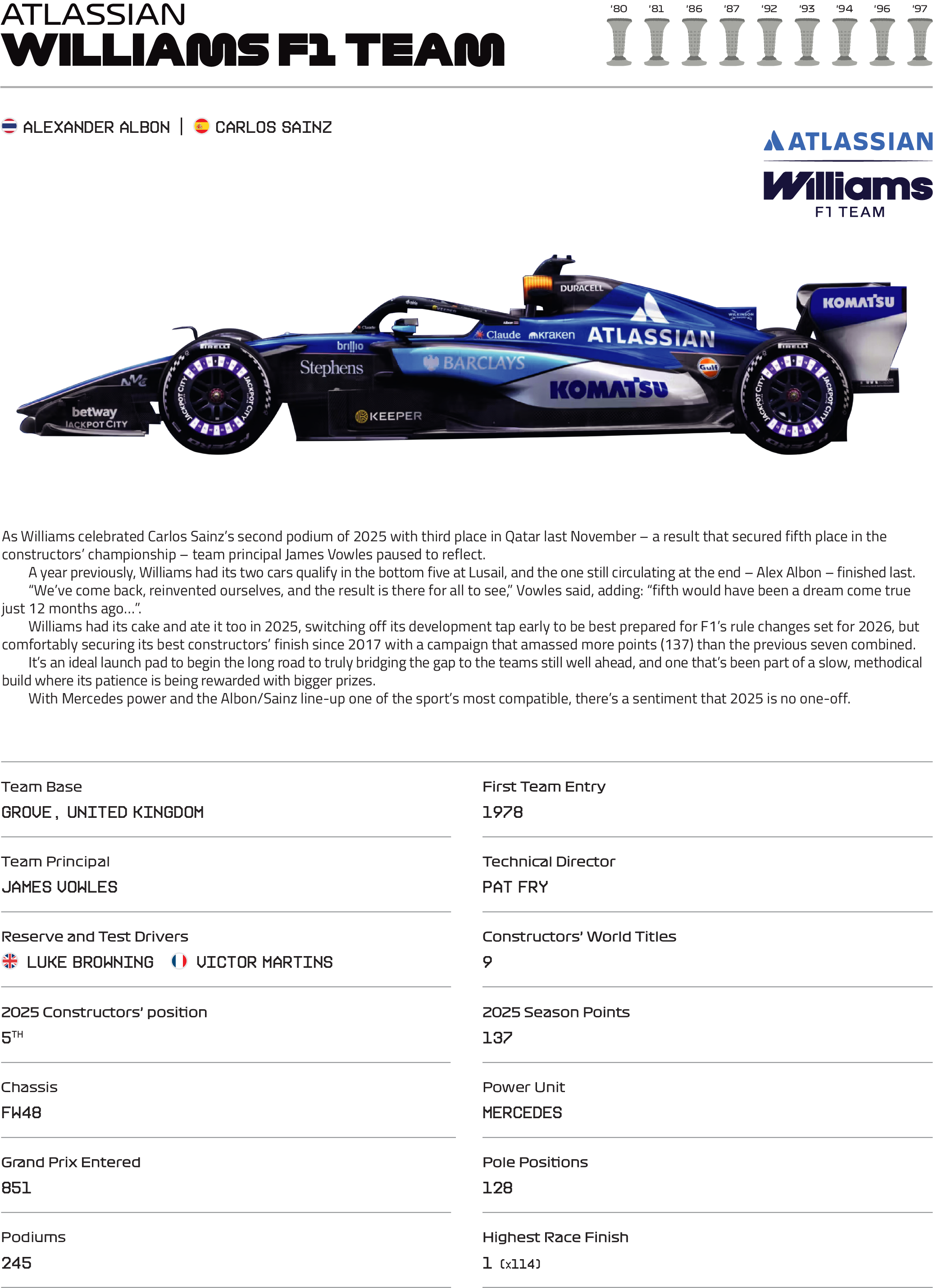
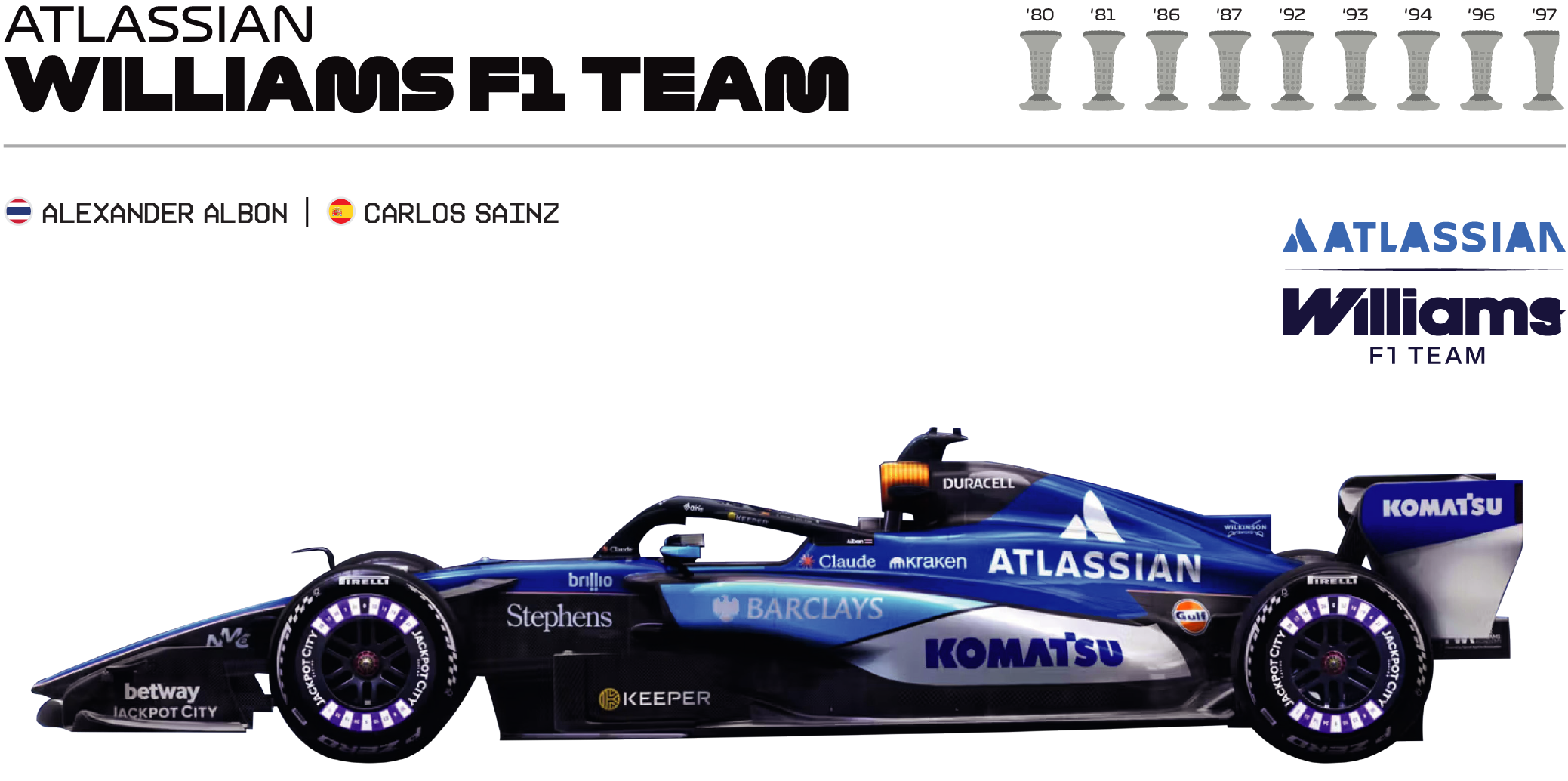
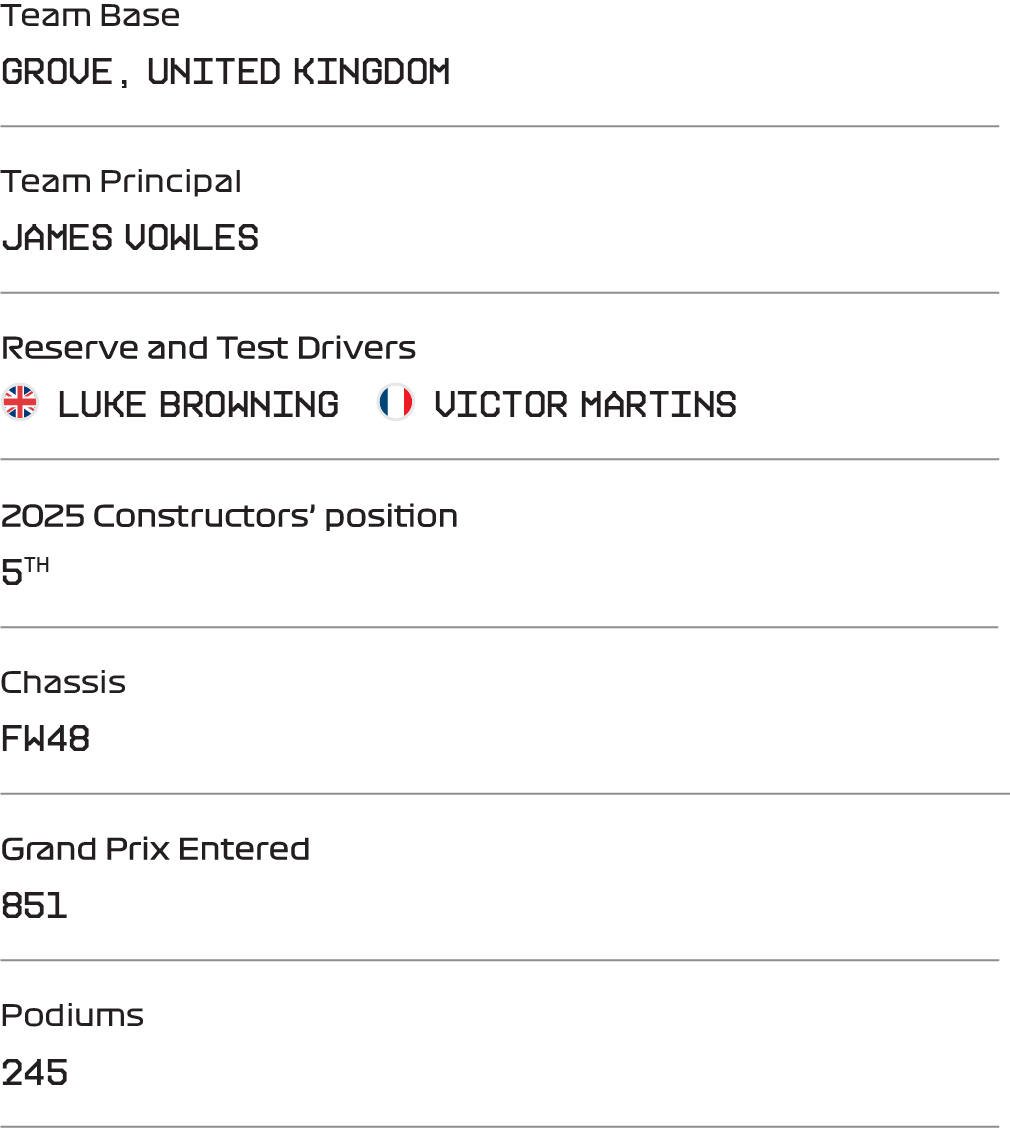
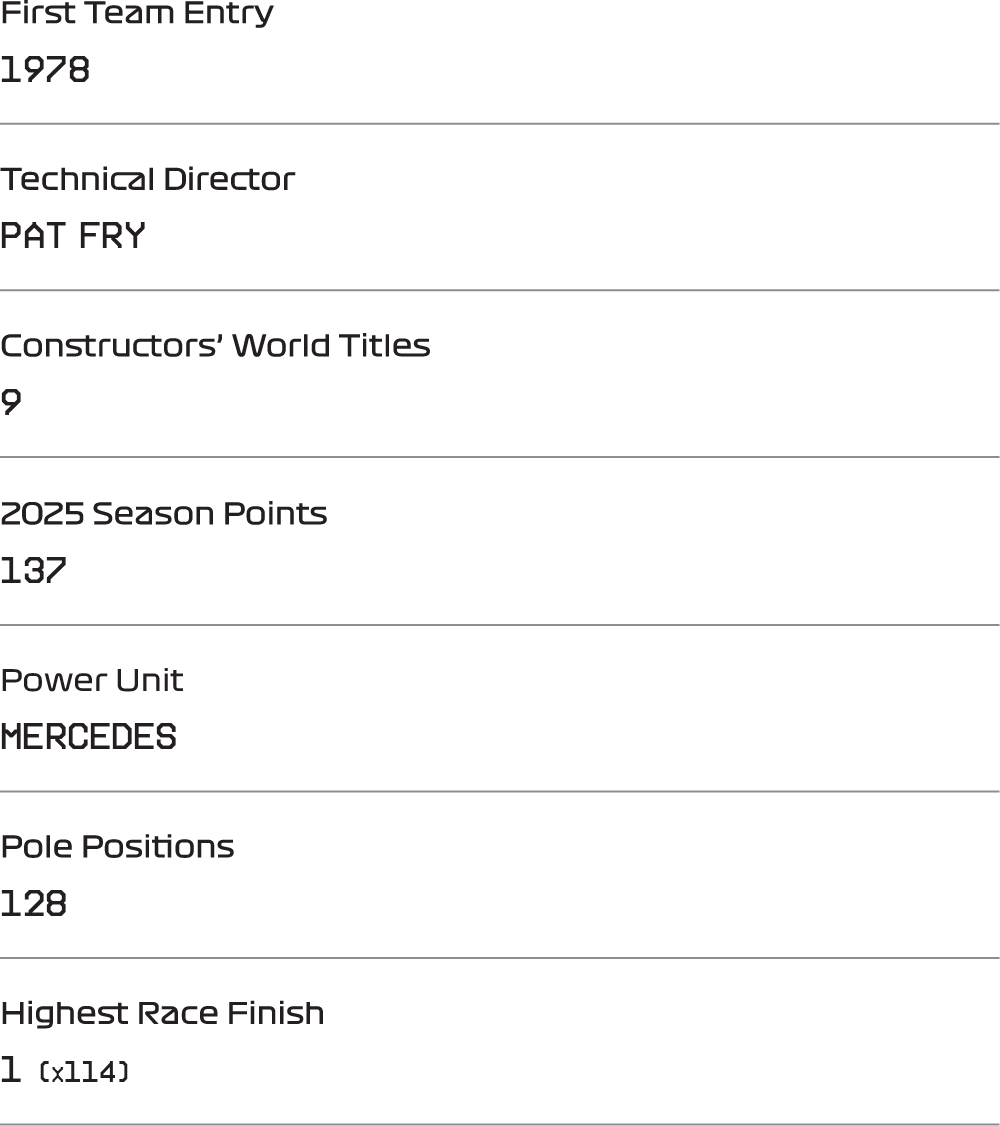
As Williams celebrated Carlos Sainz’s second podium of 2025 with third place in Qatar last November – a result that secured fifth place in the constructors’ championship – team principal James Vowles paused to reflect.
A year previously, Williams had its two cars qualify in the bottom five at Lusail, and the one still circulating at the end – Alex Albon – finished last. “We’ve come back, reinvented ourselves, and the result is there for all to see,” Vowles said, adding: “fifth would have been a dream come true just 12 months ago…”.
Williams had its cake and ate it too in 2025, switching off its development tap early to be best prepared for F1’s rule changes set for 2026, but comfortably securing its best constructors’ finish since 2017 with a campaign that amassed more points (137) than the previous seven combined.
It’s an ideal launch pad to begin the long road to truly bridging the gap to the teams still well ahead, and one that’s been part of a slow, methodical build where its patience is being rewarded with bigger prizes.
With Mercedes power and the Albon/Sainz line-up one of the sport’s most compatible, there’s a sentiment that 2025 is no one-off.

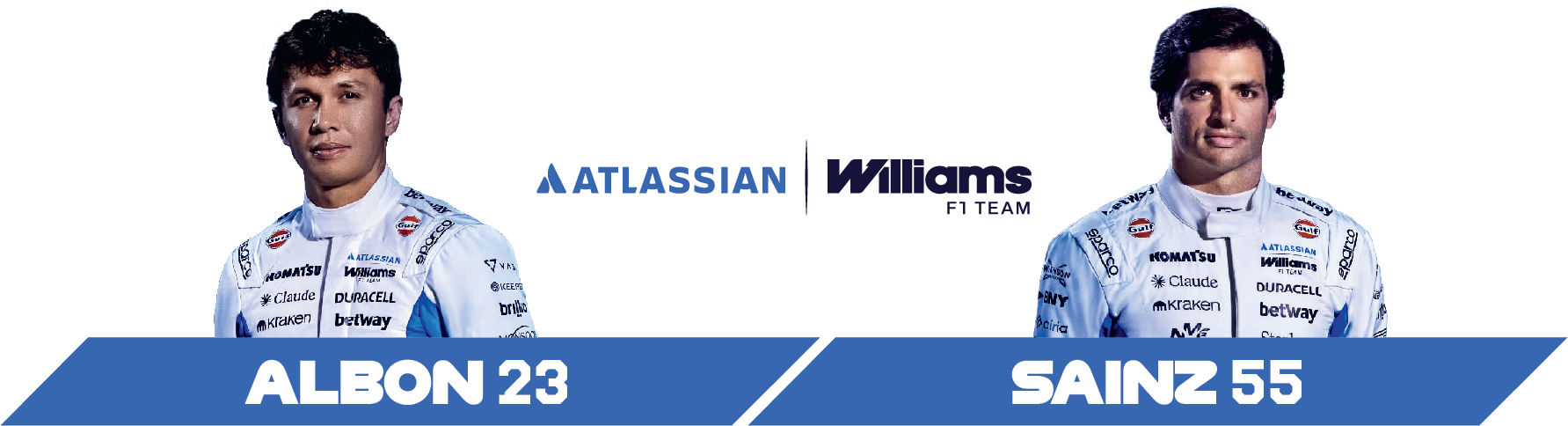
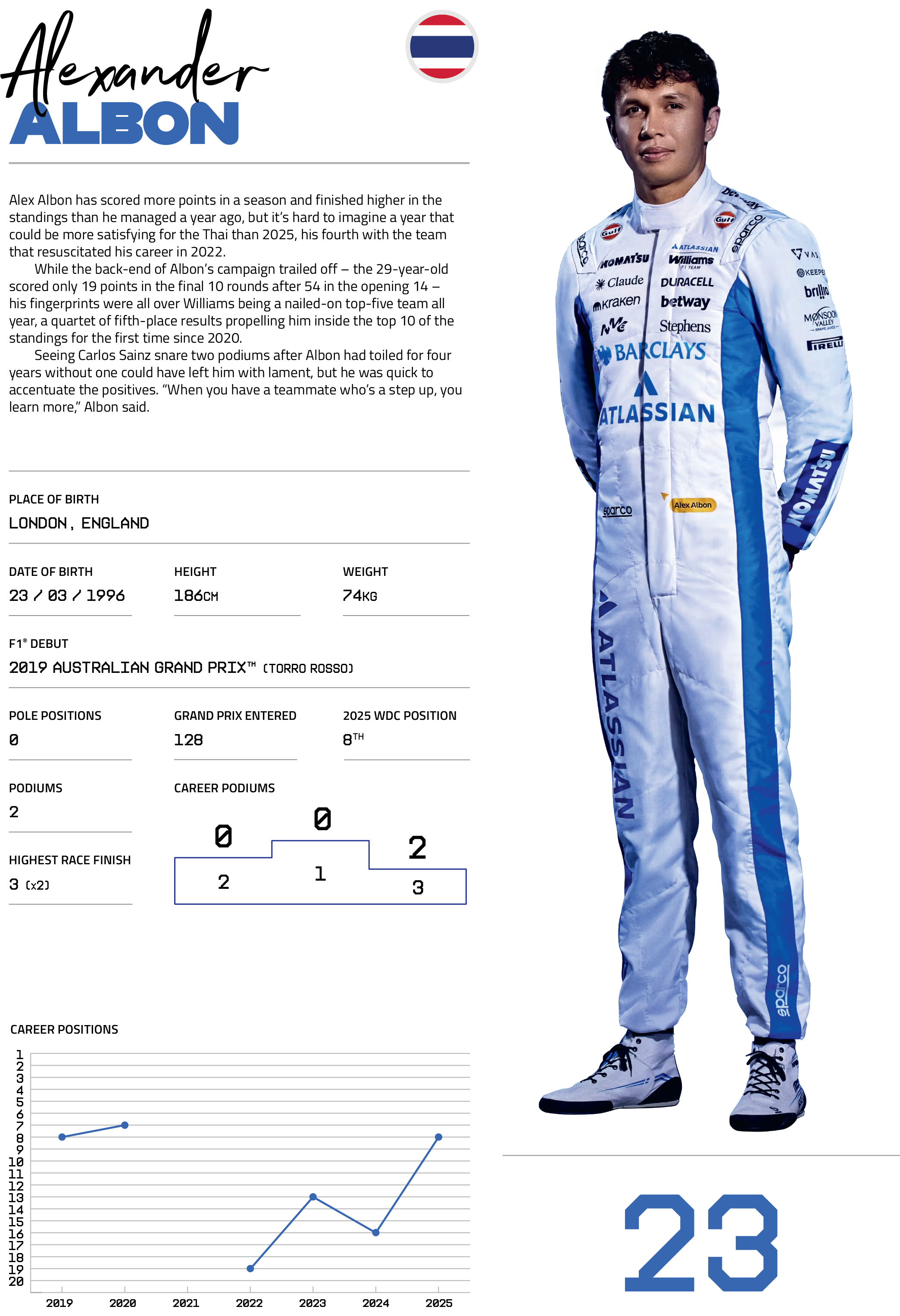
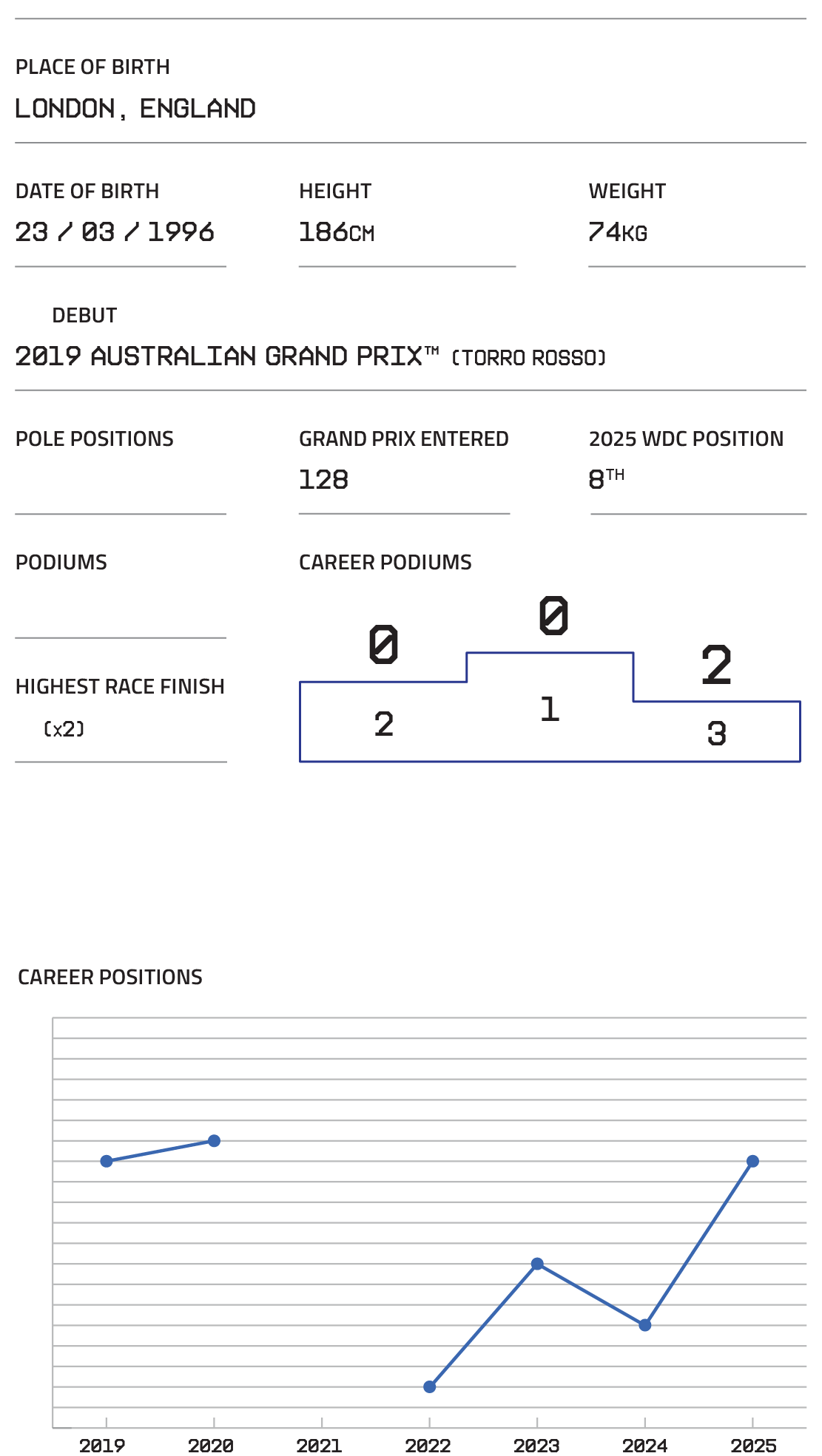
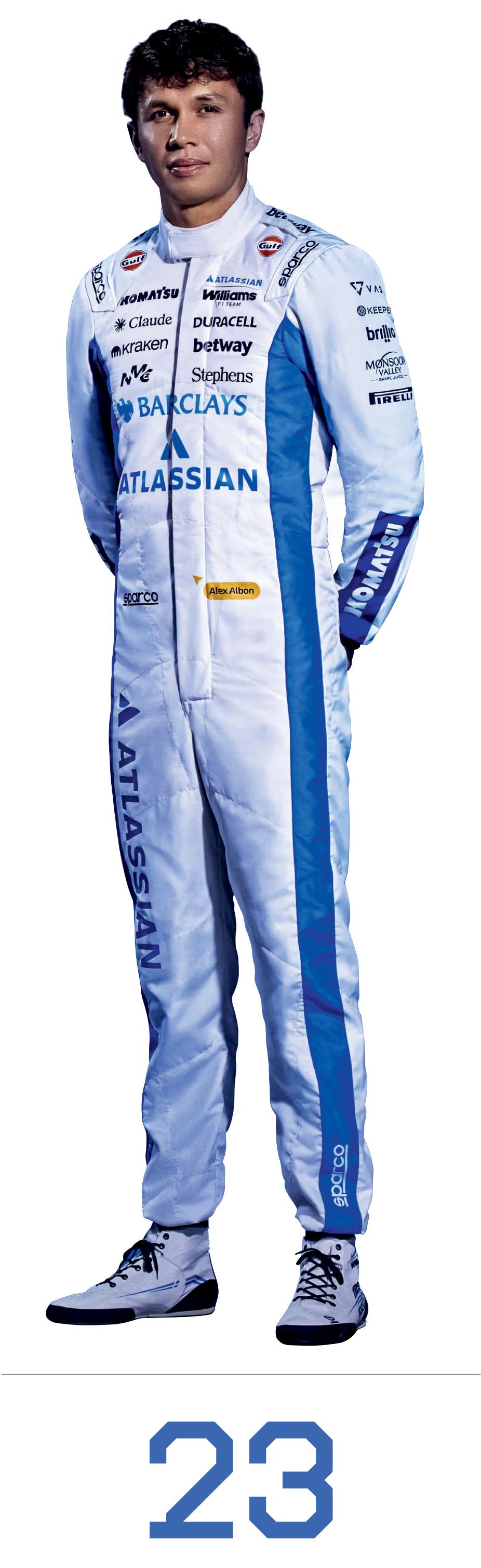
Alex Albon has scored more points in a season and finished higher in the standings than he managed a year ago, but it’s hard to imagine a year that could be more satisfying for the Thai than 2025, his fourth with the team that resuscitated his career in 2022.
While the back-end of Albon’s campaign trailed off – the 29-year-old scored only 19 points in the final 10 rounds after 54 in the opening 14 – his fingerprints were all over Williams being a nailed-on top-five team all year, a quartet of fifth-place results propelling him inside the top 10 of the standings for the first time since 2020.
Seeing Carlos Sainz snare two podiums after Albon had toiled for four years without one could have left him with lament, but he was quick to accentuate the positives. “When you have a teammate who’s a step up, you learn more,” Albon said.
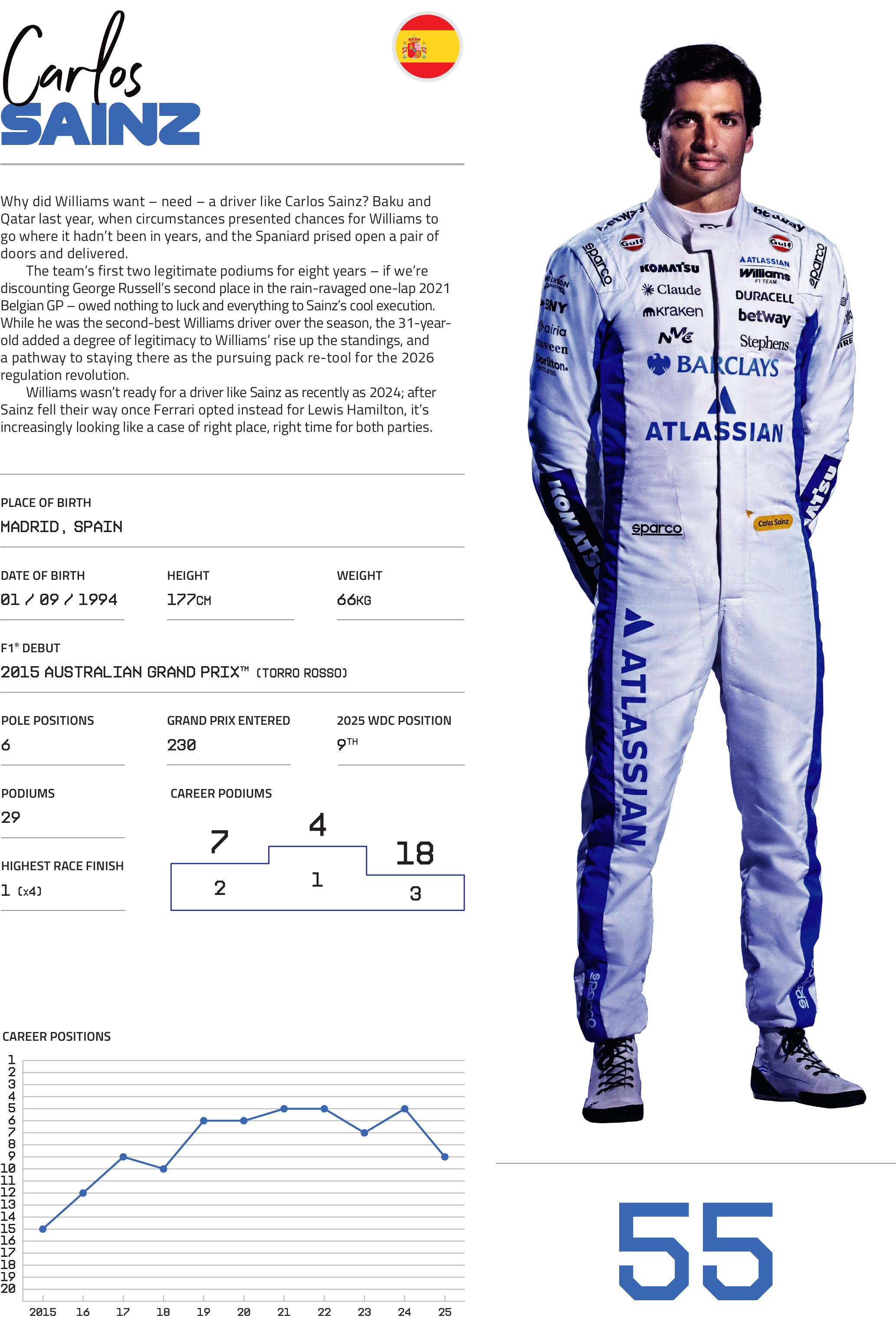
Why did Williams want – need – a driver like Carlos Sainz? Baku and Qatar last year, when circumstances presented chances for Williams to go where it hadn’t been in years, and the Spaniard prised open a pair of doors and delivered.
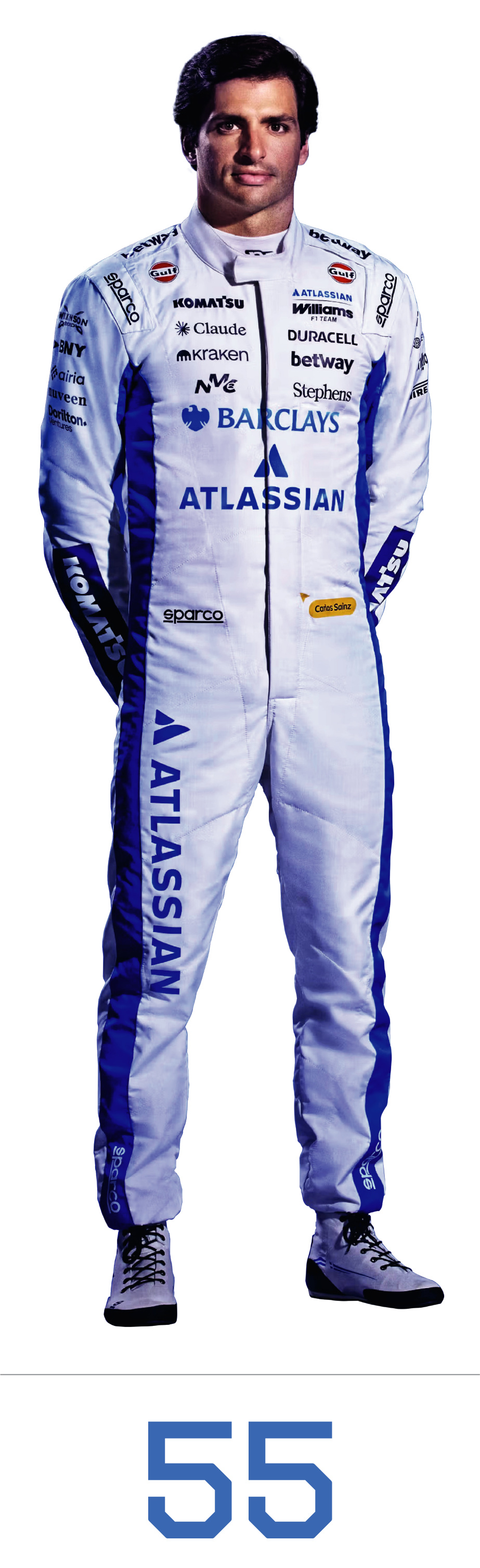
The team’s first two legitimate podiums for eight years – if we’re discounting George Russell’s second place in the rain-ravaged one-lap 2021 Belgian GP – owed nothing to luck and everything to Sainz’s cool execution. While he was the second-best Williams driver over the season, the 31-year- old added a degree of legitimacy to Williams’ rise up the standings, and a pathway to staying there as the pursuing pack re-tool for the 2026 regulation revolution.
Williams wasn’t ready for a driver like Sainz as recently as 2024; after Sainz fell their way once Ferrari opted instead for Lewis Hamilton, it’s increasingly looking like a case of right place, right time for both parties.
CLOSE
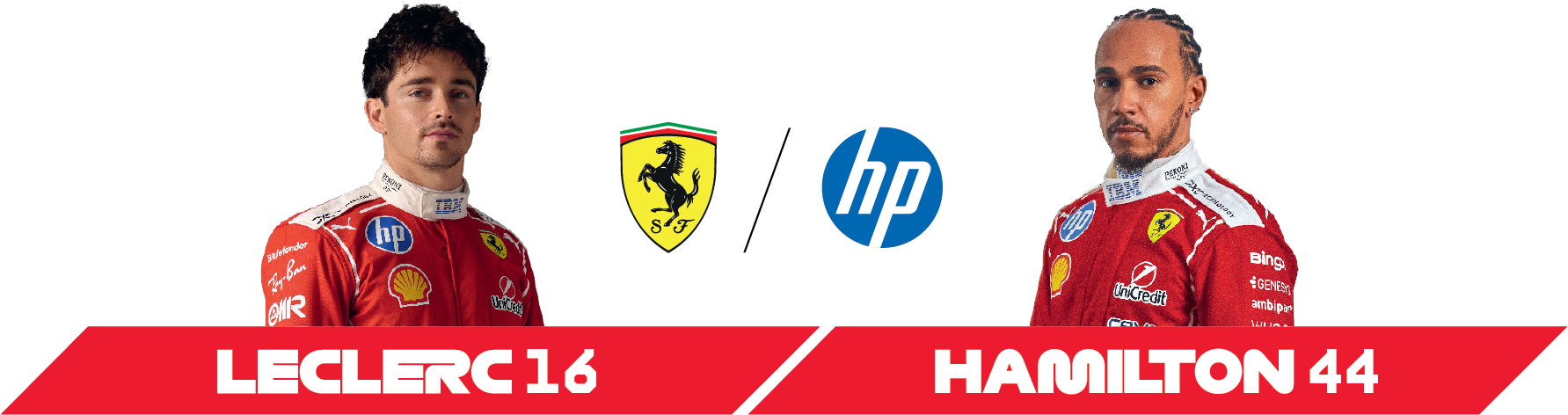
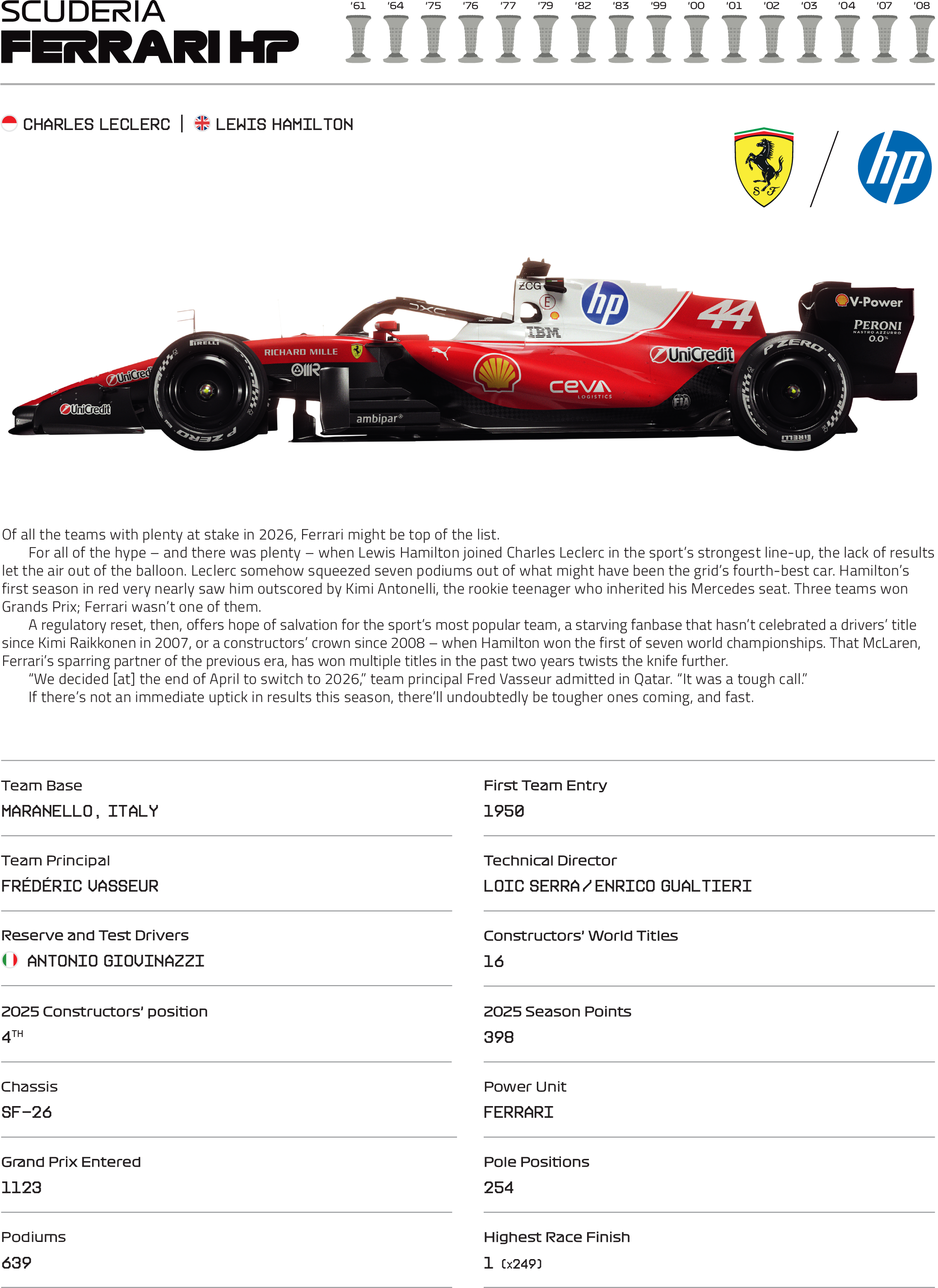
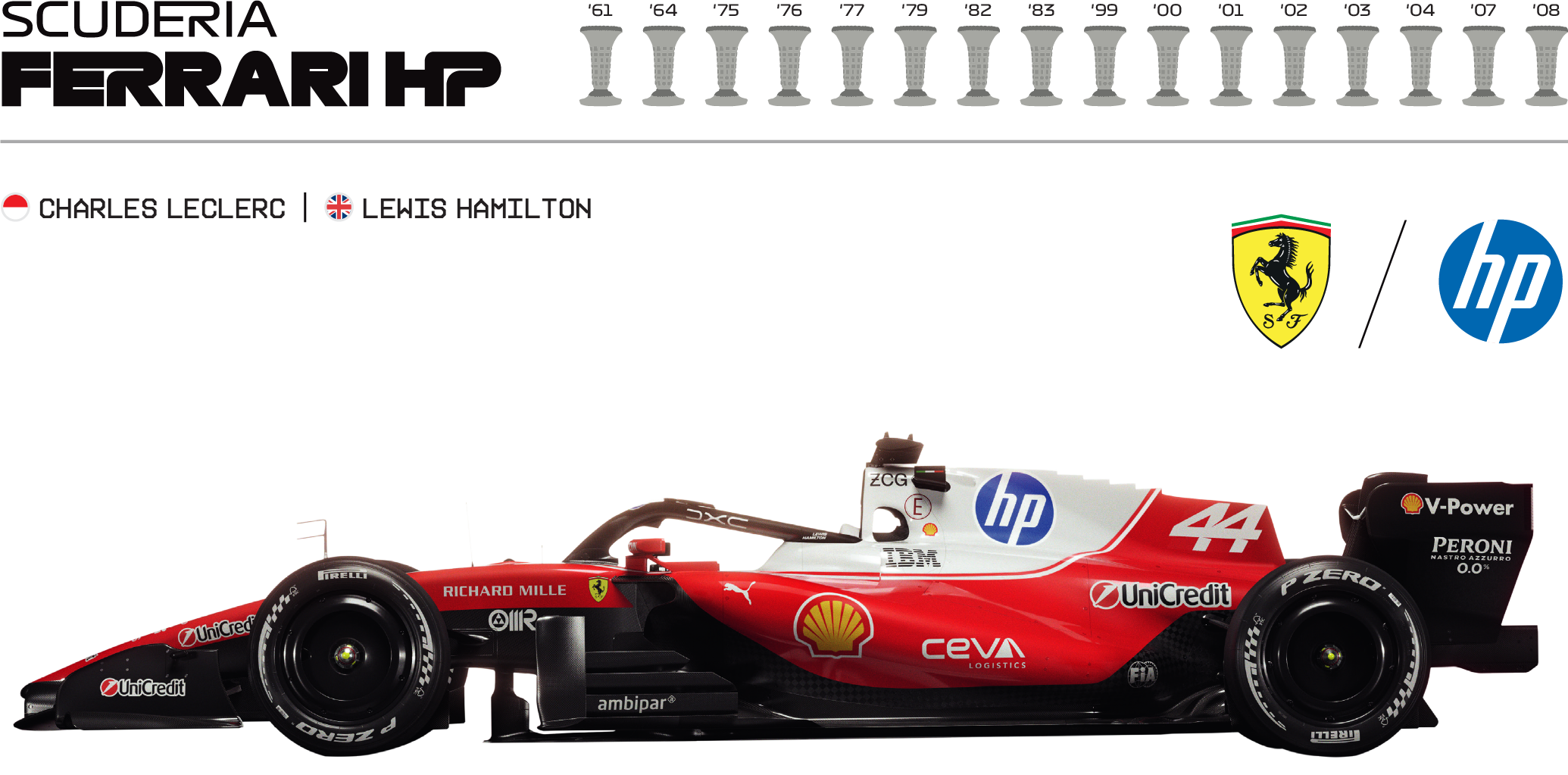
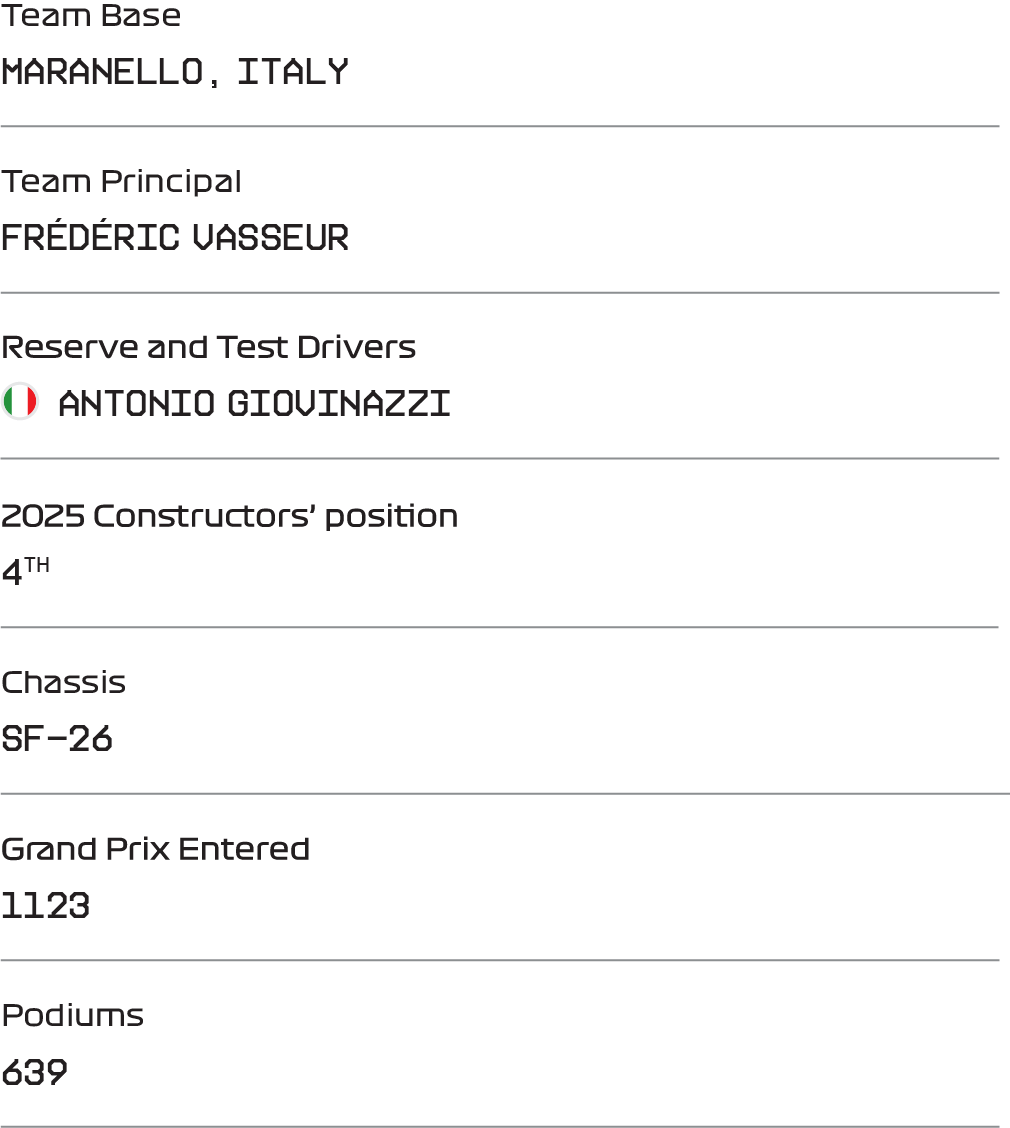
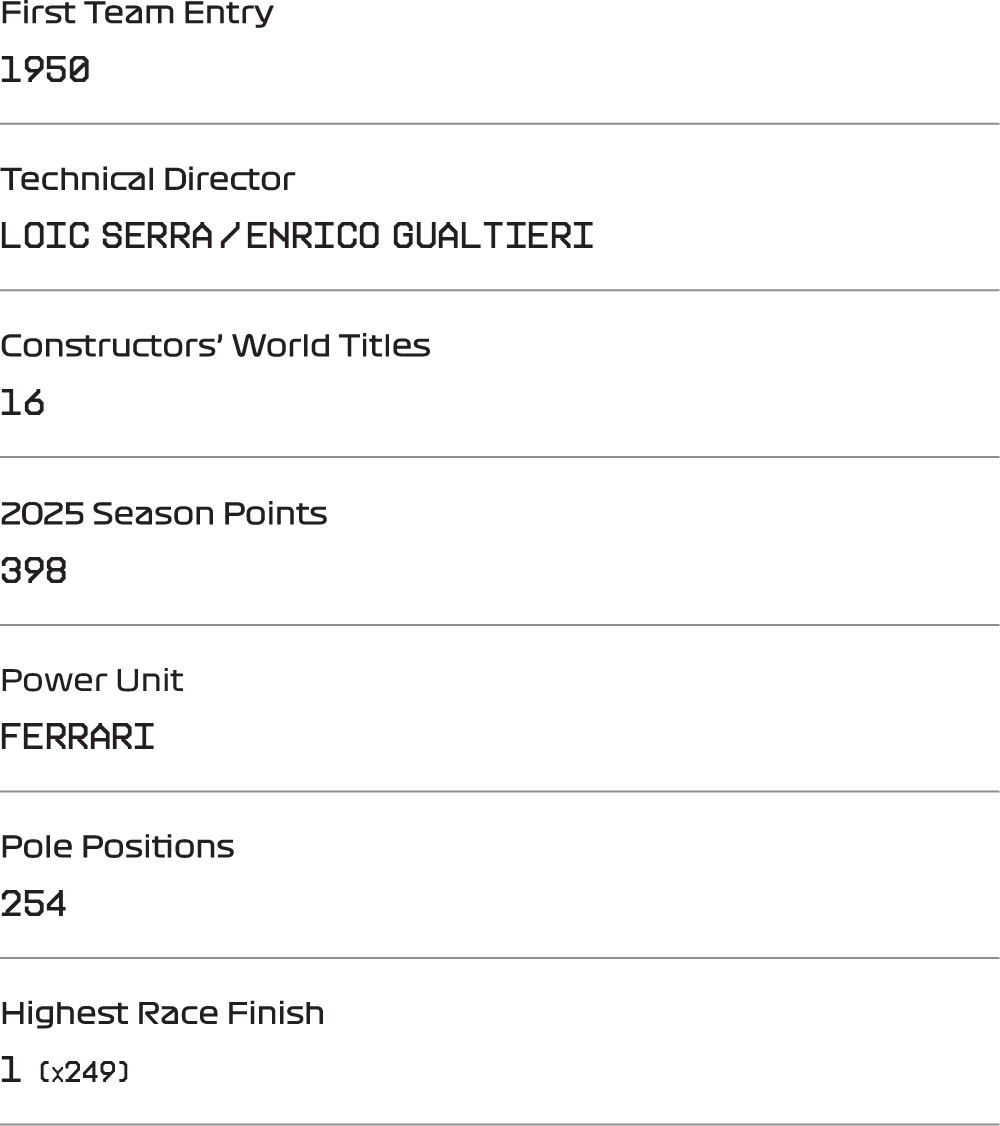
Of all the teams with plenty at stake in 2026, Ferrari might be top of the list.
For all of the hype – and there was plenty – when Lewis Hamilton joined Charles Leclerc in the sport’s strongest line-up, the lack of results let the air out of the balloon. Leclerc somehow squeezed seven podiums out of what might have been the grid’s fourth-best car. Hamilton’s first season in red very nearly saw him outscored by Kimi Antonelli, the rookie teenager who inherited his Mercedes seat. Three teams won Grands Prix; Ferrari wasn’t one of them.
A regulatory reset, then, offers hope of salvation for the sport’s most popular team, a starving fanbase that hasn’t celebrated a drivers’ title since Kimi Raikkonen in 2007, or a constructors’ crown since 2008 – when Hamilton won the first of seven world championships. That McLaren, Ferrari’s sparring partner of the previous era, has won multiple titles in the past two years twists the knife further.
“We decided [at] the end of April to switch to 2026,” team principal Fred Vasseur admitted in Qatar. “It was a tough call.”
If there’s not an immediate uptick in results this season, there’ll undoubtedly be tougher ones coming, and fast.

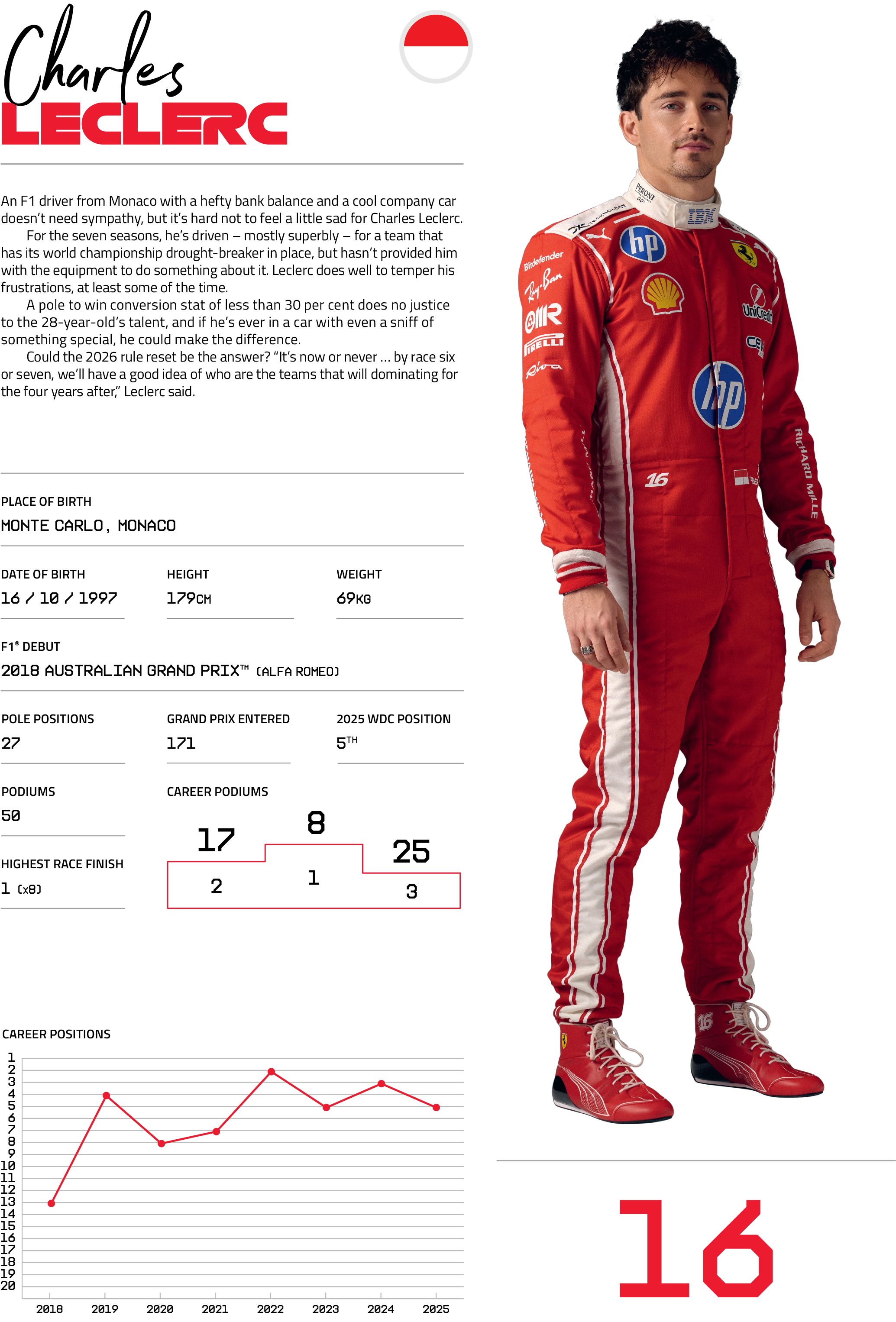
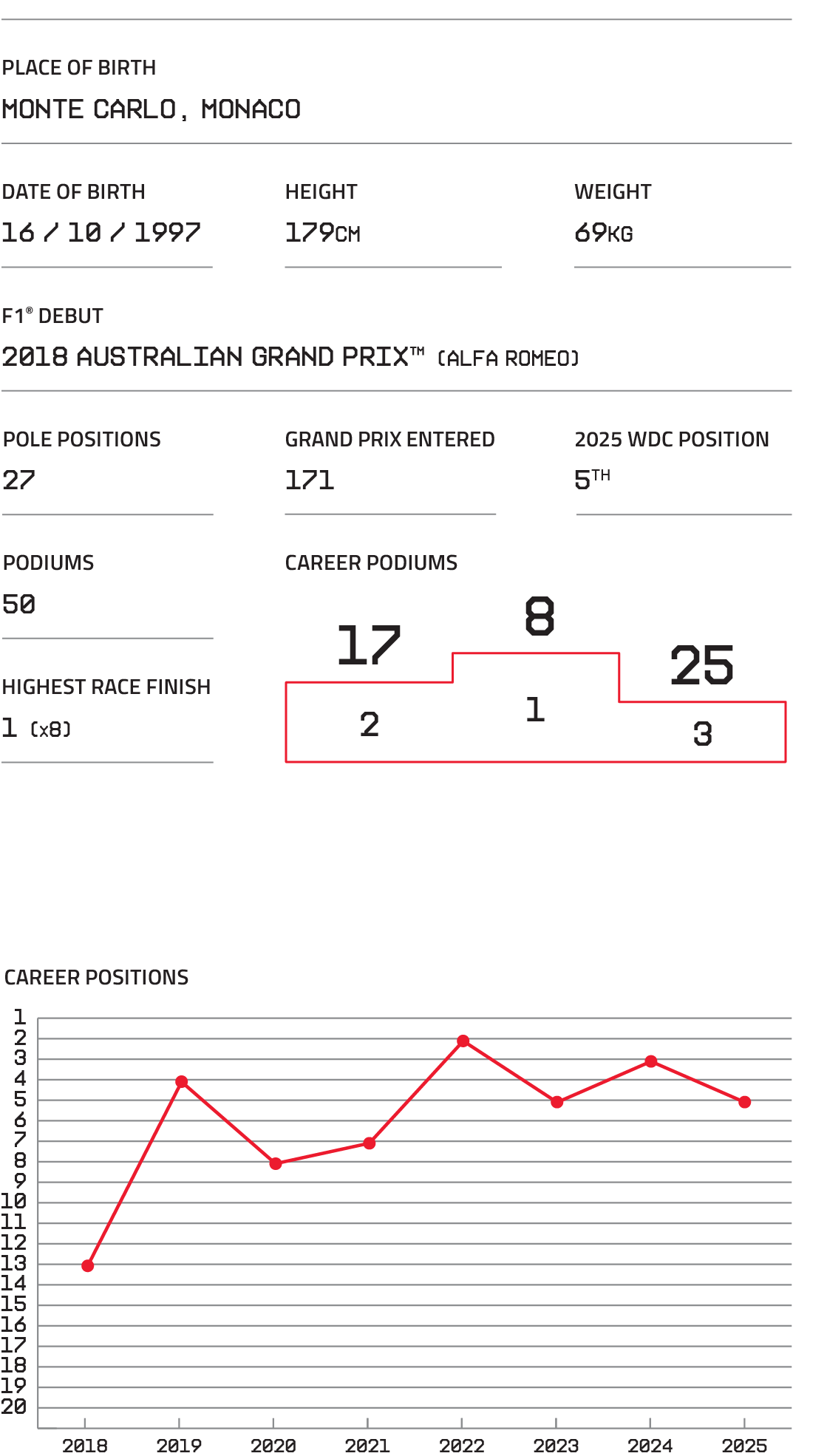
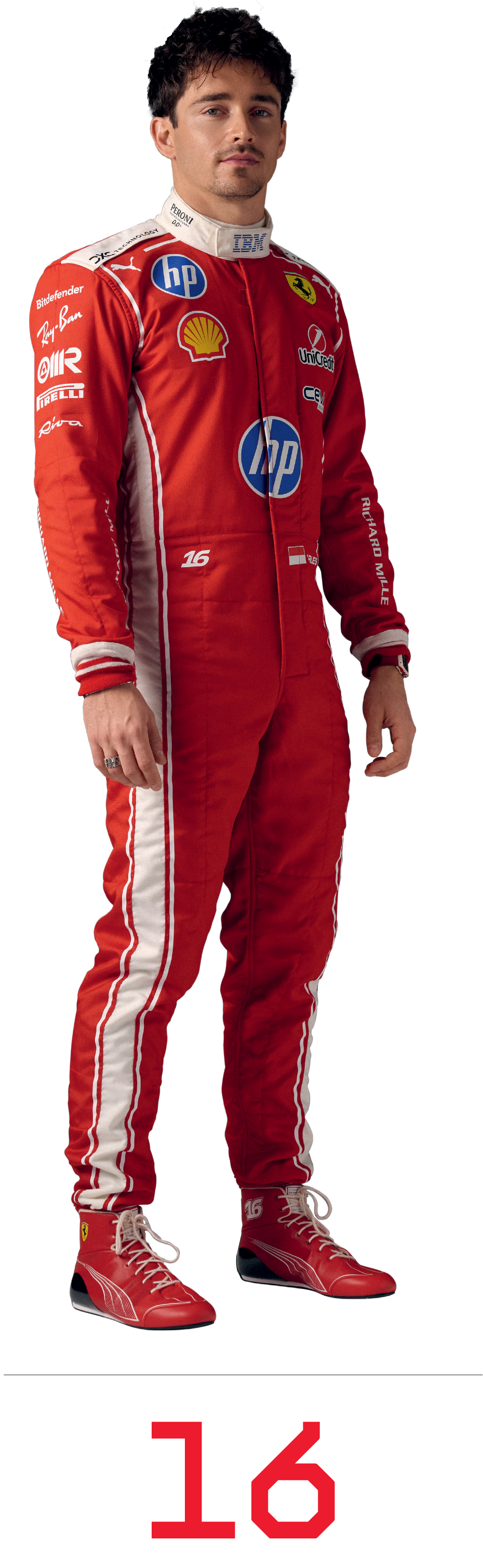
An F1 driver from Monaco with a hefty bank balance and a cool company car doesn’t need sympathy, but it’s hard not to feel a little sad for Charles Leclerc.
For the seven seasons, he’s driven – mostly superbly – for a team that has its world championship drought-breaker in place, but hasn’t provided him with the equipment to do something about it. Leclerc does well to temper his frustrations, at least some of the time.
A pole to win conversion stat of less than 30 per cent does no justice to the 28-year-old’s talent, and if he’s ever in a car with even a sniff of something special, he could make the difference.
Could the 2026 rule reset be the answer? “It’s now or never … by race six or seven, we’ll have a good idea of who are the teams that will dominating for the four years after,” Leclerc said.

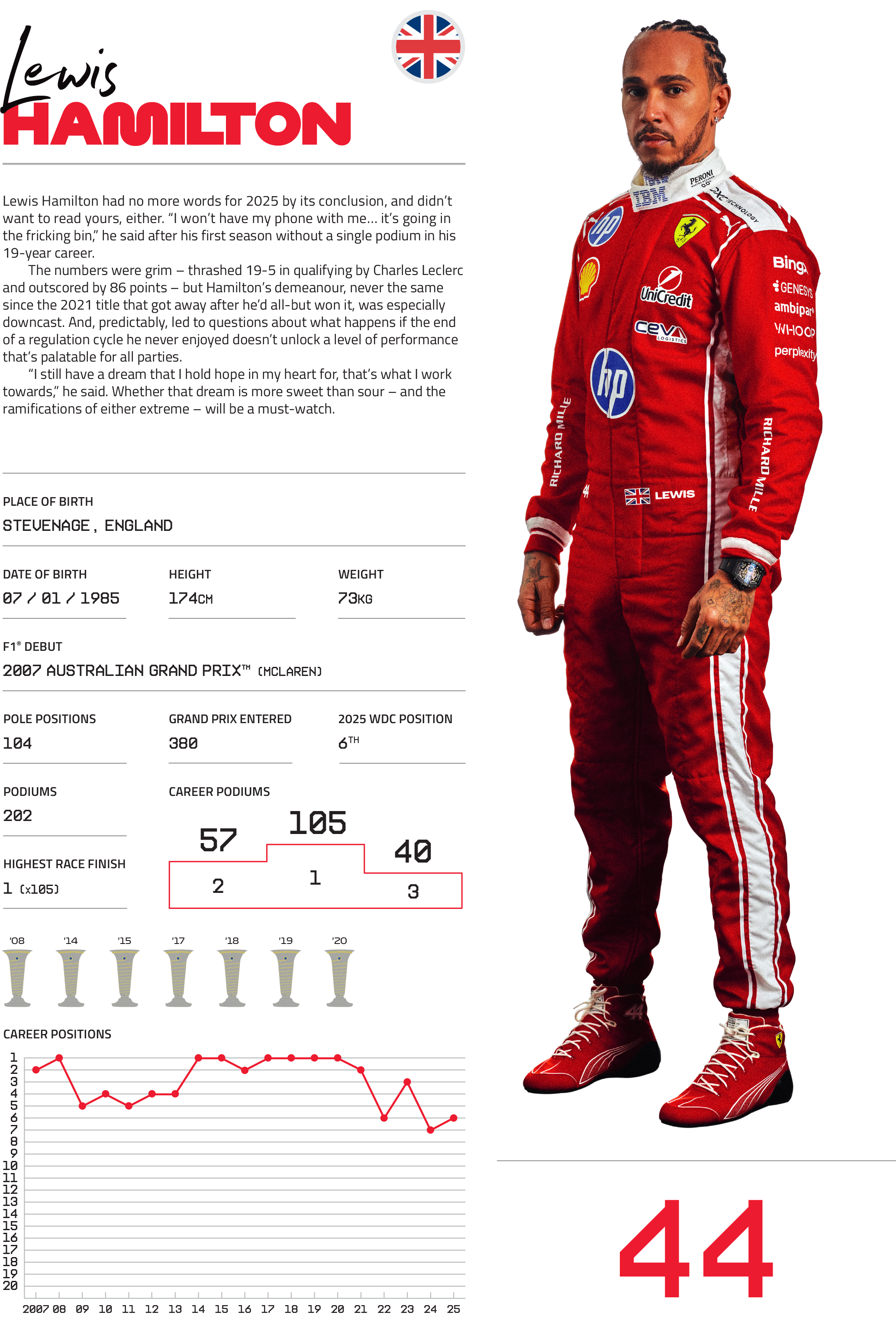
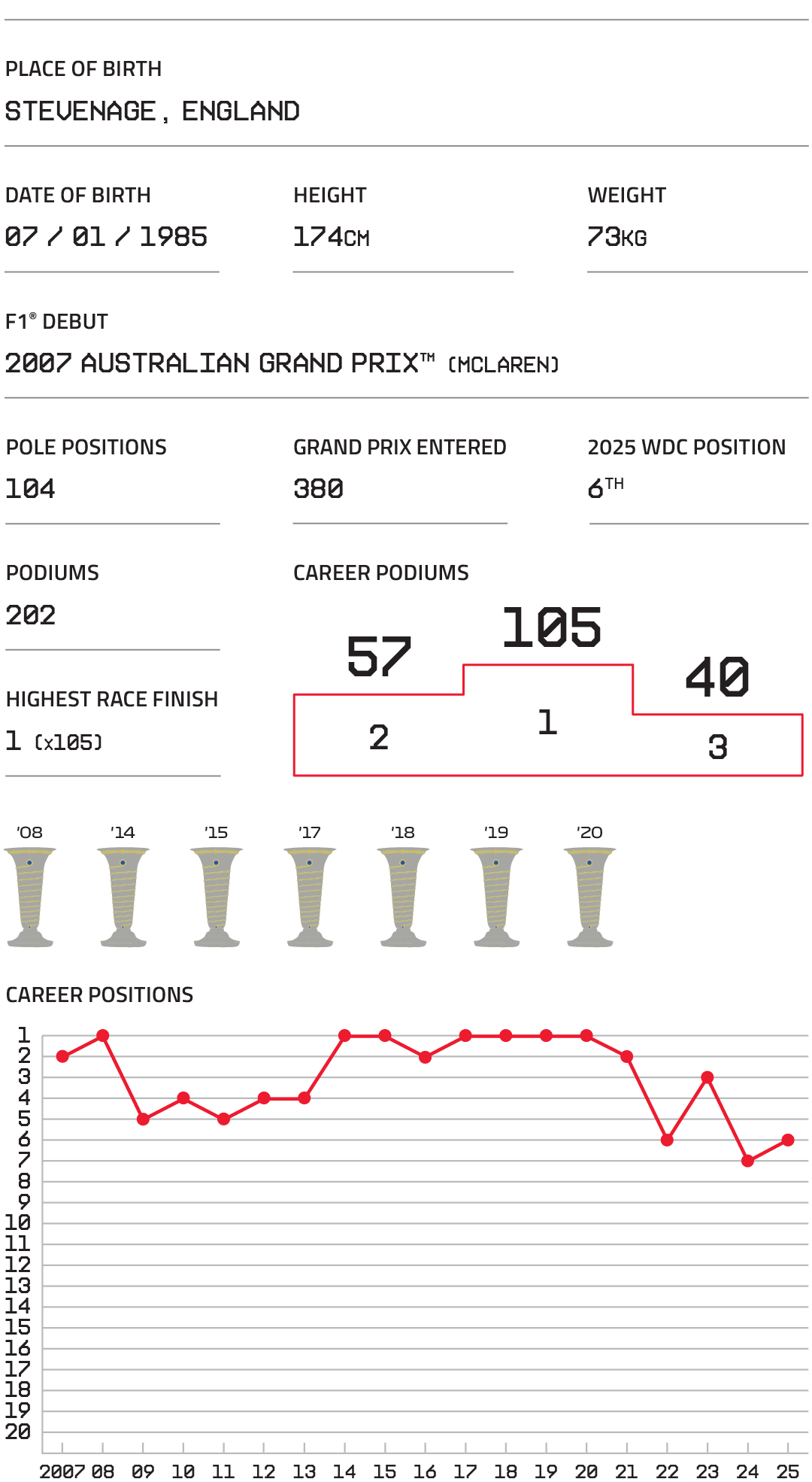
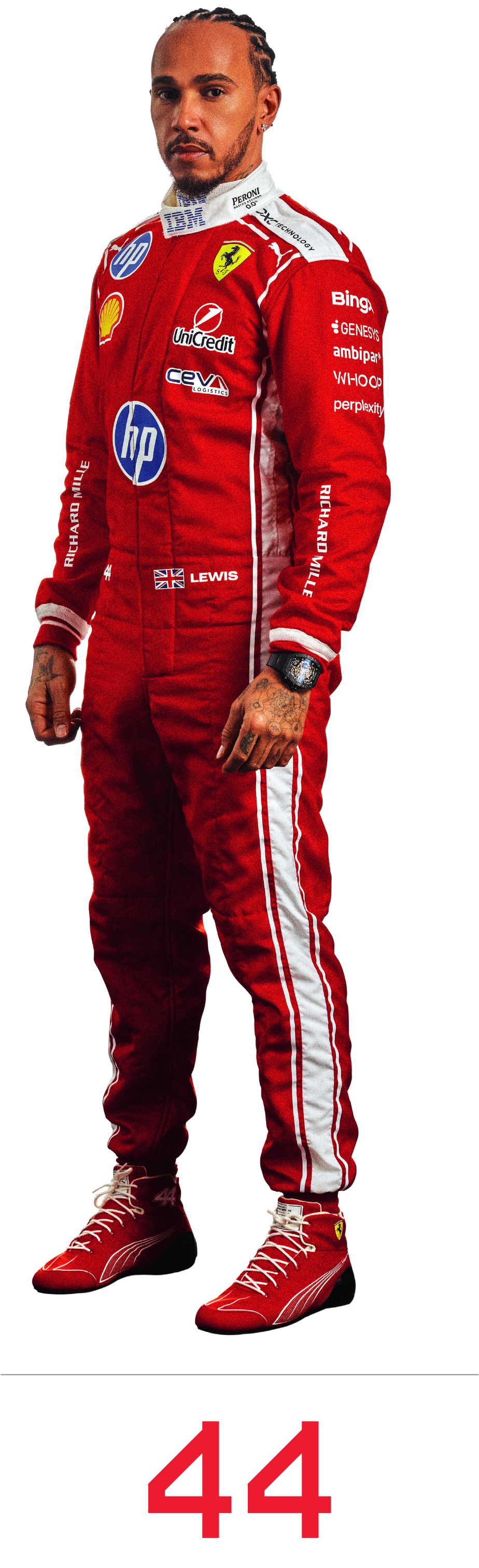
Lewis Hamilton had no more words for 2025 by its conclusion, and didn’t want to read yours, either. “I won’t have my phone with me… it’s going in the fricking bin,” he said after his first season without a single podium in his 19-year career.
The numbers were grim – thrashed 19-5 in qualifying by Charles Leclerc and outscored by 86 points – but Hamilton’s demeanour, never the same since the 2021 title that got away after he’d all-but won it, was especially downcast. And, predictably, led to questions about what happens if the end of a regulation cycle he never enjoyed doesn’t unlock a level of performance that’s palatable for all parties.
“I still have a dream that I hold hope in my heart for, that’s what I work towards,” he said. Whether that dream is more sweet than sour – and the ramifications of either extreme – will be a must-watch.
CLOSE
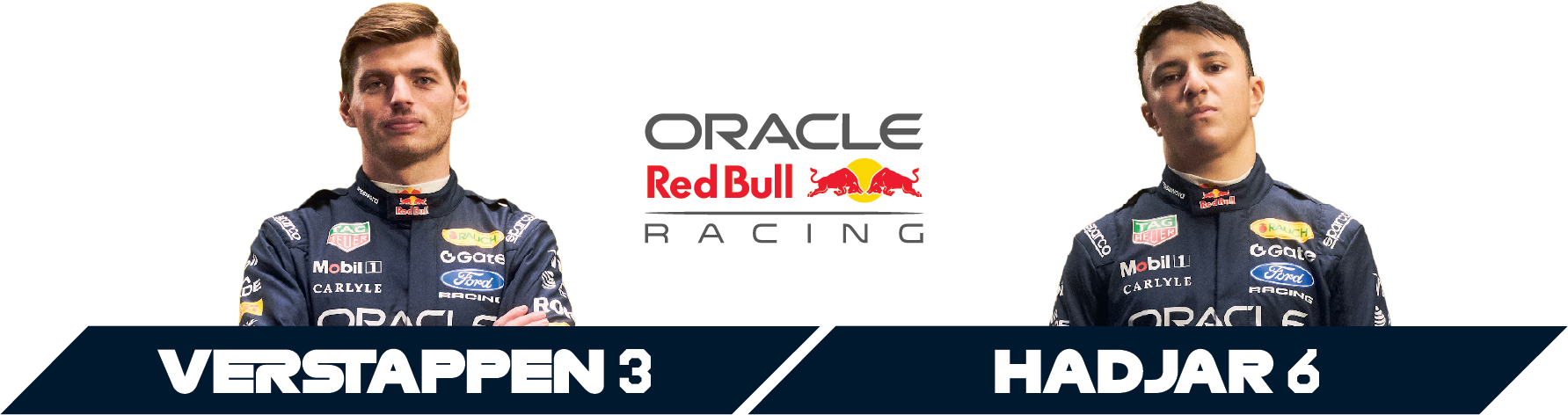
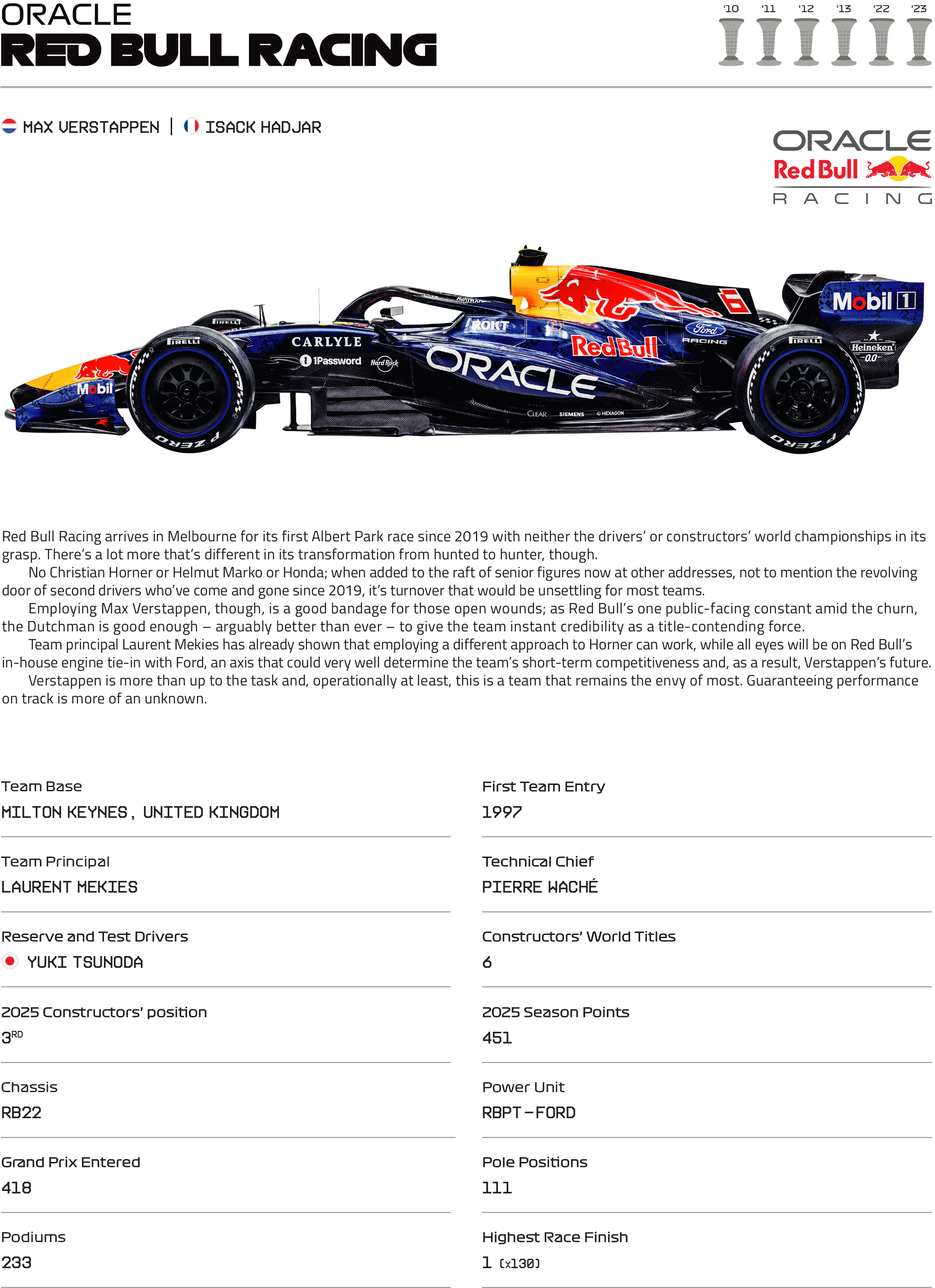
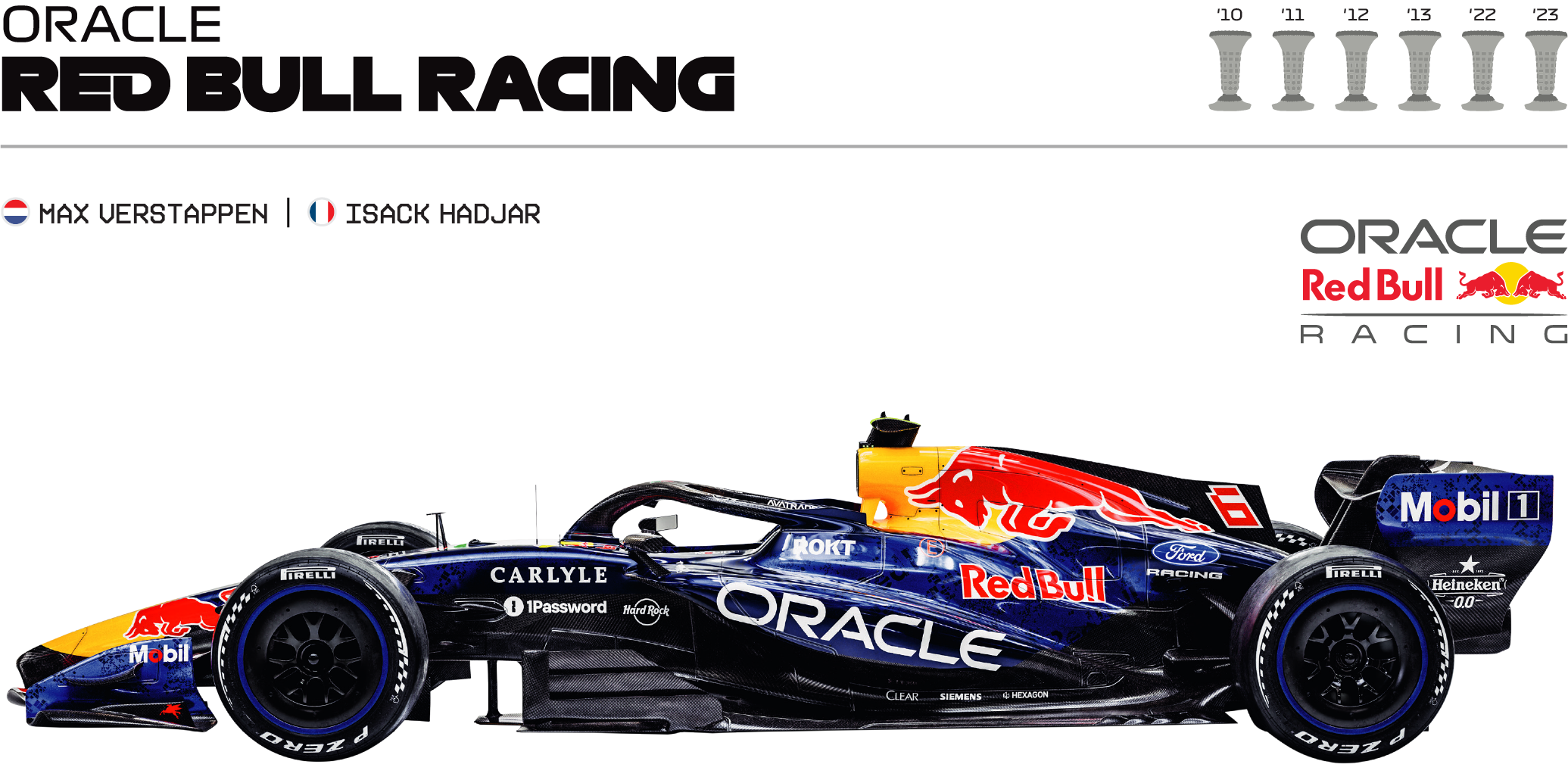
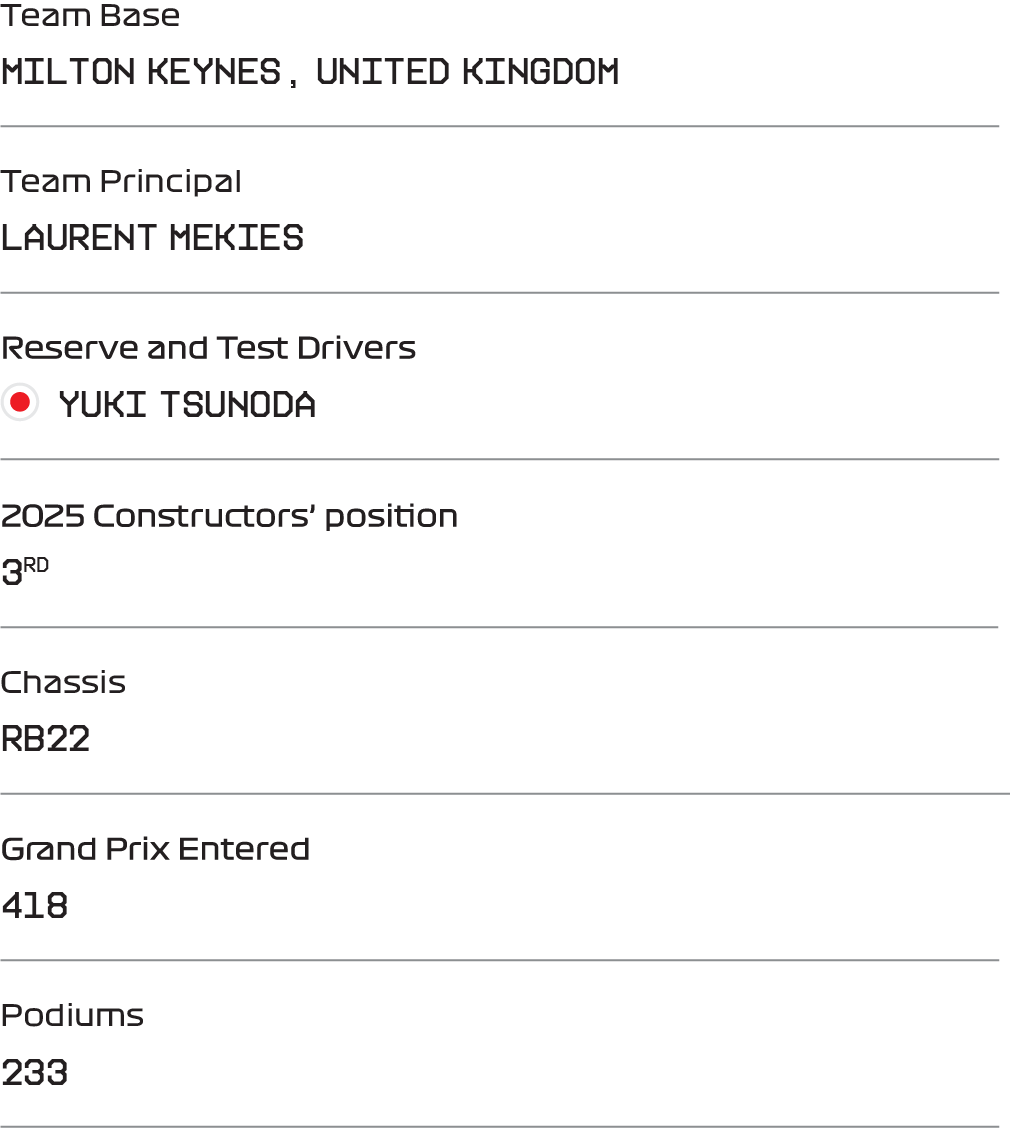
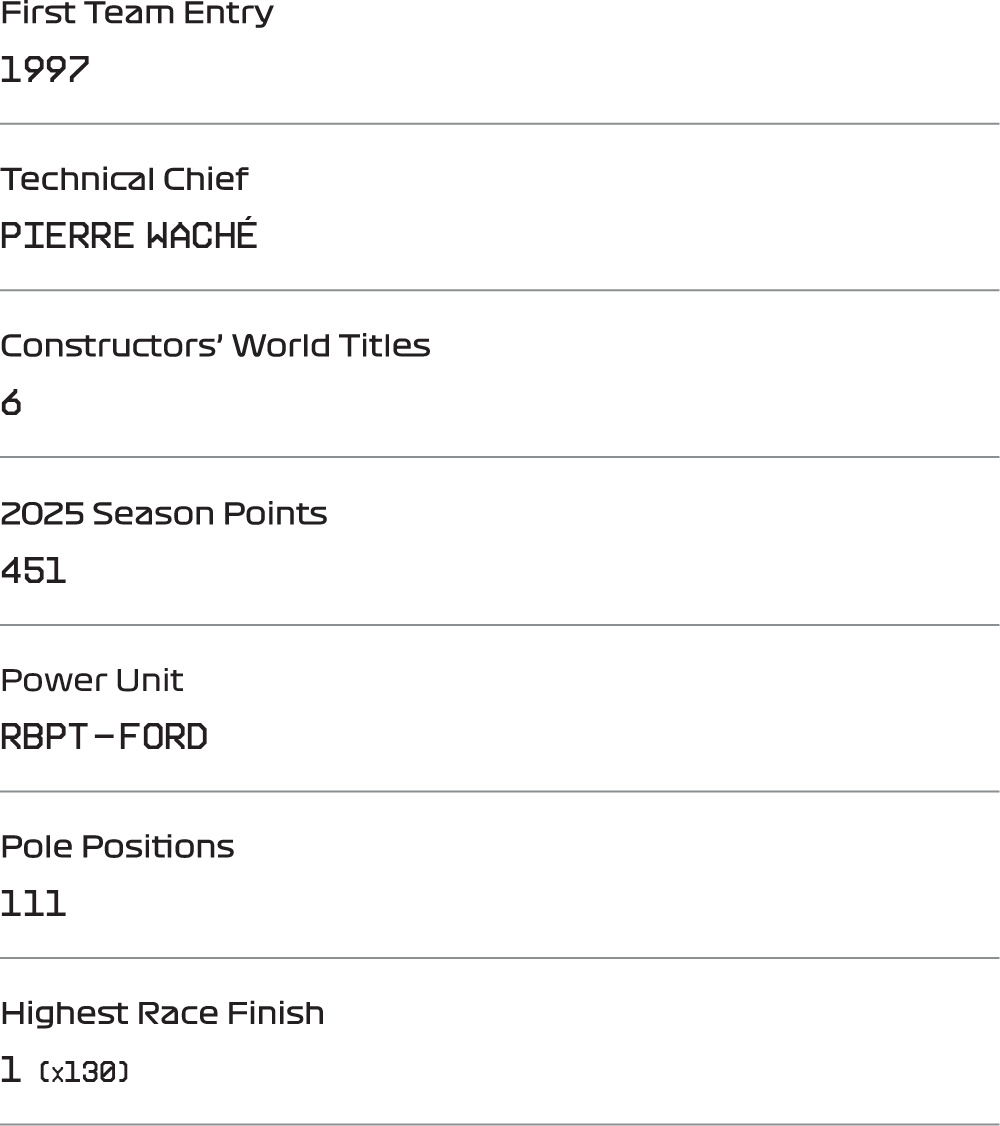
Red Bull Racing arrives in Melbourne for its first Albert Park race since 2019 with neither the drivers’ or constructors’ world championships in its grasp. There’s a lot more that’s different in its transformation from hunted to hunter, though.
No Christian Horner or Helmut Marko or Honda; when added to the raft of senior figures now at other addresses, not to mention the revolving door of second drivers who’ve come and gone since 2019, it’s turnover that would be unsettling for most teams.
Employing Max Verstappen, though, is a good bandage for those open wounds; as Red Bull’s one public-facing constant amid the churn, the Dutchman is good enough – arguably better than ever – to give the team instant credibility as a title-contending force.
Team principal Laurent Mekies has already shown that employing a different approach to Horner can work, while all eyes will be on Red Bull’s in-house engine tie-in with Ford, an axis that could very well determine the team’s short-term competitiveness and, as a result, Verstappen’s future.
Verstappen is more than up to the task and, operationally at least, this is a team that remains the envy of most. Guaranteeing performance on track is more of an unknown.

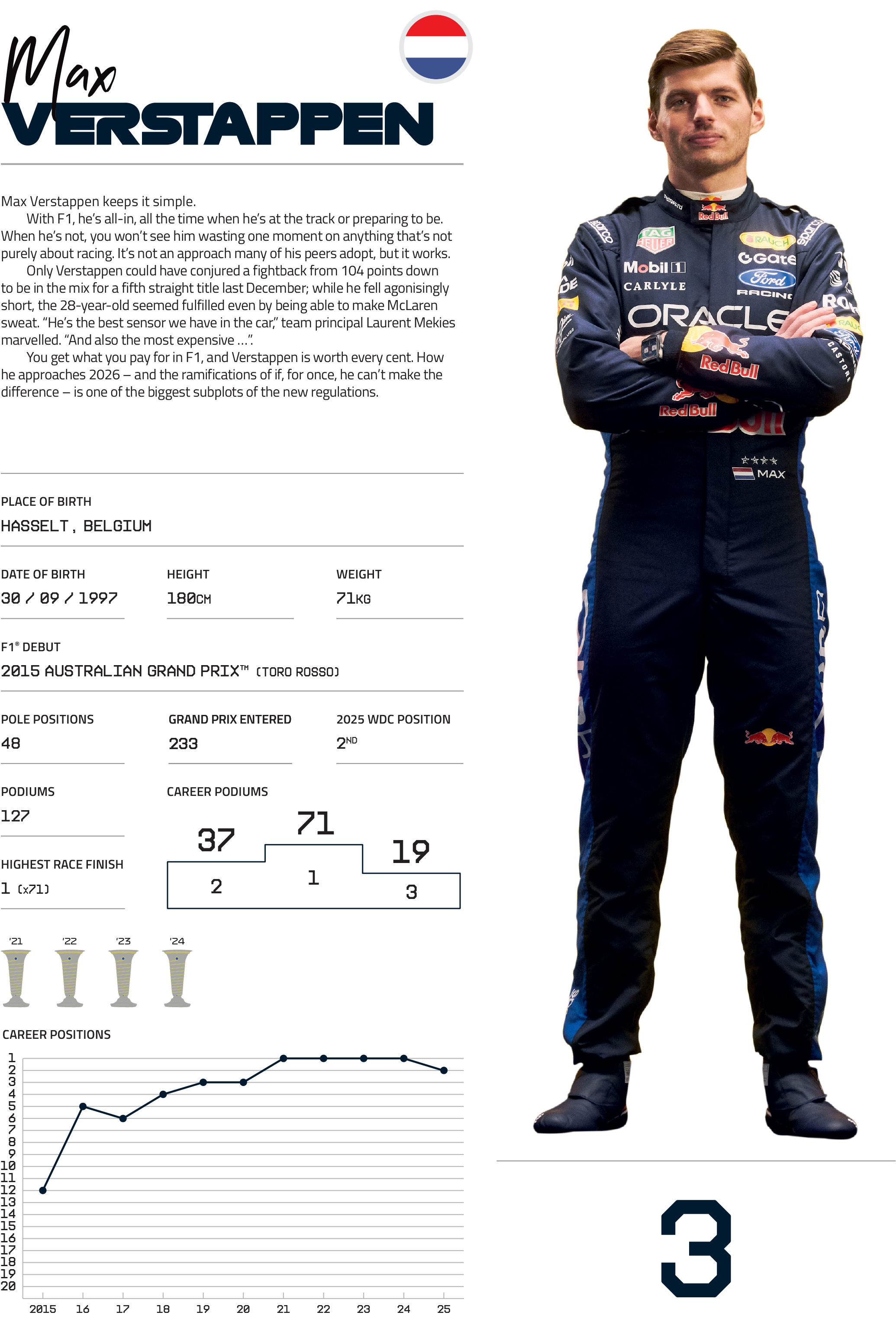
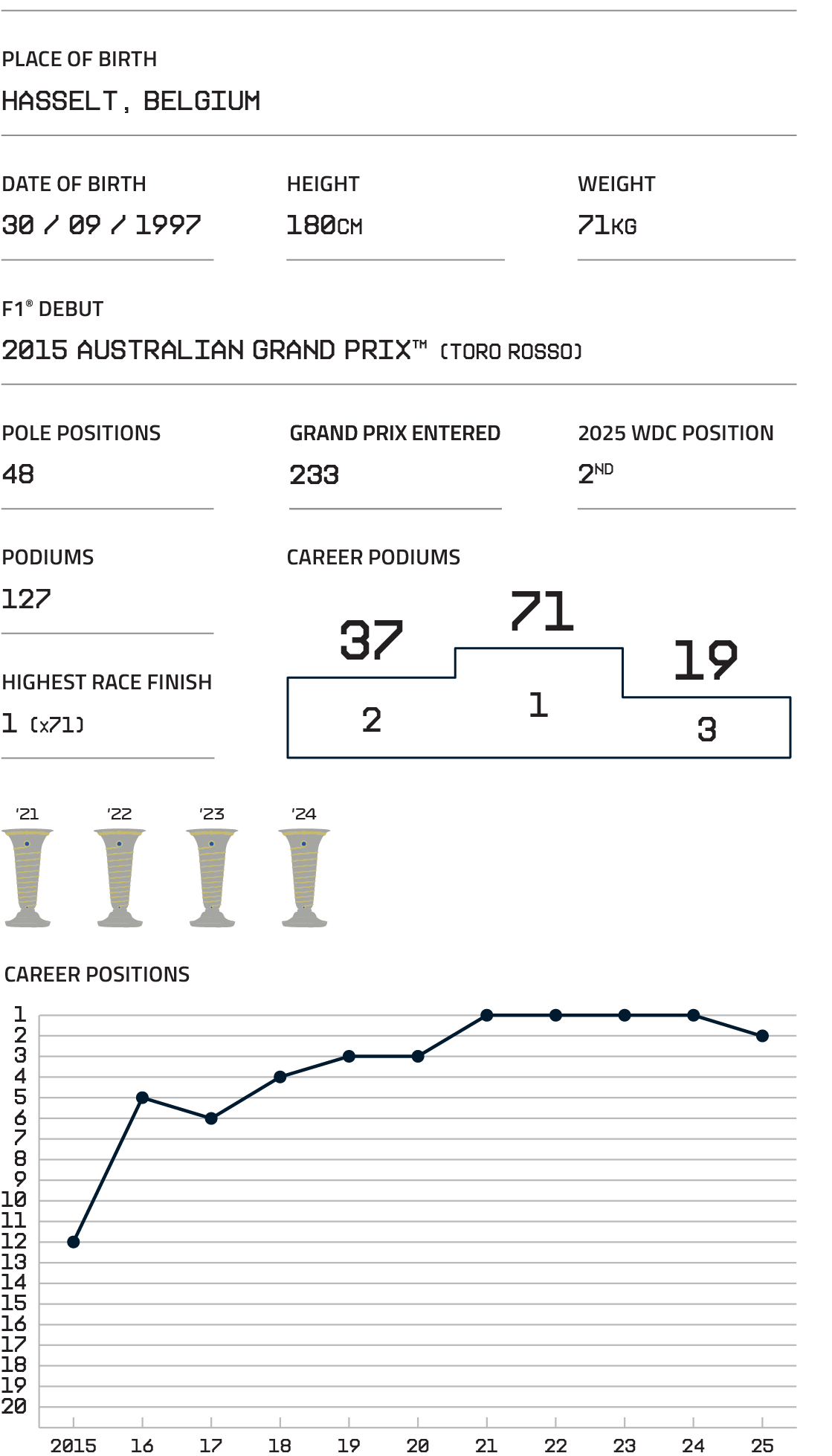
Max Verstappen keeps it simple.
With F1, he’s all-in, all the time when he’s at the track or preparing to be. When he’s not, you won’t see him wasting one moment on anything that’s not purely about racing. It’s not an approach many of his peers adopt, but it works.
Only Verstappen could have conjured a fightback from 104 points down to be in the mix for a fifth straight title last December; while he fell agonisingly short, the 28-year-old seemed fulfilled even by being able to make McLaren sweat. “He’s the best sensor we have in the car,” team principal Laurent Mekies marvelled. “And also the most expensive …”.
You get what you pay for in F1, and Verstappen is worth every cent. How he approaches 2026 – and the ramifications of if, for once, he can’t make the difference – is one of the biggest subplots of the new regulations.
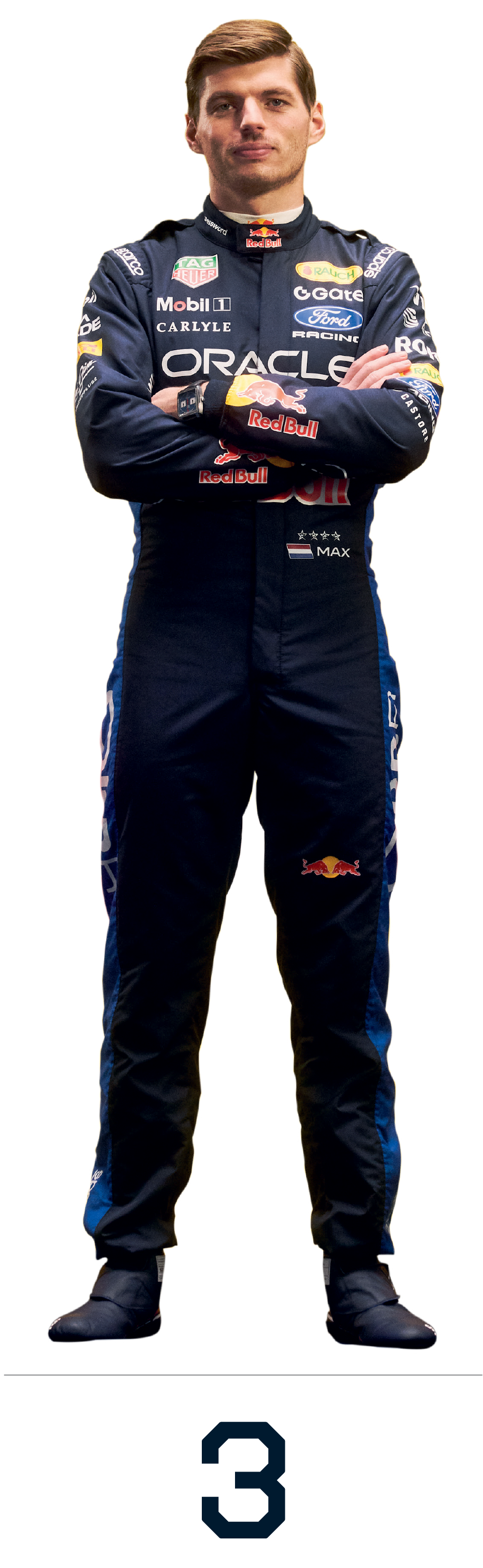
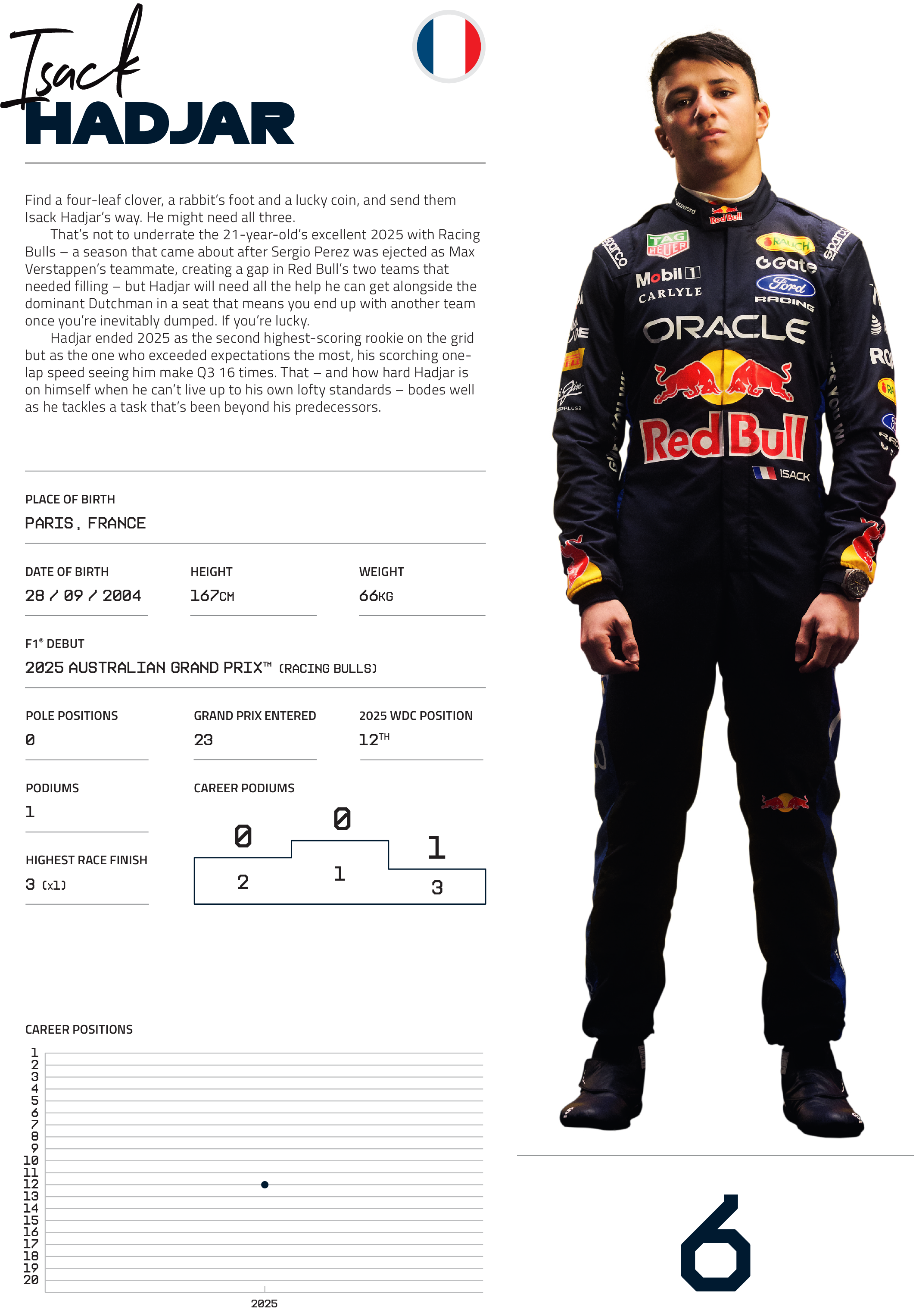
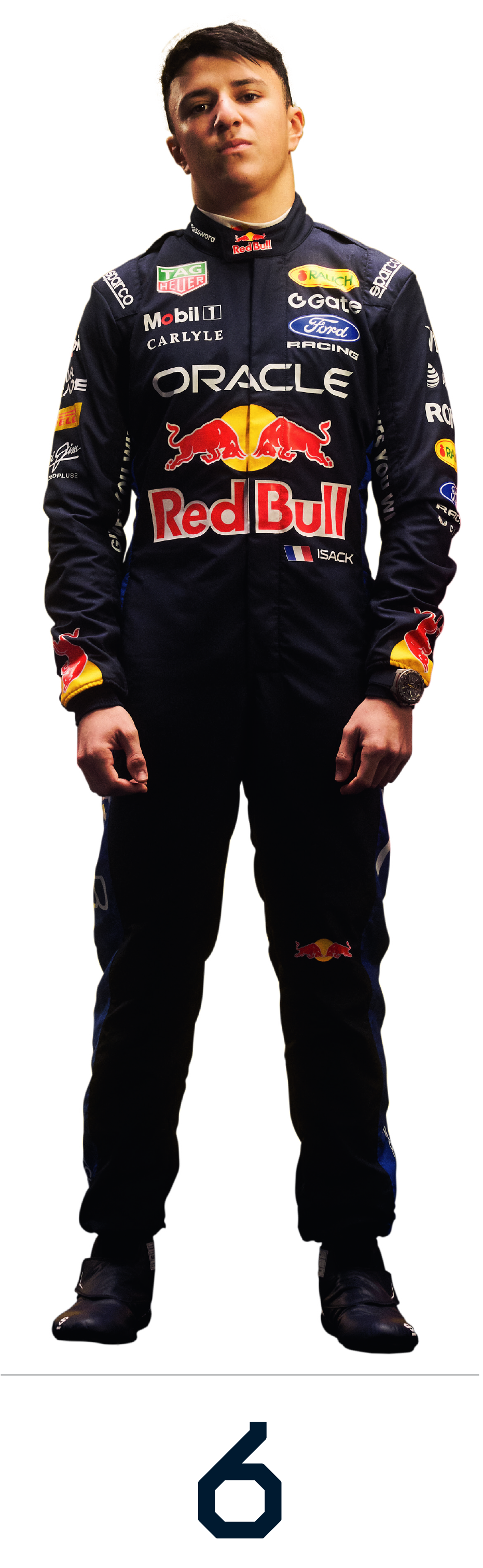
Find a four-leaf clover, a rabbit’s foot and a lucky coin, and send them Isack Hadjar’s way. He might need all three.
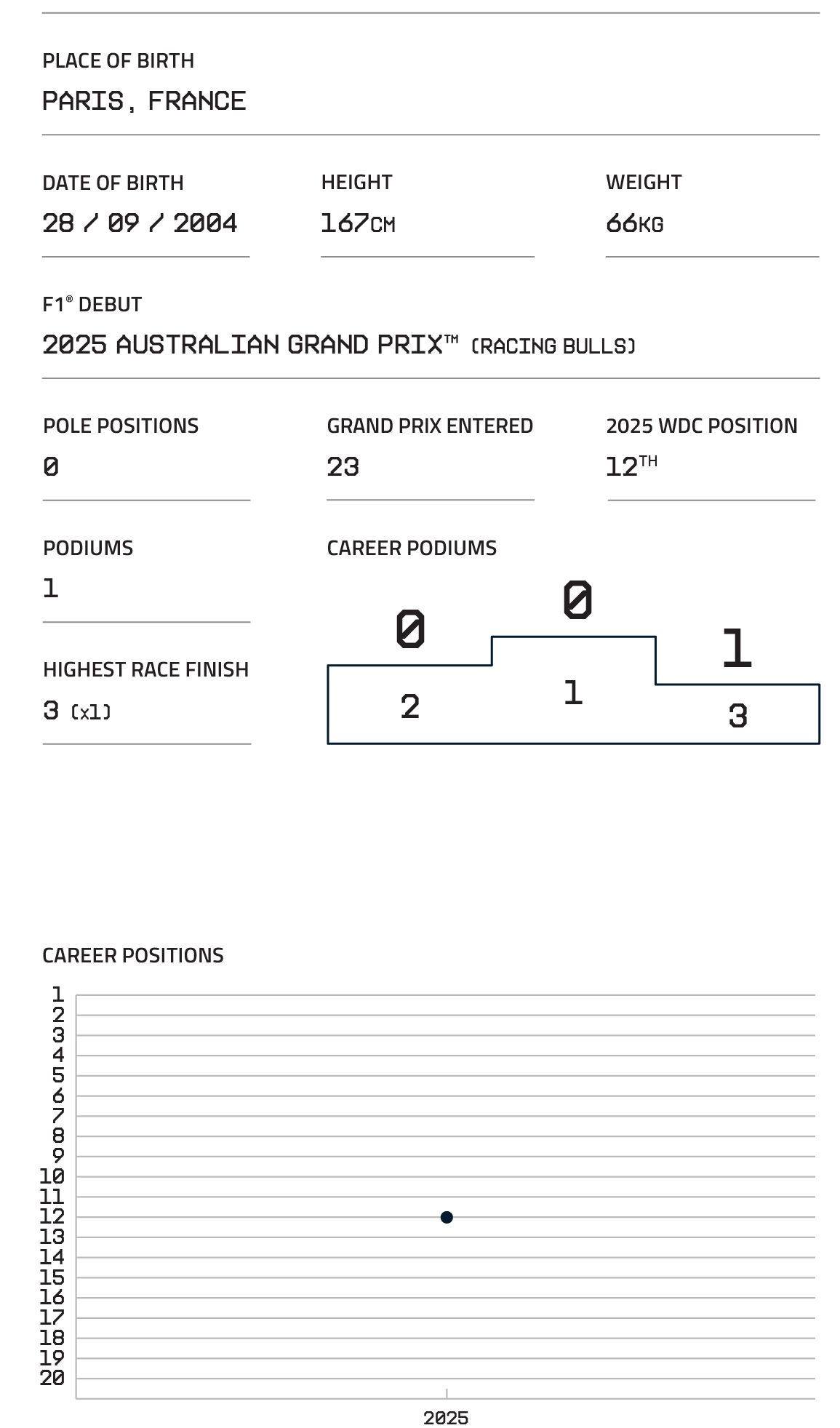
That’s not to underrate the 21-year-old’s excellent 2025 with Racing Bulls – a season that came about after Sergio Perez was ejected as Max Verstappen’s teammate, creating a gap in Red Bull’s two teams that needed filling – but Hadjar will need all the help he can get alongside the dominant Dutchman in a seat that means you end up with another team once you’re inevitably dumped. If you’re lucky.
Hadjar ended 2025 as the second highest-scoring rookie on the grid but as the one who exceeded expectations the most, his scorching one- lap speed seeing him make Q3 16 times. That – and how hard Hadjar is on himself when he can’t live up to his own lofty standards – bodes well as he tackles a task that’s been beyond his predecessors
CLOSE
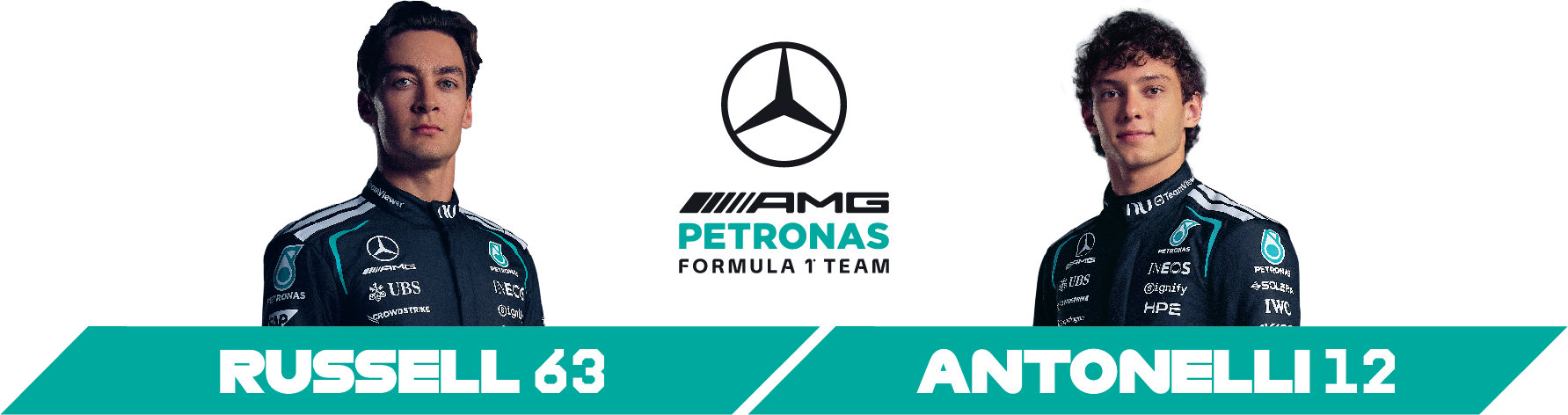
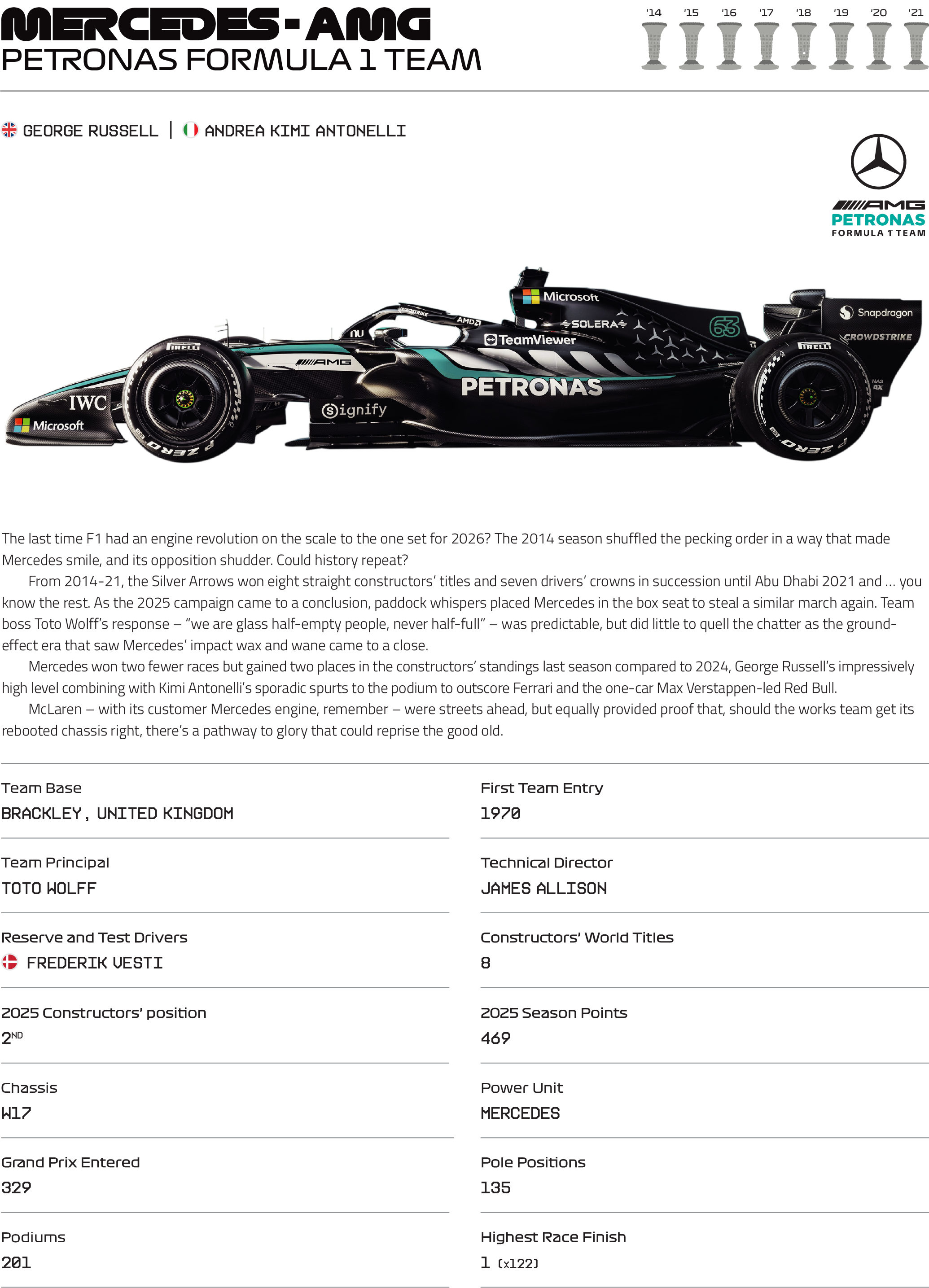
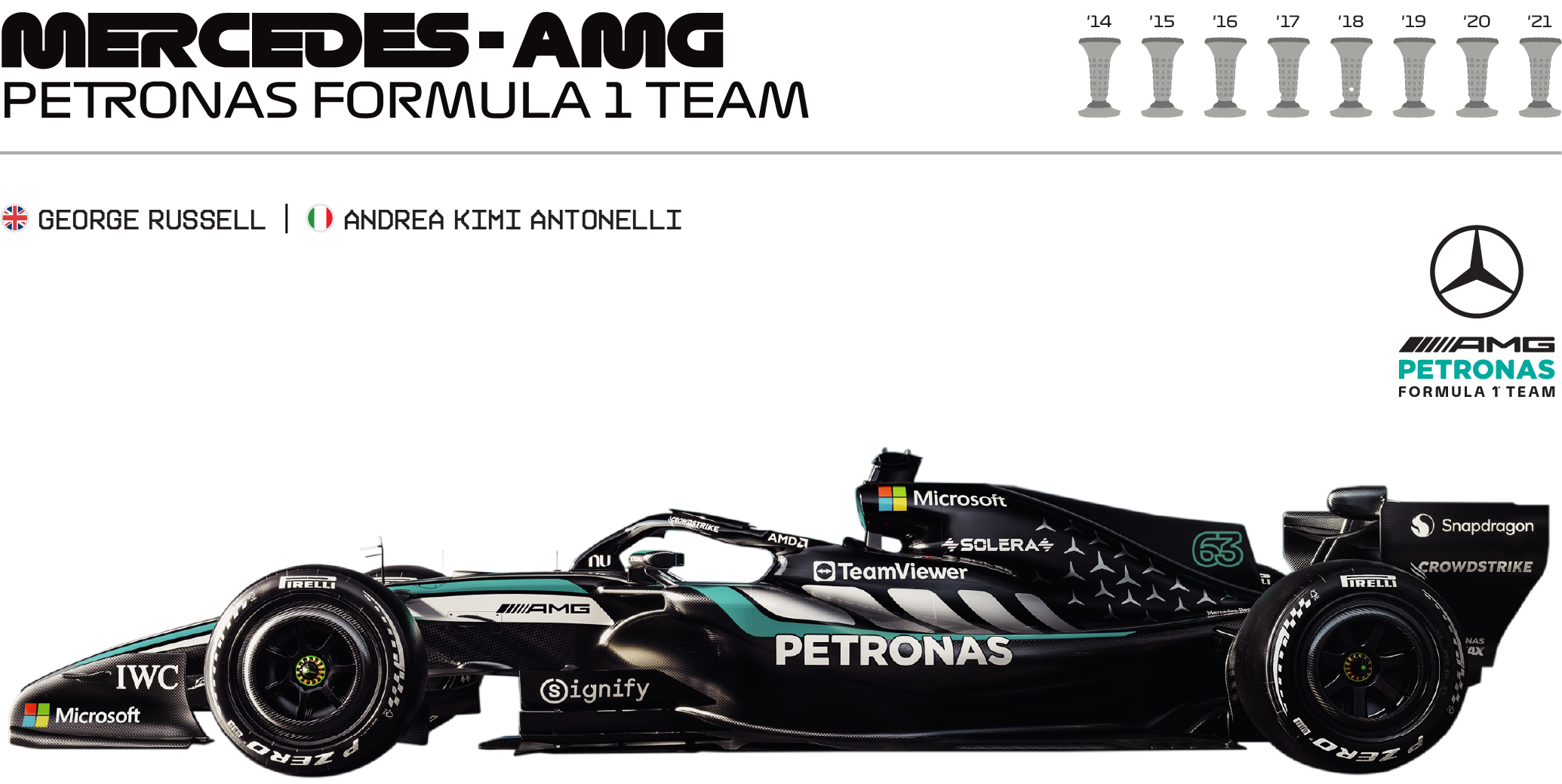
The last time F1 had an engine revolution on the scale to the one set for 2026? The 2014 season shuffled the pecking order in a way that made Mercedes smile, and its opposition shudder. Could history repeat?
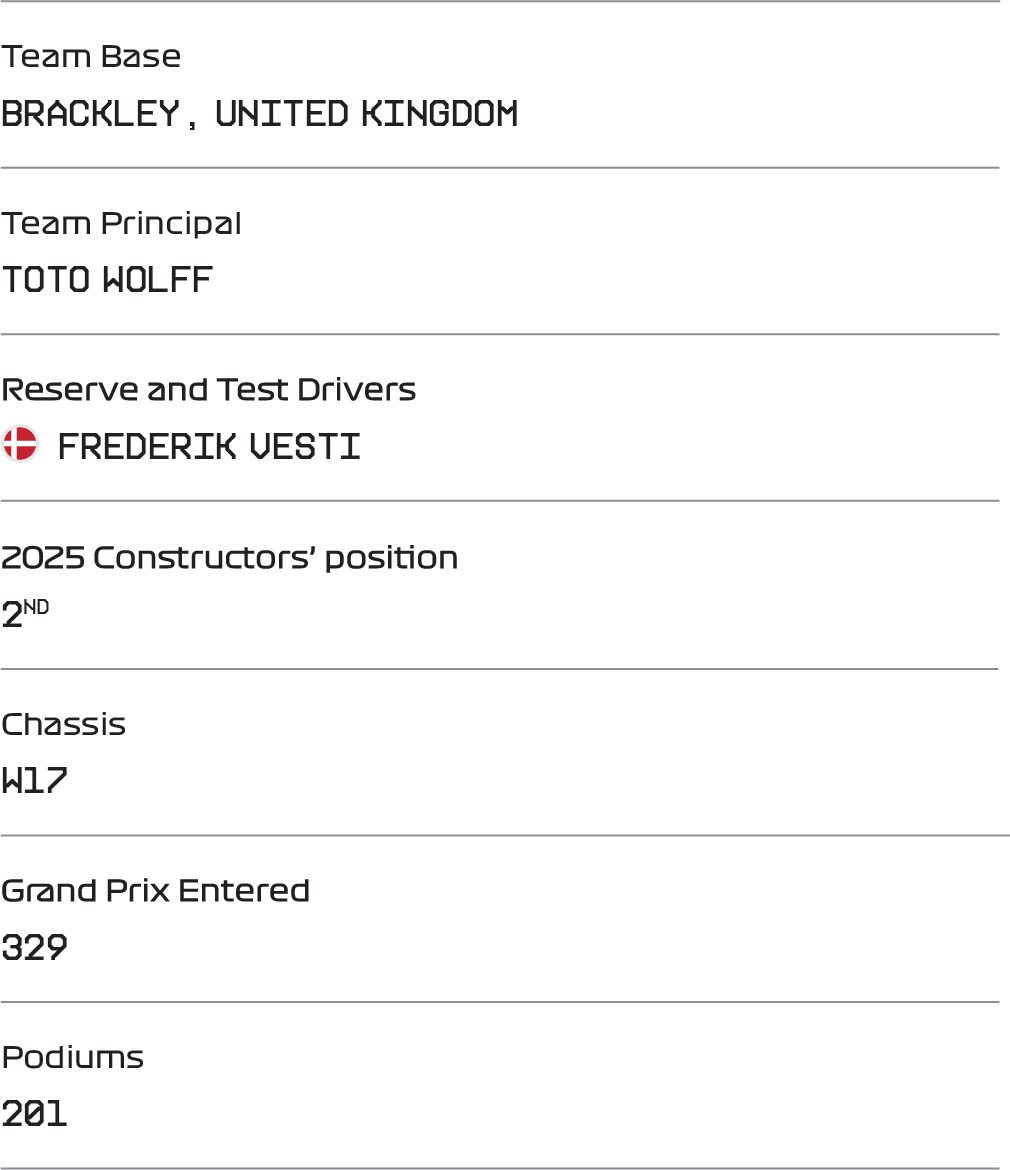
From 2014-21, the Silver Arrows won eight straight constructors’ titles and seven drivers’ crowns in succession until Abu Dhabi 2021 and … you know the rest. As the 2025 campaign came to a conclusion, paddock whispers placed Mercedes in the box seat to steal a similar march again. Team boss Toto Wolff’s response – “we are glass half-empty people, never half-full” – was predictable, but did little to quell the chatter as the ground- effect era that saw Mercedes’ impact wax and wane came to a close.
Mercedes won two fewer races but gained two places in the constructors’ standings last season compared to 2024, George Russell’s impressively high level combining with Kimi Antonelli’s sporadic spurts to the podium to outscore Ferrari and the one-car Max Verstappen-led Red Bull.
McLaren – with its customer Mercedes engine, remember – were streets ahead, but equally provided proof that, should the works team get itsrebooted chassis right, there’s a pathway to glory that could reprise the good old.
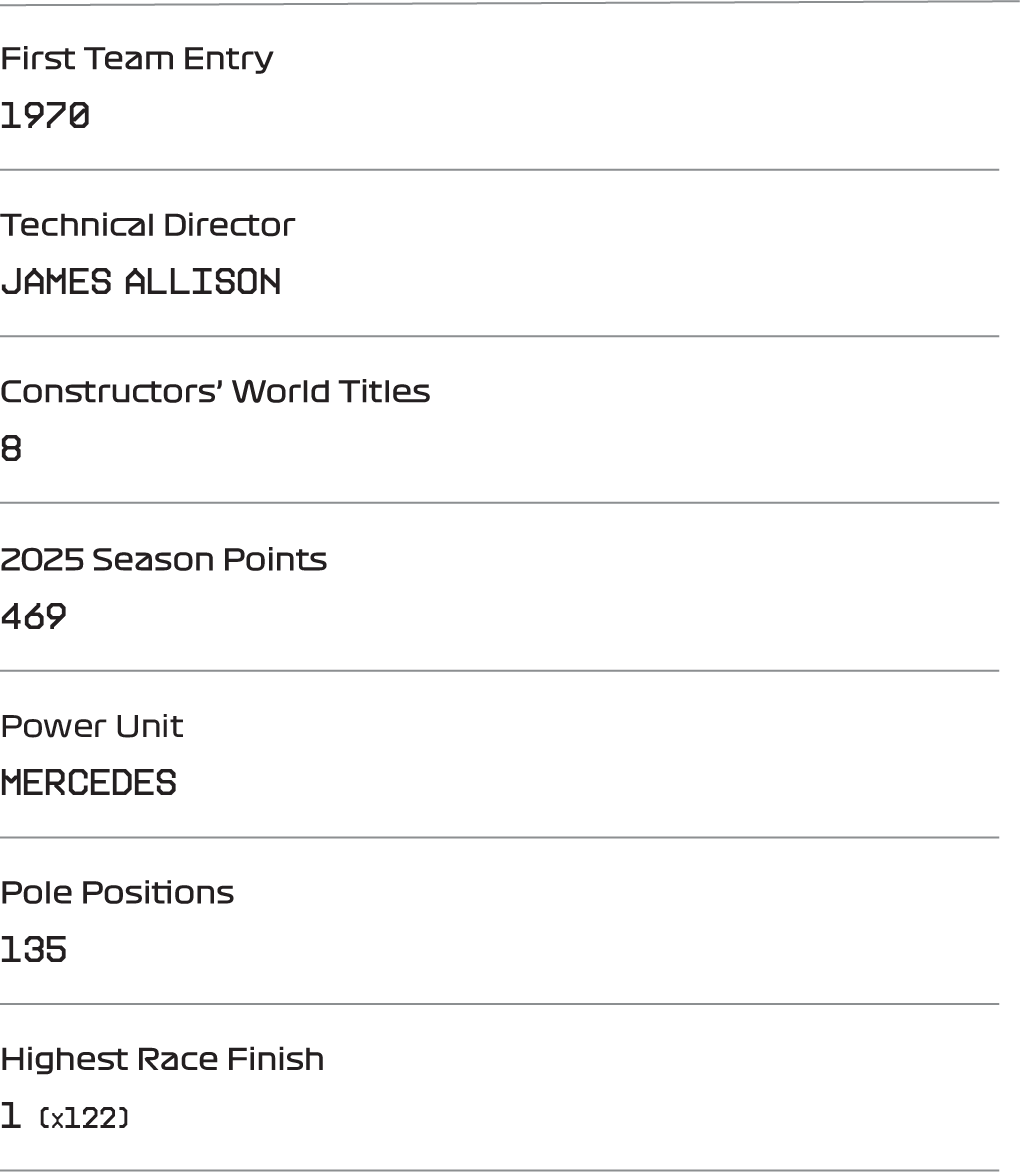

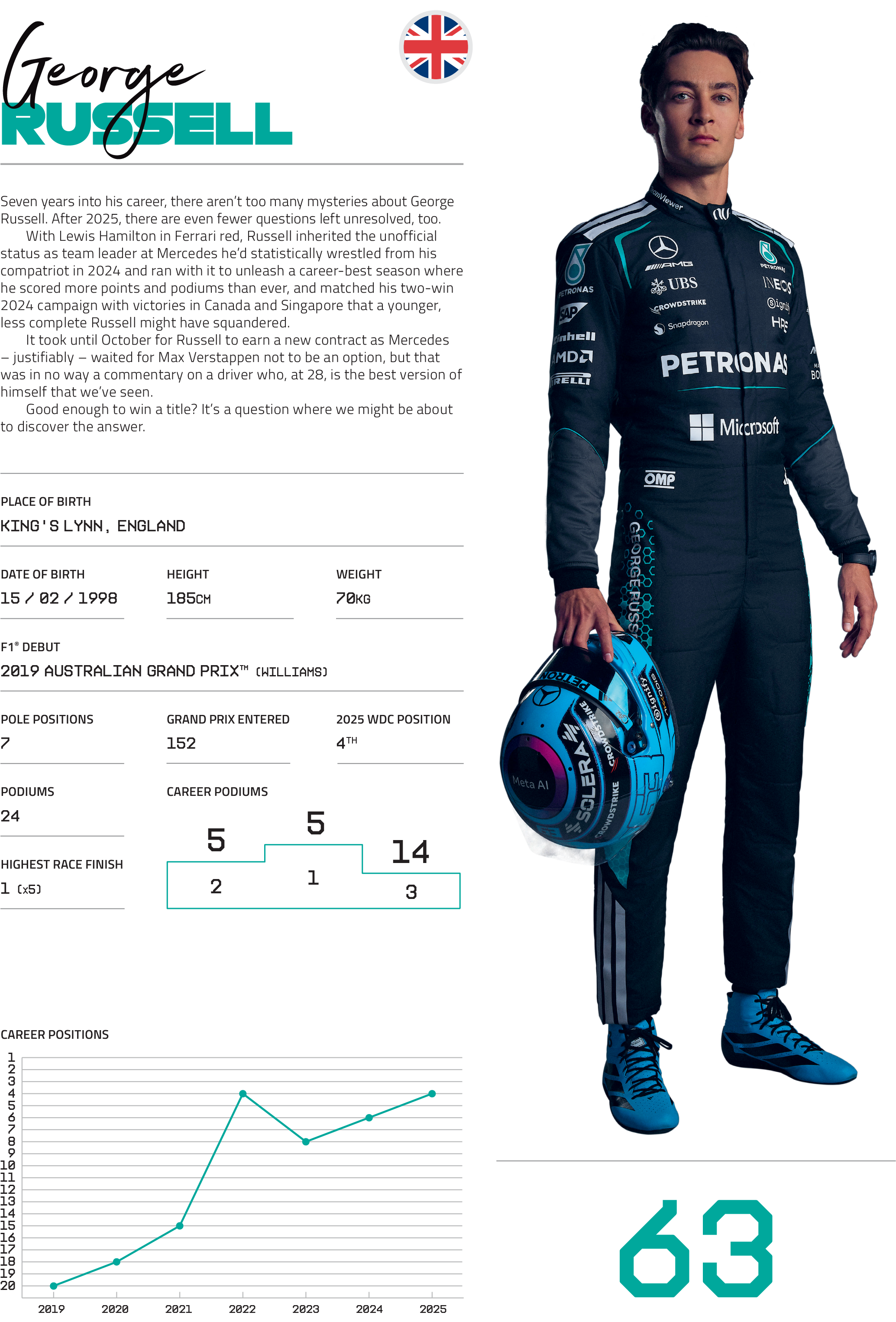
Seven years into his career, there aren’t too many mysteries about George Russell. After 2025, there are even fewer questions left unresolved, too.
With Lewis Hamilton in Ferrari red, Russell inherited the unofficial status as team leader at Mercedes he’d statistically wrestled from his compatriot in 2024 and ran with it to unleash a career-best season where he scored more points and podiums than ever, and matched his two-win 2024 campaign with victories in Canada and Singapore that a younger, less complete Russell might have squandered.
It took until October for Russell to earn a new contract as Mercedes – justifiably – waited for Max Verstappen not to be an option, but that was in no way a commentary on a driver who, at 28, is the best version of himself that we’ve seen.
Good enough to win a title? It’s a question where we might be about to discover the answer.
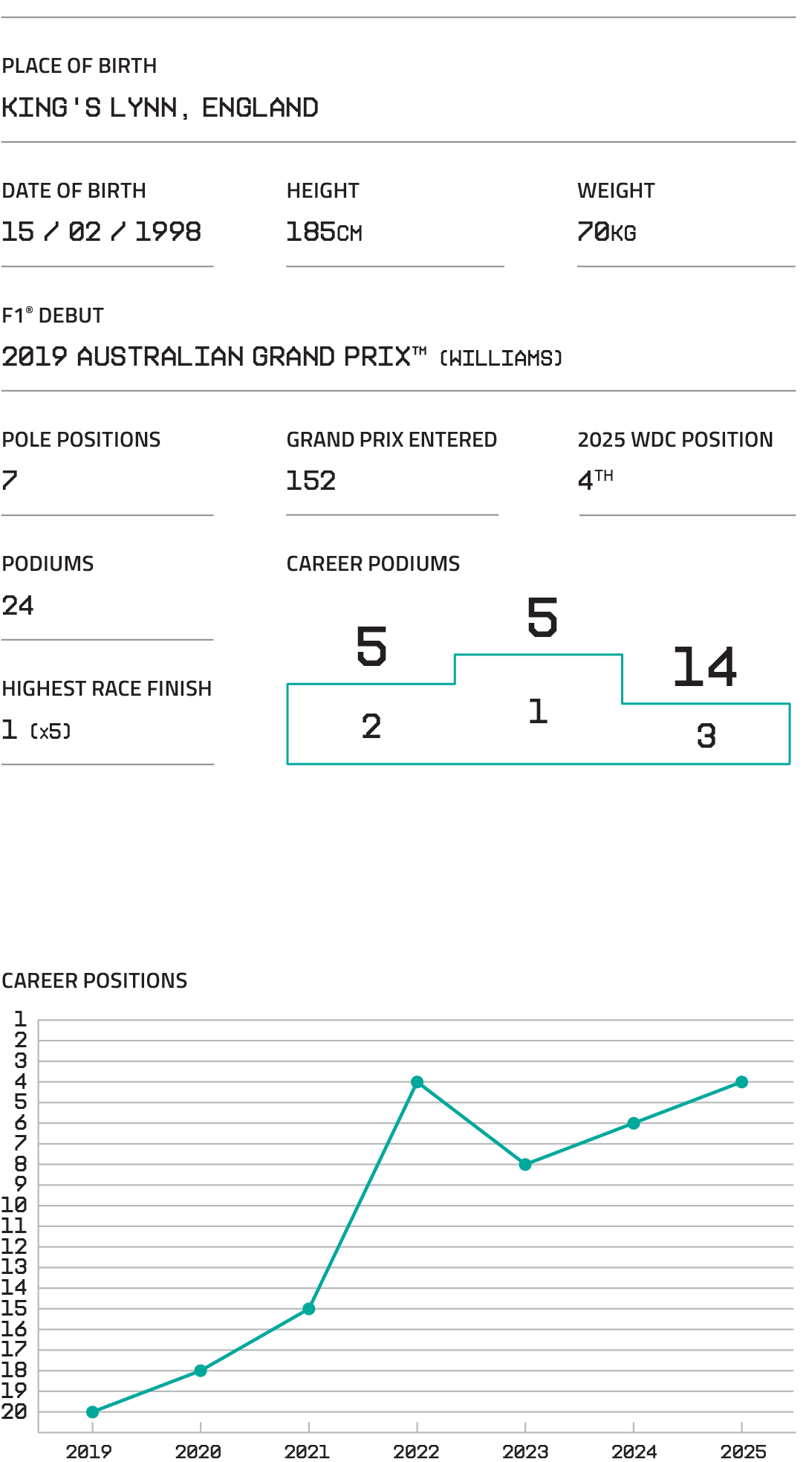
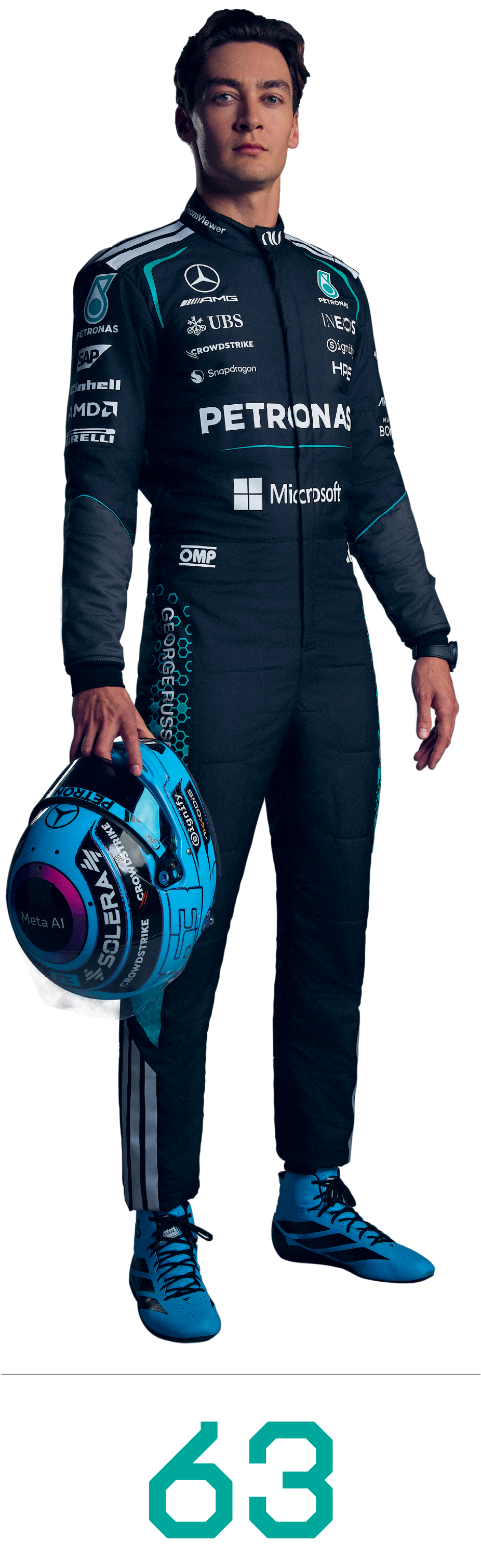

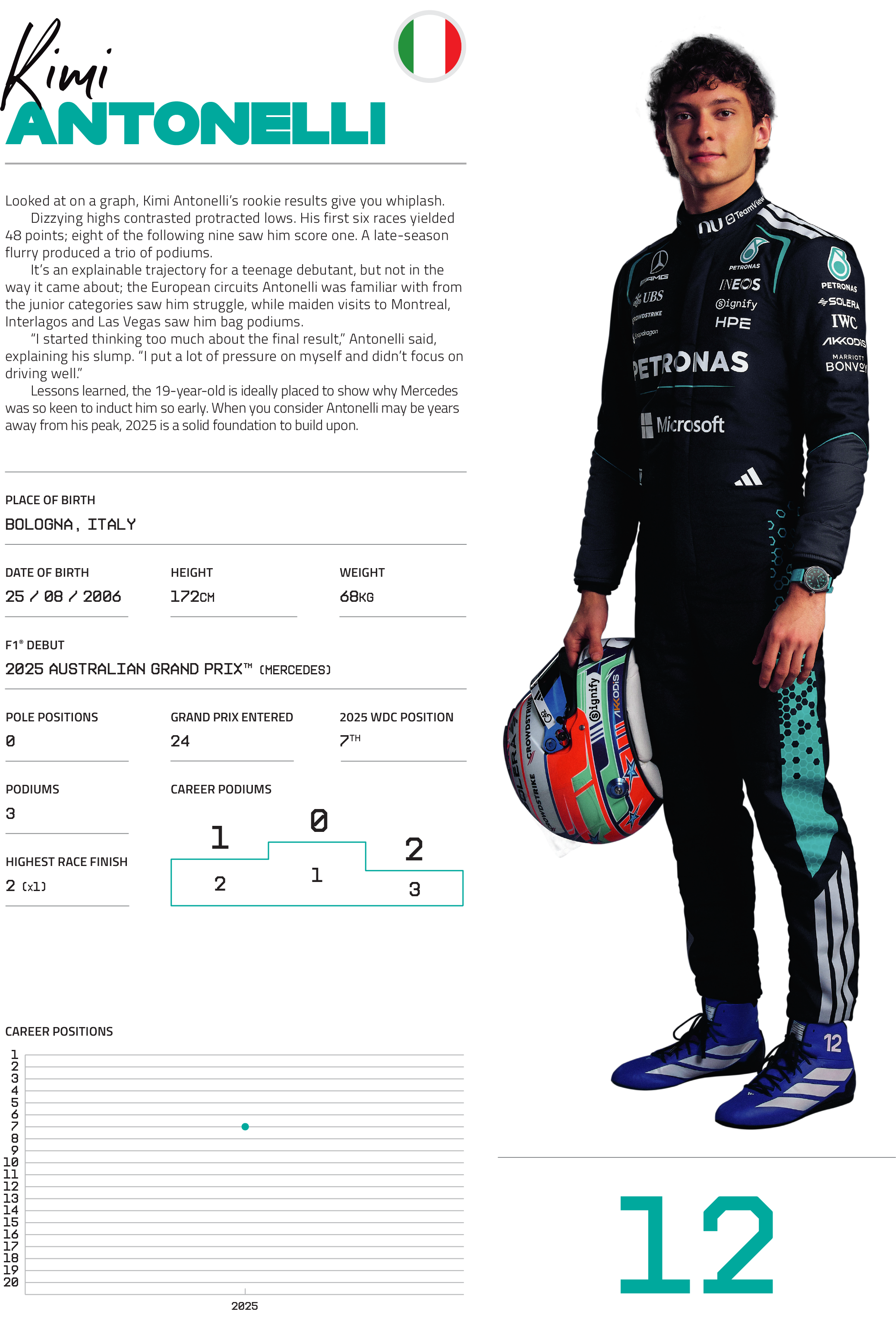
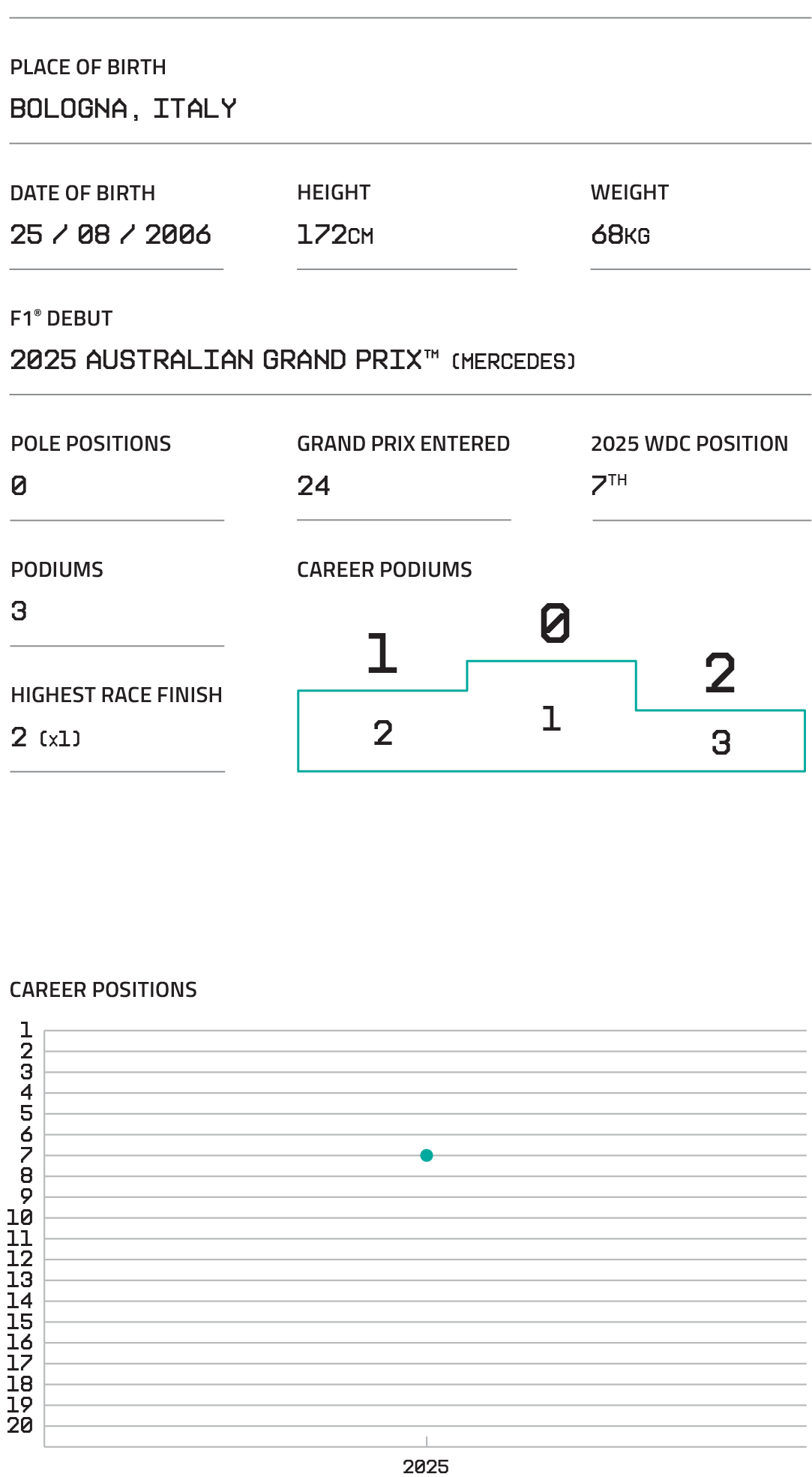
Looked at on a graph, Kimi Antonelli’s rookie results give you whiplash. Dizzying highs contrasted protracted lows. His first six races yielded 48 points; eight of the following nine saw him score one. A late-season flurry produced a trio of podiums.
It’s an explainable trajectory for a teenage debutant, but not in the way it came about; the European circuits Antonelli was familiar with from the junior categories saw him struggle, while maiden visits to Montreal, Interlagos and Las Vegas saw him bag podiums.
“I started thinking too much about the final result,” Antonelli said, explaining his slump. “I put a lot of pressure on myself and didn’t focus on driving well.”
Lessons learned, the 19-year-old is ideally placed to show why Mercedes was so keen to induct him so early. When you consider Antonelli may be years away from his peak, 2025 is a solid foundation to build upon.
CLOSE
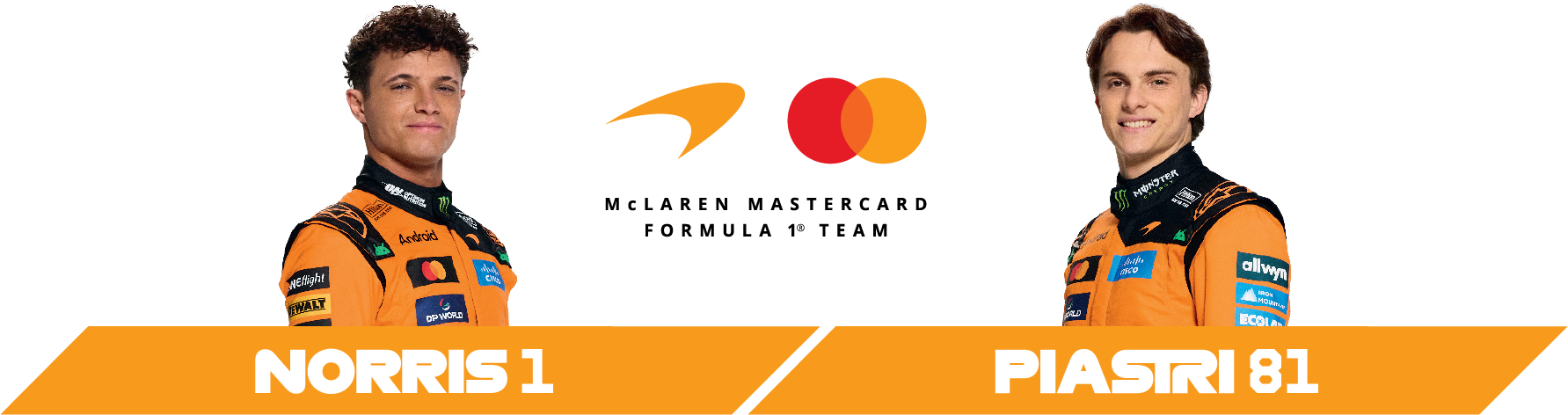
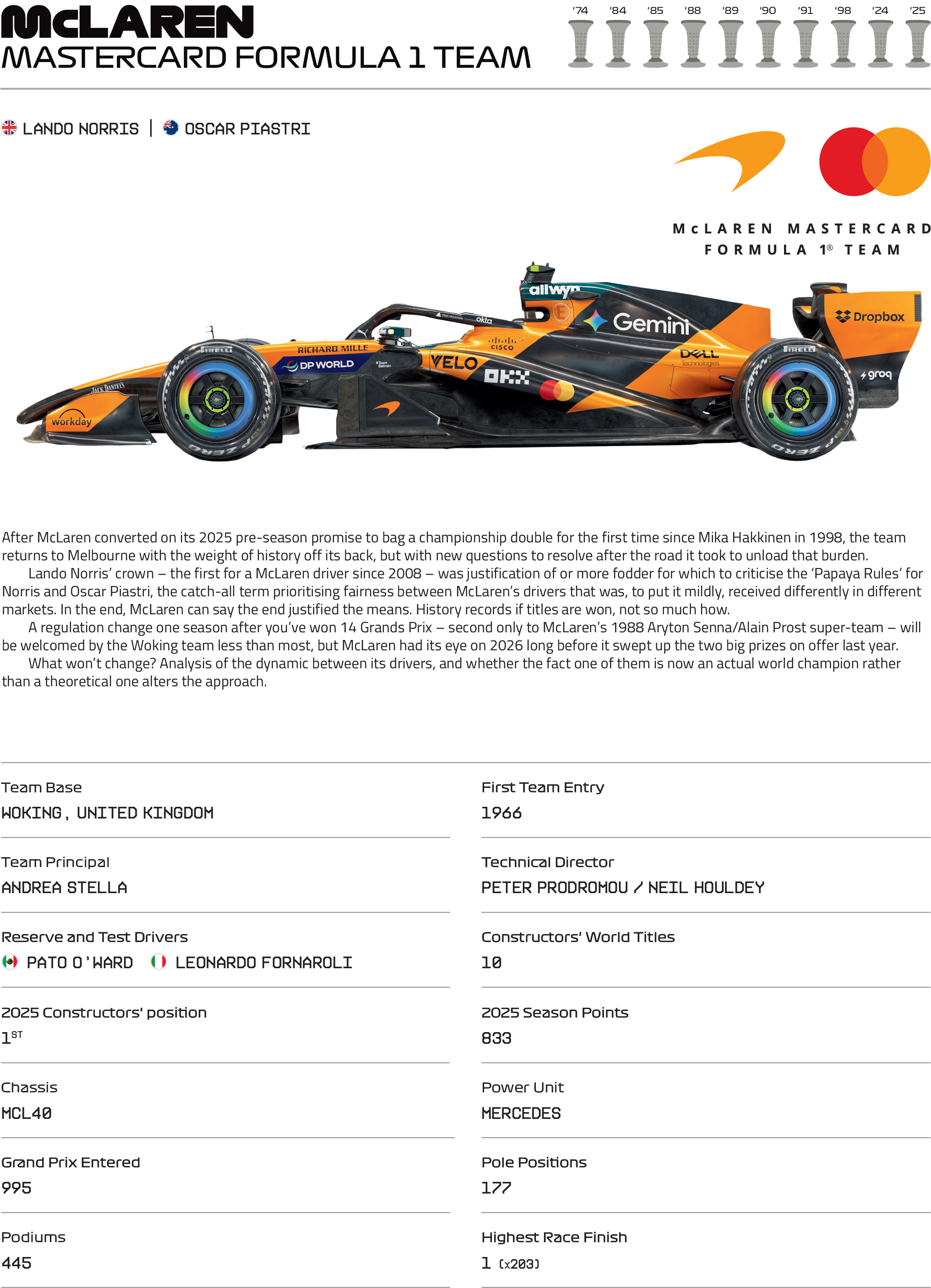
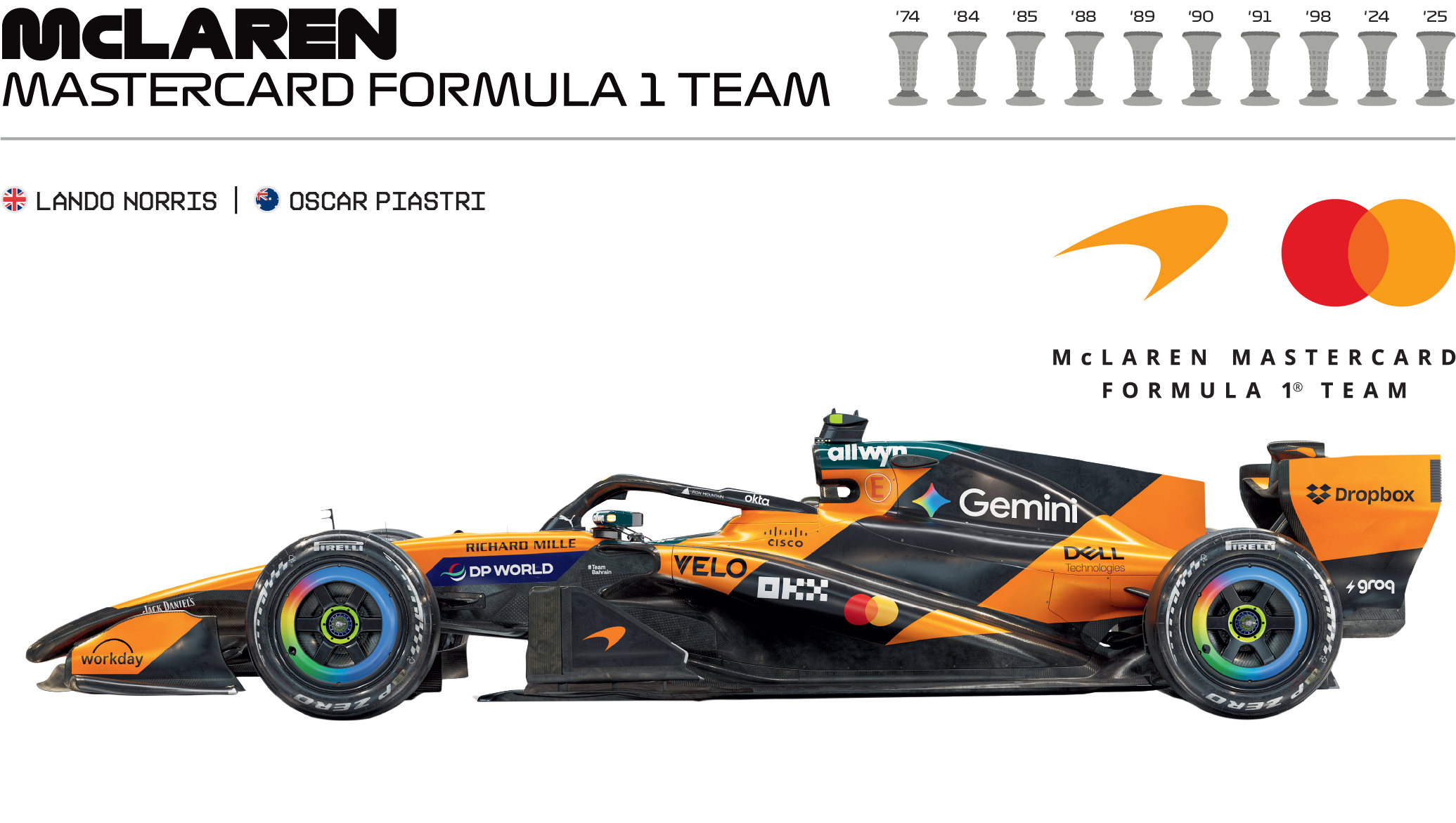
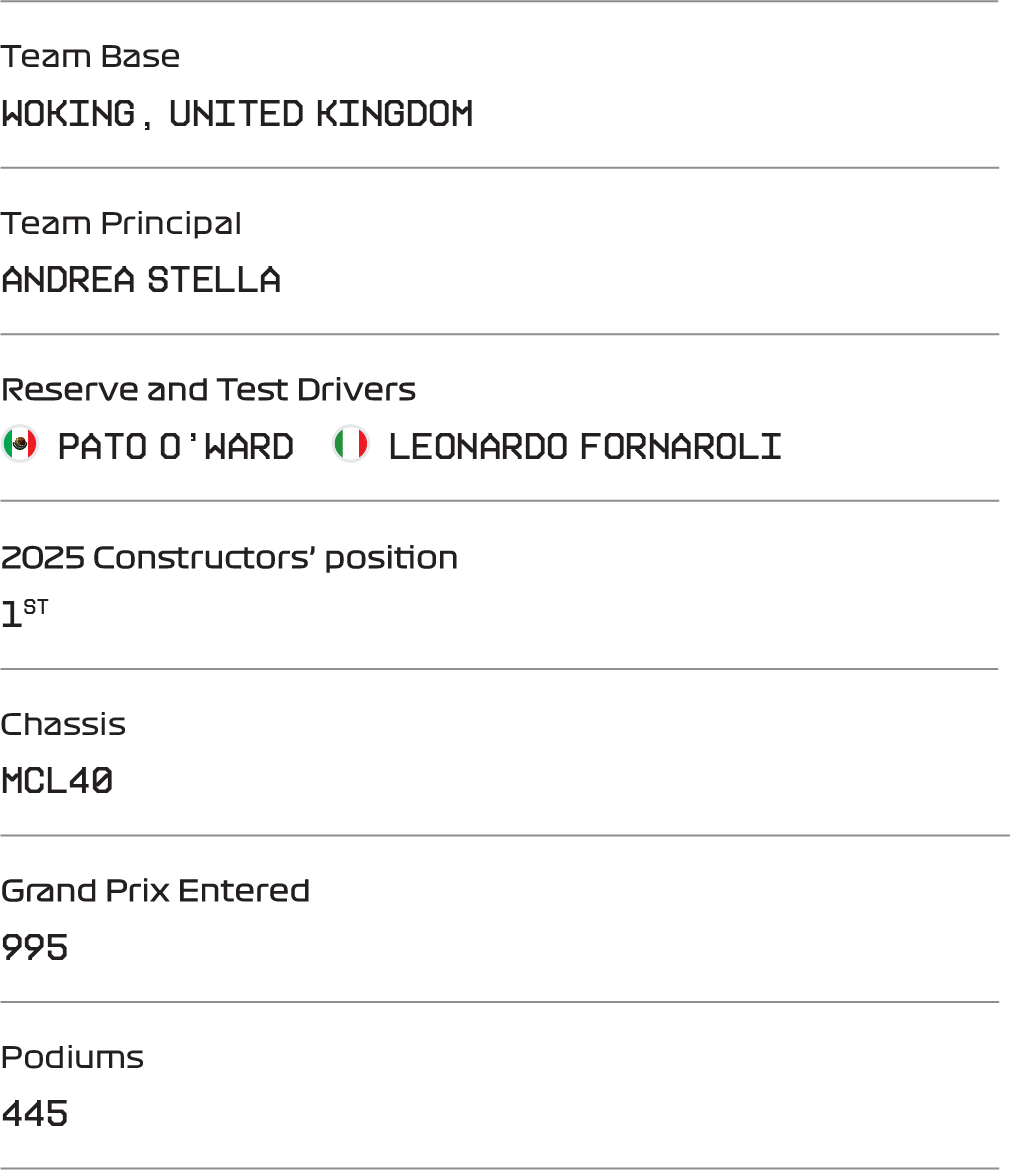
After McLaren converted on its 2025 pre-season promise to bag a championship double for the first time since Mika Hakkinen in 1998, the team returns to Melbourne with the weight of history off its back, but with new questions to resolve after the road it took to unload that burden.
Lando Norris’ crown – the first for a McLaren driver since 2008 – was justification of or more fodder for which to criticise the ‘Papaya Rules’ for Norris and Oscar Piastri, the catch-all term prioritising fairness between McLaren’s drivers that was, to put it mildly, received differently in different markets. In the end, McLaren can say the end justified the means. History records if titles are won, not so much how.
A regulation change one season after you’ve won 14 Grands Prix – second only to McLaren’s 1988 Aryton Senna/Alain Prost super-team – will be welcomed by the Woking team less than most, but McLaren had its eye on 2026 long before it swept up the two big prizes on offer last year.
What won’t change? Analysis of the dynamic between its drivers, and whether the fact one of them is now an actual world champion rather than a theoretical one alters the approach.
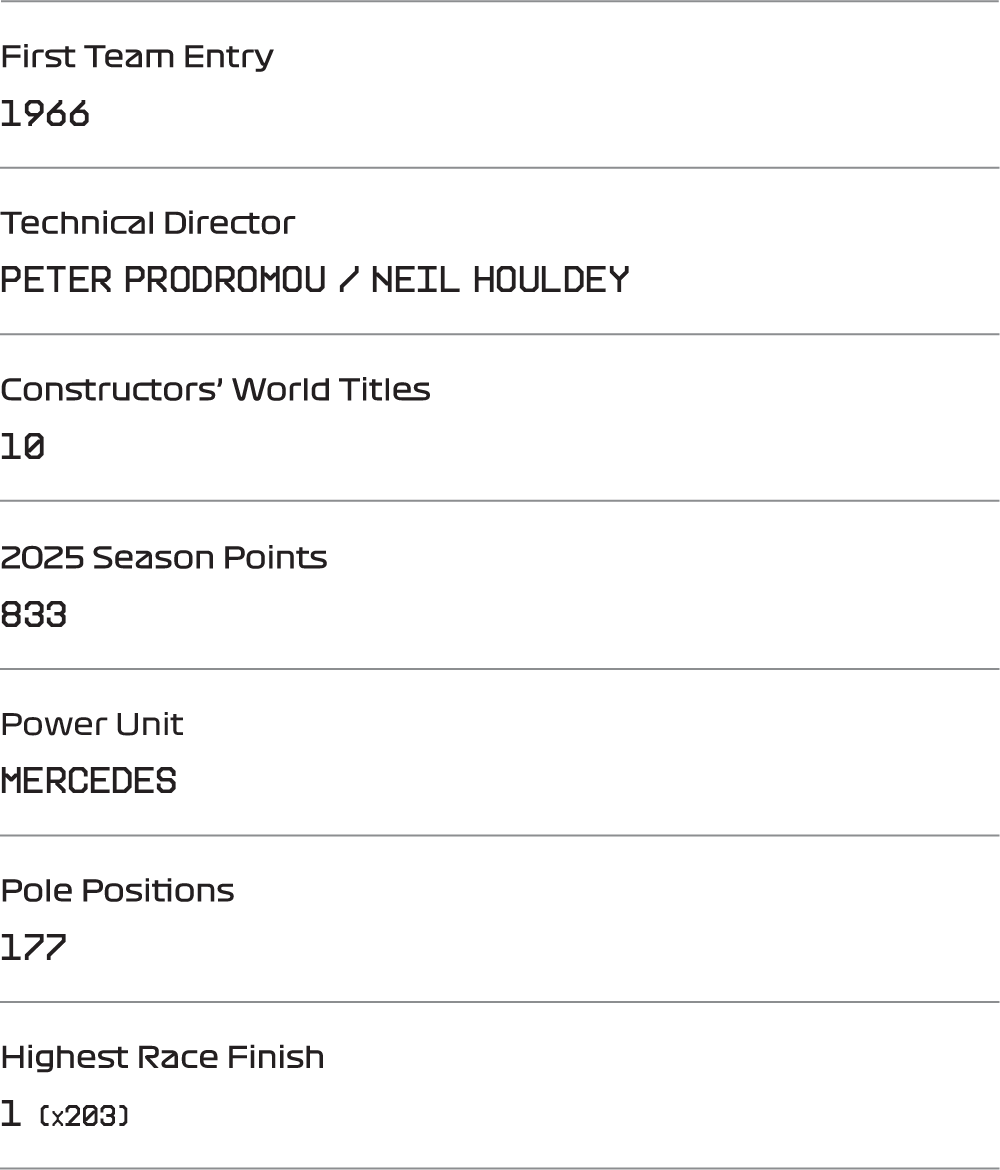

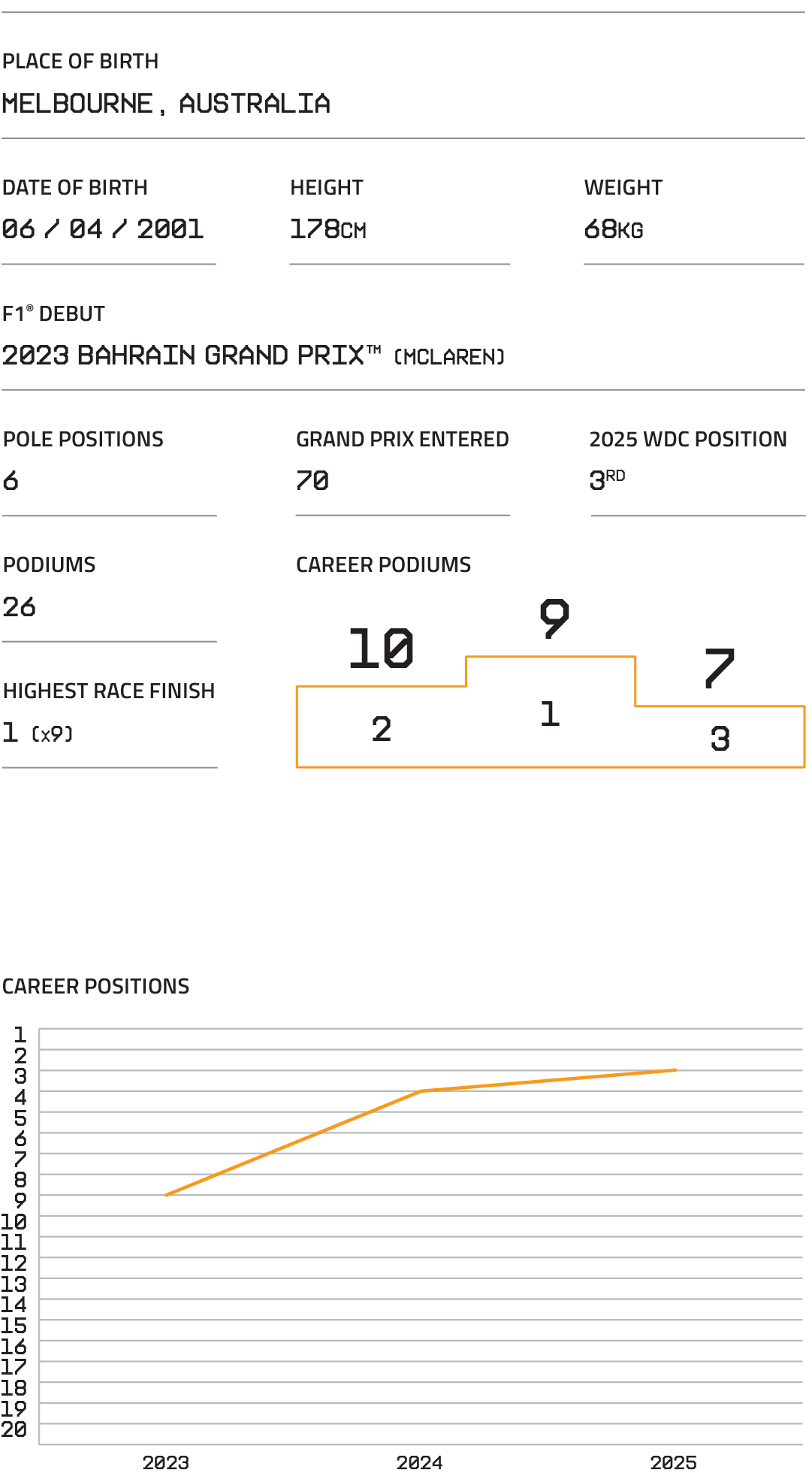
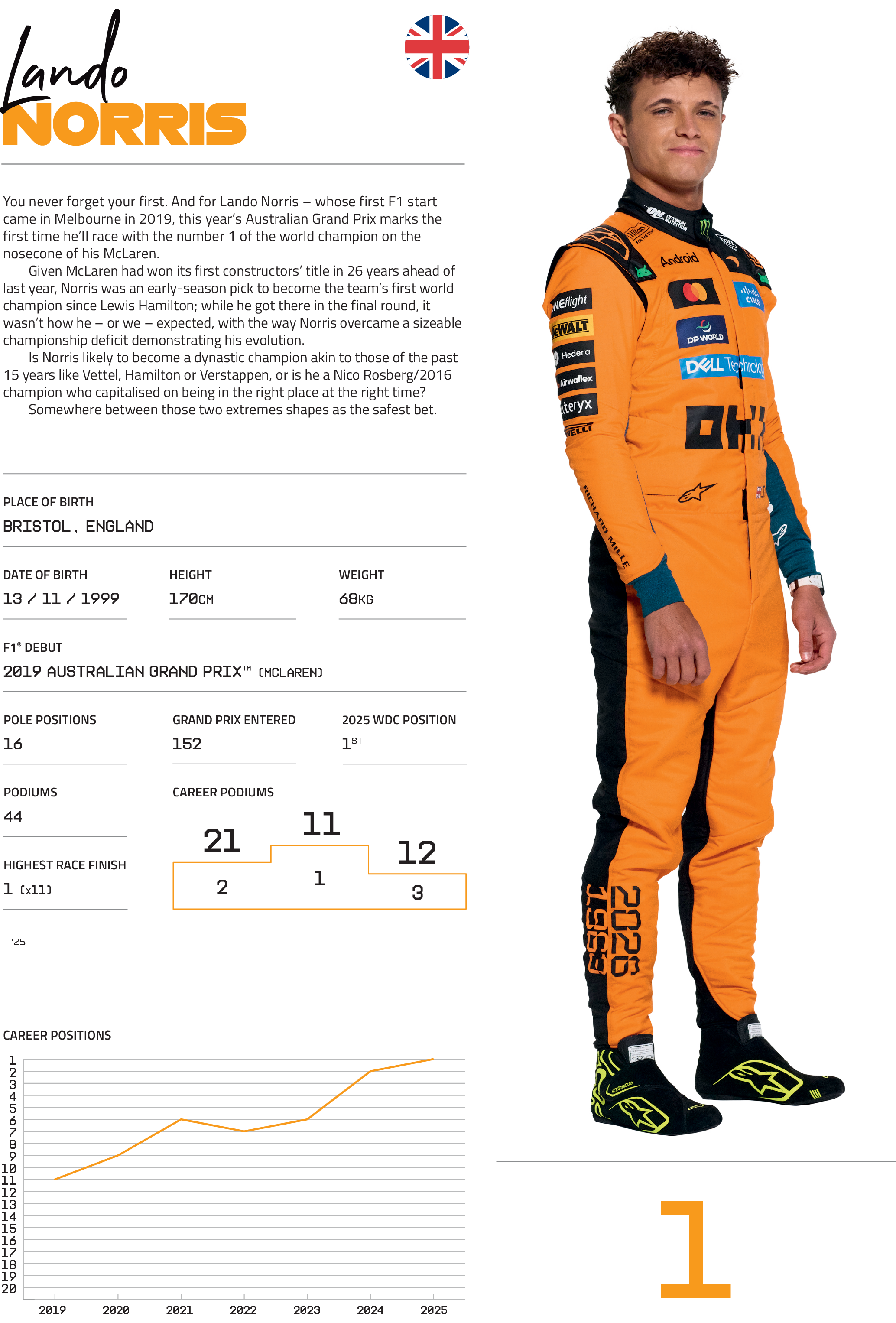
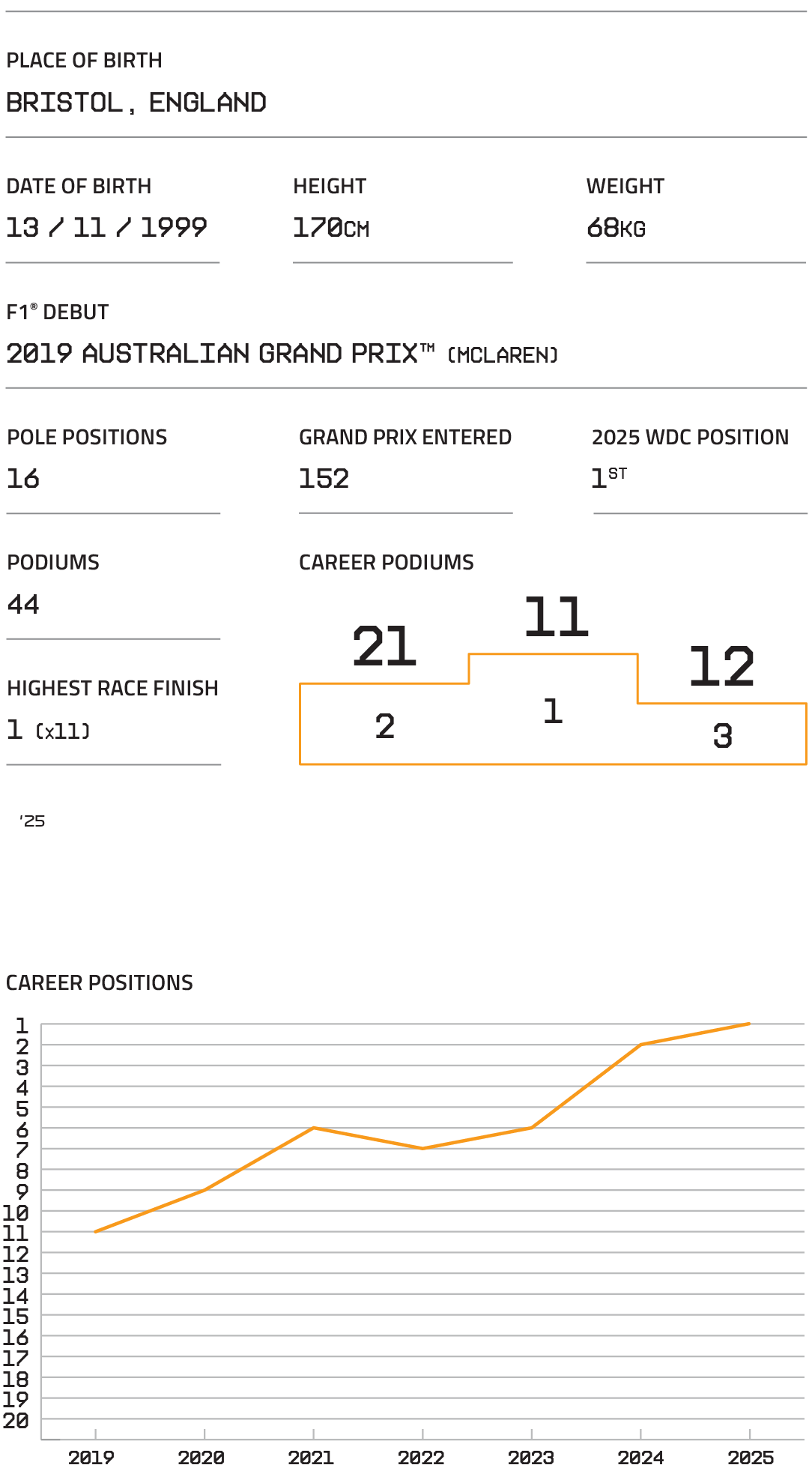
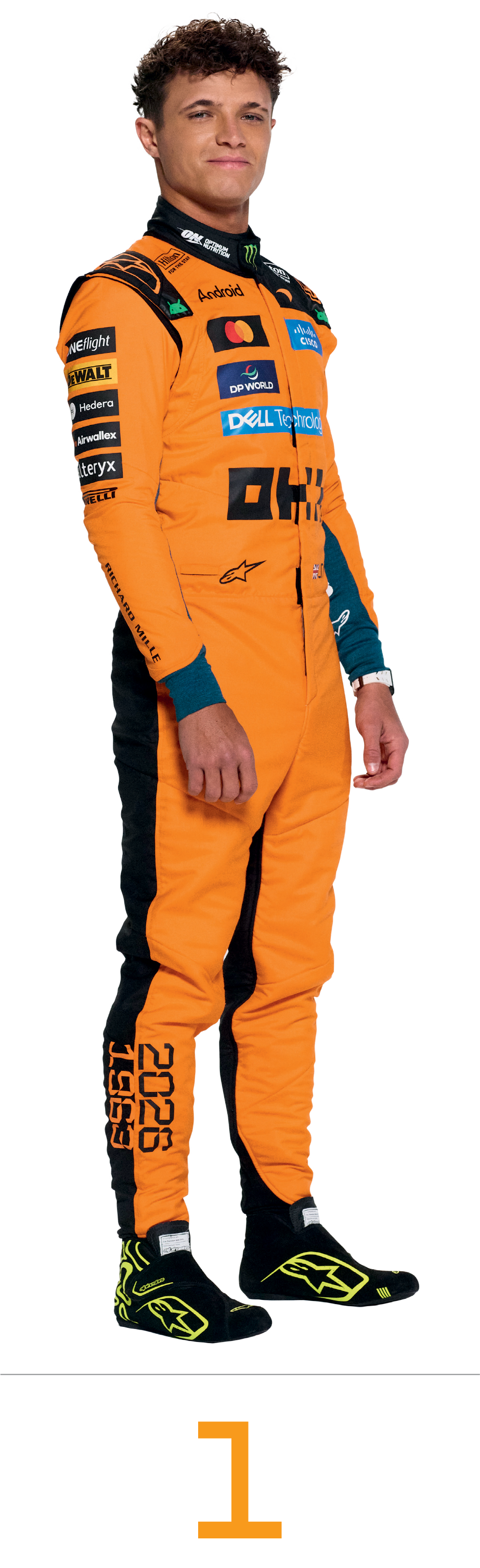
You never forget your first. And for Lando Norris – whose first F1 start came in Melbourne in 2019, this year’s Australian Grand Prix marks the first time he’ll race with the number 1 of the world champion on the nosecone of his McLaren.
Given McLaren had won its first constructors’ title in 26 years ahead of last year, Norris was an early-season pick to become the team’s first world champion since Lewis Hamilton; while he got there in the final round, it wasn’t how he – or we – expected, with the way Norris overcame a sizeable championship deficit demonstrating his evolution.
Is Norris likely to become a dynastic champion akin to those of the past 15 years like Vettel, Hamilton or Verstappen, or is he a Nico Rosberg/2016 champion who capitalised on being in the right place at the right time? Somewhere between those two extremes shapes as the safest bet.

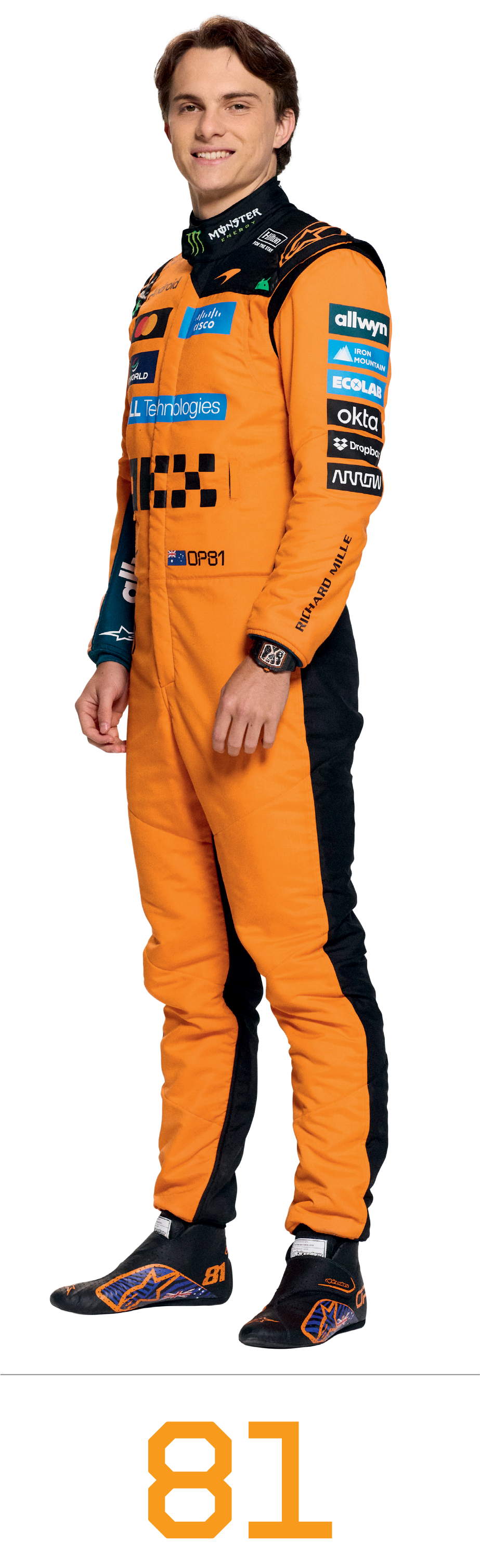
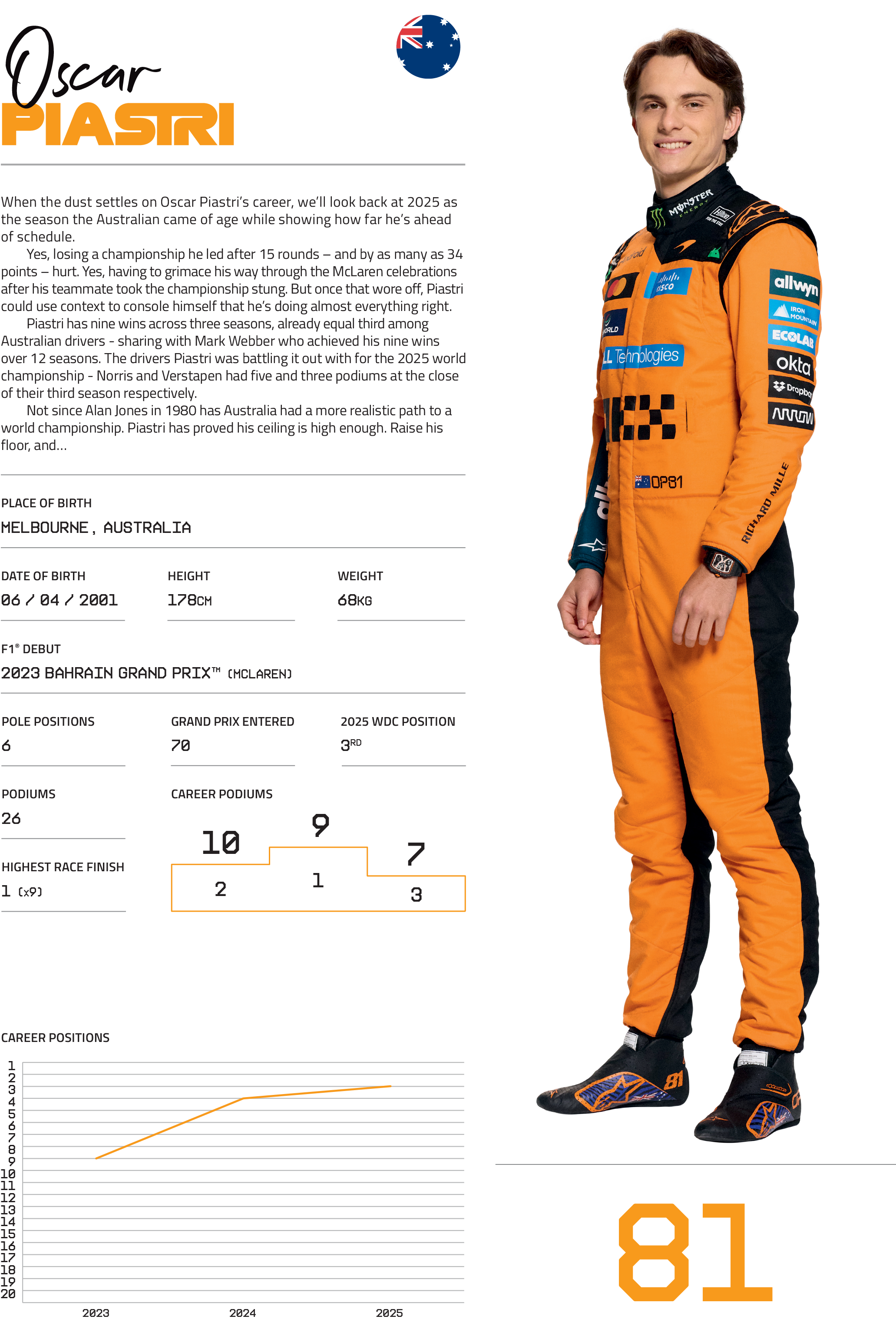
When the dust settles on Oscar Piastri’s career, we’ll look back at 2025 as the season the Australian came of age while showing how far he’s ahead
of schedule.
Yes, losing a championship he led after 15 rounds – and by as many as 34 points – hurt. Yes, having to grimace his way through the McLaren celebrations after his teammate took the championship stung. But once that wore off, Piastri could use context to console himself that he’s doing almost everything right.
Piastri has nine wins across three seasons, already equal third among Australian drivers - sharing with Mark Webber who achieved his nine wins over 12 seasons. The drivers Piastri was battling it out with for the 2025 world championship - Norris and Verstapen had five and three podiums at the close of their third season respectively.
Not since Alan Jones in 1980 has Australia had a more realistic path to a world championship. Piastri has proved his ceiling is high enough. Raise his floor, and…